
Pests
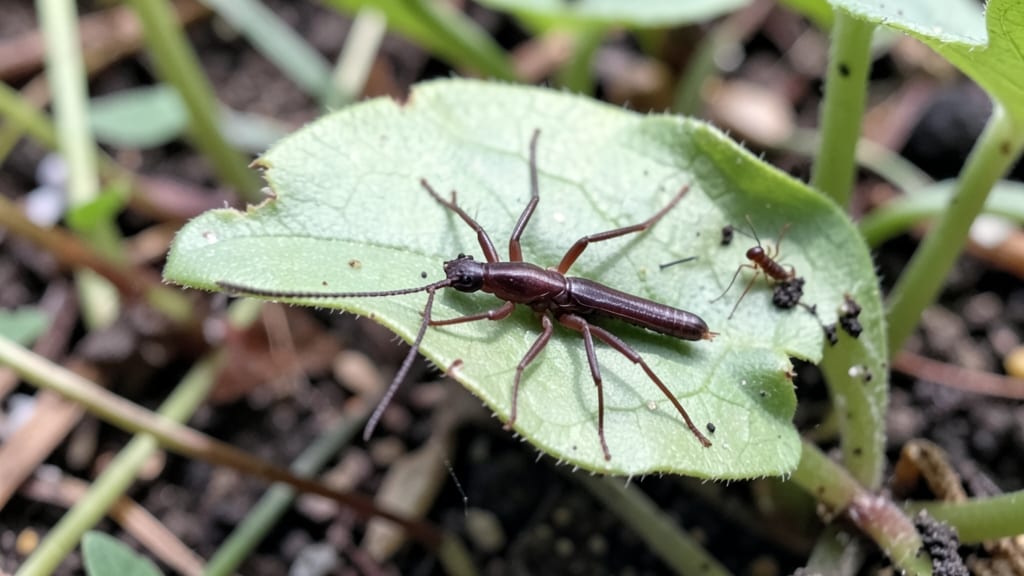
My garden earwig infestation turned from a nuisance to a manageable problem once I stopped using the wrong traps. 🌱 These flattened, silver-bodied critters hide under boards and rocks by day, then munch on tender foliage at night—until you catch them with the right setup.
The biggest mistake? Using beer traps that attract beneficial insects too. Instead, I switched to rolled-up newspaper traps soaked in a little beer—earwigs crawl in but can’t climb out. A simple cardboard collar around pots keeps them off seedlings, and removing hiding spots like mulch piles cuts their numbers fast.
Within a week, you’ll see fewer ragged leaves and more healthy growth. The key is consistency: check traps daily, keep the garden tidy, and avoid overwatering, which they love. This method works even when they’re bad, without harming bees or ladybugs.
Works in vegetable gardens, flower beds, and even container plants. The secret is patience—earwigs don’t vanish overnight, but they’ll be gone for good if you stay persistent. Let’s get them out of your garden for good.
The Hidden Triggers Behind Earwigs
Earwigs may seem like a minor nuisance, but their sudden appearance in your garden is rarely random. These nocturnal pests thrive under specific conditions, often linked to environmental factors, plant choices, or even human habits.
Understanding why they invade helps you disrupt their lifecycle before they become a full-blown problem. Let’s break down the key reasons earwigs show up uninvited—and what you can do about it.
🌱 Moisture-Loving Habitats: Their Ultimate Safehouse
Earwigs adore damp, dark spaces where humidity lingers. Their exoskeletons are delicate, and they lose moisture quickly in dry conditions. Here’s how your garden might be unintentionally creating their dream environment:
- Overwatered soil or mulch: Earwigs thrive in soil with high moisture content, especially in thick mulch layers that retain water. If your garden stays soggy for days after rain or irrigation, you’re essentially rolling out the welcome mat. Pro tip: Aim for 1 inch of water per week (including rainfall) and avoid watering in the evening to reduce lingering dampness. 💡
- Poor drainage: Low spots, clay-heavy soil, or compacted areas trap water, creating ideal earwig breeding grounds. These pests will gather in these zones to feed on decaying organic matter—like rotting leaves or plant debris—while staying hidden during the day. Fix it: Amend soil with compost or sand to improve aeration and drainage. 🌡️
- Dewy or humid microclimates: Earwigs are most active at night, when dew forms. If your garden has dense foliage (like hostas, ferns, or ivy) that traps moisture, earwigs will use it as a daytime shelter. Action step: Prune plants to improve airflow and reduce humidity hotspots. ✨
🍃 Plant Preferences: Their Favorite Buffet
Earwigs aren’t picky eaters, but they do have preferences. They target plants that offer both food and shelter, often focusing on those with:
| Plant Type | Why Earwigs Love It | How to Adjust |
|---|---|---|
| Tender, young plants | Earwigs chew leaves and flowers, especially on delicate plants like lettuce, basil, or roses. They also feed on pollen and nectar. | Use row covers for seedlings or opt for hardier varieties (e.g., kale over lettuce). |
| Deciduous trees and shrubs | They hide under loose bark or fallen leaves, emerging at night to feast on decaying matter. | Rake up leaf litter regularly and apply wood chips (not mulch) to deter them. |
| Vegetables with thick foliage | Crops like peas, beans, and corn provide both shelter and a food source (they eat seeds and young pods). | Harvest crops promptly and stake plants to keep foliage off the ground. |
Pro tip: Earwigs avoid aromatic herbs like thyme, rosemary, and mint. Plant these near vulnerable areas to create a natural barrier. 🌿
🏡 Human Habits: How We Accidentally Attract Them
Sometimes, earwigs hitch a ride or take advantage of changes we make to our gardens. Here’s how:
- Firewood or compost piles: Stacked firewood or poorly managed compost heaps become earwig hotels, offering shelter and food. These pests will migrate from these areas into your garden when conditions are right. Solution: Store firewood elevated and away from plants, and turn compost frequently to keep temps above 140°F (which kills earwigs). 🔥
- Landscaping debris: Piles of bricks, boards, or rocks create dark, moist hiding spots. Even a single flat stone can harbor dozens of earwigs. Quick fix: Remove debris or flip stones to expose them to sunlight. ⏰
- Nighttime lighting: Earwigs are attracted to artificial lights at night, where they get disoriented and wander into gardens. Outdoor lights near entry points (like patios or doors) can funnel them inside or toward plants. Try this: Switch to yellow or red bug lights, which are less appealing to pests. 🌙
By addressing these triggers—moisture, plant choices, and unintentional shelters—you can make your garden less inviting to earwigs. The key is disruption: remove their comforts, and they’ll seek greener (or drier) pastures. Stay tuned for natural trapping methods that turn the tables on these pests! 🎯
Natural Ways To Outsmart Earwigs
Earwigs may be small, but their presence can feel like a full-blown garden takeover. The good news? You don’t need harsh chemicals to send them packing. With the right strategies, you can eliminate earwigs naturally while keeping your plants—and your conscience—happy.
Below, we’ll tackle the most common causes of earwig infestations and match them with simple, effective fixes. Plus, we’ll share prevention tips to keep these critters from crashing your garden party again.
🌱 Cause: Moisture-Loving Earwigs Hiding in Damp Soil
Earwigs thrive in damp, shaded areas where humidity is high. If your garden has soggy soil, mulch piles, or poorly draining spots, you’ve essentially rolled out the welcome mat.
🔥 Fix: Dry Out Their Hangouts
- Improve drainage: Amend heavy clay soil with compost or sand to help water drain faster. Earwigs avoid dry conditions, so well-draining soil is their kryptonite.
- Reduce mulch thickness: Pile mulch no deeper than 2–3 inches. Thicker layers trap moisture and attract earwigs. Opt for coarse mulch (like pine straw or wood chips) instead of fine, moisture-retaining options.
- Water in the morning: Wet leaves and soil at night create the perfect earwig buffet. Switch to early-day watering so foliage dries quickly.
💡 Pro Tip: If you have pots or containers, elevate them off the ground to prevent moisture buildup at the base.
🍳 Cause: Earwigs Feasting on Your Plants
These pests munch on young seedlings, flowers, and even fruits. If you’re noticing ragged leaves or chewed petals, earwigs are likely the culprits.
👨🍳 Fix: Set Traps & Confuse Them
- DIY beer traps: Bury a shallow container (like a plastic cup) filled with beer or wine up to its rim. Earwigs are drawn to the yeast and drown. Place traps near infested areas and check daily.
- Roll-up traps: Wet a corrugated cardboard strip or newspaper and roll it into a tube. Secure it with a rubber band. Earwigs crawl inside and can’t escape—dispose of it in the morning.
- Reflective surfaces: Earwigs dislike bright light. Place aluminum foil or CDs near plants to reflect sunlight and deter them.
✨ Bonus: Plant garlic, mint, or tansy nearby—earwigs hate the strong scents!
🏡 Cause: Earwigs Invading Your Home
If you’ve spotted earwigs indoors (especially in bathrooms, basements, or near windows), they’re likely hitching a ride from your garden. Sealing entry points is key.
🔪 Fix: Block Their Entry & Dry Up Indoors
- Caulk gaps: Seal cracks in windows, doors, and foundation with silicone caulk. Pay extra attention to utility lines (pipes, wires) where earwigs squeeze in.
- Reduce indoor humidity: Use a dehumidifier or ventilating fans in damp areas like bathrooms. Earwigs avoid dry spaces.
- Vacuum regularly: Check window sills, under sinks, and behind furniture for earwigs. A quick vacuum seals the deal.
🌡️ Pro Tip: Place diatomaceous earth (food-grade) along baseboards or entry points. It’s non-toxic but deadly to earwigs by dehydrating them.
🌿 Prevention: Keep Earwigs From Coming Back
An ounce of prevention is worth a pound of earwig traps. Once you’ve kicked them out, follow these steps to keep your garden earwig-free:
| Action | How To Do It |
|---|---|
| Prune plants | Trim dense foliage to improve airflow and reduce humidity. Earwigs love hiding in thick, shady spots. |
| Use row covers | Cover seedlings and young plants with floating row covers to block earwigs while allowing sunlight and water through. |
| Encourage predators | Attract birds, lizards, and beneficial insects like ground beetles, which eat earwigs. Add a birdbath or native plants to your garden. |
| Rotate crops | Avoid planting the same crops in the same spot yearly. Earwigs return to familiar feeding grounds. |
🎯 Final Thought: Earwigs are more of a nuisance than a serious threat, but a little proactive care goes a long way. Combine traps, habitat changes, and prevention, and you’ll enjoy a garden that’s earwig-free and thriving.
Frequently asked questions
Why do earwigs suddenly appear in my garden?
Earwigs thrive in damp, dark environments created by overwatered soil, thick mulch, or poor drainage. They’re also drawn to tender plants like lettuce, basil, and roses for food. Check for moisture buildup in mulch or shaded areas—these are their favorite hiding spots and feeding grounds.
Are beer traps effective for earwigs, or do they attract other pests?
Beer traps work, but they can also lure beneficial insects like bees or beetles. For a more targeted solution, try rolled-up newspaper soaked in beer—earwigs crawl in but can’t escape. Place these near infested areas for best results.
How can I prevent earwigs from returning after I’ve eliminated them?
Focus on reducing moisture by watering in the morning, thinning mulch to 2-3 inches, and improving airflow with pruning. Plant aromatic herbs like thyme or mint around vulnerable plants—their strong scents deter earwigs naturally.
Can earwigs harm my plants beyond chewing leaves?
While they mostly chew foliage, earwigs can damage young seedlings and flowers by feeding on tender growth. They also spread plant diseases by carrying pathogens on their bodies. Protect seedlings with row covers to keep them safe.
Is diatomaceous earth safe to use around edible plants?
Food-grade diatomaceous earth is non-toxic but dehydrates pests like earwigs. Apply it lightly around plant bases or entry points—avoid direct contact with leaves to prevent plant irritation. Reapply after rain for best results.