Picking
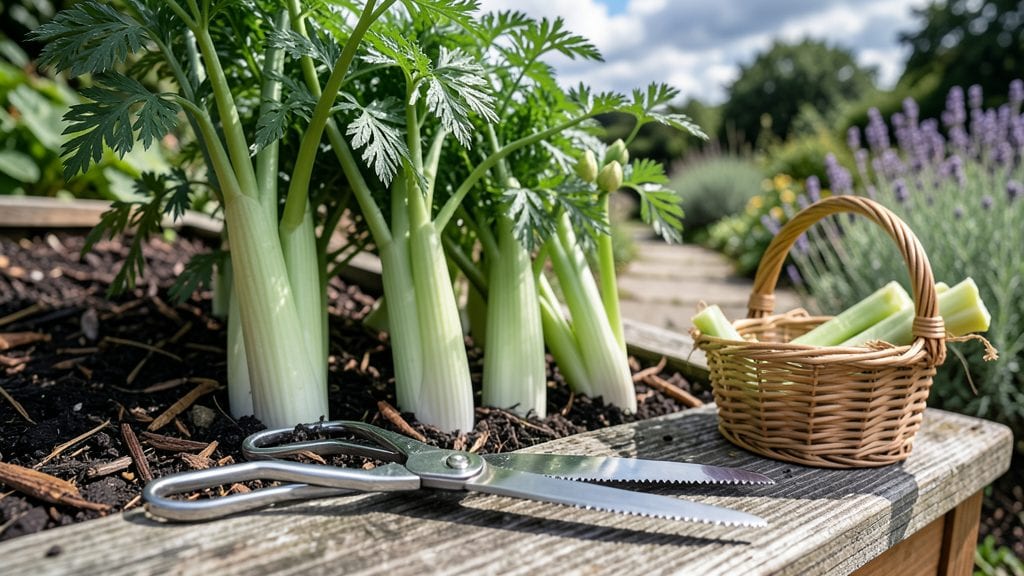
Harvesting garden celery at the right time transforms your 🥬 patch into a crisp, flavorful treasure trove.
Picture this: you’ve nurtured your celery for months, only to pull a stalk that’s tough as a boot. That’s the difference between perfect timing and disappointment—and it happens more often than you’d think.
The secret lies in watching for thick, tightly clustered stalks with vibrant leaves, a sign your celery is ready to shine in soups, salads, or snacks.
In USDA Zone 6a, your best window is late spring (May-June) or fall (October-November), when stalks hit 12-18 inches tall. But don’t wait too long—over-mature celery splits or turns bitter, ruining your harvest before it even hits the kitchen.
Below, I’ll walk you through the exact cues to pick, how to cut without damaging the plant, and storage tricks to keep your celery fresh for weeks. Ready to turn your garden into a gourmet goldmine?


When to harvest garden celery for maximum crispness and flavor
Harvesting garden celery at the right moment transforms your homegrown crop from tough and bitter to crisp, sweet, and tender. Unlike many vegetables, celery doesn’t soften after reaching maturity—it quickly becomes woody and unpalatable.
The key is recognizing visual maturity cues and understanding how celery varieties differ in harvest timing.
Self-blanching celery varieties, like Utah or Golden Self-Blanching, develop their own shade by forming tight leaf layers that block sunlight from the stalks. Non-blanching types, such as Tall Utah or Winter Pasca, rely on gardeners to blanch them manually by tying outer leaves together before harvest.
Both types require precise timing to avoid over-maturity.
| Celery Type | Maturity Days | Harvest Height | Blanching Needed? | Seasonal Window |
|---|---|---|---|---|
| Self-Blanching (e.g., Utah) | 120-150 days | 12-18 inches | No | Spring or Fall |
| Non-Blanching (e.g., Tall Utah) | 90-120 days | 10-14 inches | Yes (tie leaves) | Summer or Early Fall |
| Golden Self-Blanching | 100-130 days | 10-16 inches | No | Spring or Fall |
| Winter Pasca | 110-140 days | 14-20 inches | Yes (tie leaves) | Fall or Winter |
For self-blanching varieties, focus on the stalk thickness and leaf density. The ideal harvest time occurs when stalks reach 12-18 inches tall and form a tight, compact cluster. At this stage, the outer leaves should naturally shade the inner stalks, creating that prized pale, crisp center.
If you wait too long, the stalks will split or develop a hollow core, ruining their texture.
Non-blanching celery requires manual blanching 2-3 weeks before harvest. Tie the outer leaves together with twine or a rubber band to block sunlight, forcing the inner stalks to remain tender.
After blanching, harvest when stalks reach 10-14 inches and feel firm when squeezed. If the stalks are thin or sparse, they’re not ready yet—give them another week or two.
Seasonal timing also plays a critical role. In spring-planted celery, aim to harvest between May and June when temperatures are cool (60-70°F). For fall crops, harvest in October or November before the first frost.
Avoid harvesting during hot summer months (above 80°F), as celery becomes bolty or bitter under heat stress.
One of my favorite tricks to extend the harvest season is succession planting. Sow new seeds every 2-3 weeks from early spring to mid-summer. This ensures a continuous supply of fresh celery instead of a single overwhelming harvest.
Just be sure to space plants 12-18 inches apart to prevent overcrowding, which leads to stunted growth and poor flavor.
When checking for readiness, run your thumb along the stalk’s surface. Ready celery should feel smooth and firm, not rough or fibrous. The leaves should be deep green and glossy, not yellowing or wilted.
If you see tiny white flowers forming, it’s a sign the plant is bolting—time to harvest immediately or the flavor will turn bitter.
For self-blanching varieties, you can harvest the outer stalks first to encourage regrowth. Simply cut the stalks at the base with a sharp knife or pruning shears, leaving the inner core intact.
The plant may produce a second harvest in 4-6 weeks. Non-blanching types, however, are typically one-and-done—harvest the entire plant at once for the best flavor.
Pro tip: If your celery stalks start to split or hollow out, it’s a clear sign of over-maturity. This often happens in hot weather or when plants are over-fertilized with nitrogen. To prevent this, mulch heavily to keep soil cool and
Step-by-step guide: how to properly harvest celery without damaging the plant
Harvesting celery at the right time ensures crisp, flavorful stalks—but cutting too early or too late can ruin your crop. The key is knowing when to harvest and how to cut without harming the plant.
Whether you're dealing with self-blanching varieties or traditional types, proper technique maximizes yield and encourages regrowth for a second harvest.
Before grabbing your pruners, gather the right tools: a sharp knife or pruning shears, a bucket of water for immediate post-harvest soaking, and a container for storage.
Avoid dull tools, as they crush stems and invite rot. Self-blanching celery, like 'Tango' or 'Utah', often needs special care since their stalks naturally blanch without hilling.
Step-by-Step Celery Harvest Guide
- Step 1: Choose the right harvest time. Wait until stalks reach 12-18 inches tall with tightly packed, dark green leaves. Over-mature celery becomes woody and bitter.
- Step 2: For self-blanching varieties, cut stalks at the base of the plant using a sharp knife. Avoid pulling stalks, which can uproot the plant.
- Step 3: For non-blanching celery, hill soil around the base 3-4 weeks before harvest to blanch stalks. Cut stalks 1 inch above soil level for regrowth.
- Step 4: Immediately soak harvested stalks in cold water for 30 minutes to revive crispness. Trim any yellow or wilted leaves before storage.
- Step 5: Store harvested celery in a plastic bag with a damp paper towel in the fridge. For regrowth, water the plant deeply after harvest and fertilize lightly.
One of the biggest mistakes gardeners make is harvesting celery too aggressively. Never cut more than one-third of the stalks at once, or you risk stunting the plant. Self-blanching varieties, like 'Golden Self-Blanching', are more forgiving, but even they need time to recover.
If you're aiming for a second harvest, leave the outer stalks intact and focus on the inner ones.
After harvesting, inspect the plant for signs of stress like yellowing leaves or wilted stalks. These could indicate underwatering or nutrient deficiency. To encourage regrowth, apply a balanced fertilizer (like 10-10-10) and maintain consistent moisture.
Mulch around the base to retain soil moisture and protect roots from heat stress.
If your celery plant looks healthy but isn’t producing new stalks, it may need more sunlight. Celery thrives in full sun to partial shade, but insufficient light leads to sparse growth.
Consider transplanting to a sunnier spot if your garden is shaded. With proper care, a well-maintained celery plant can yield two harvests per season!
For storage, wrap harvested celery in a damp paper towel and place it in a sealed plastic bag in the fridge. This method keeps celery crisp for up to 2 weeks.
To extend freshness further, blanch and freeze stalks for long-term use. Just avoid washing before storage—moisture speeds up spoilage.