
Tools
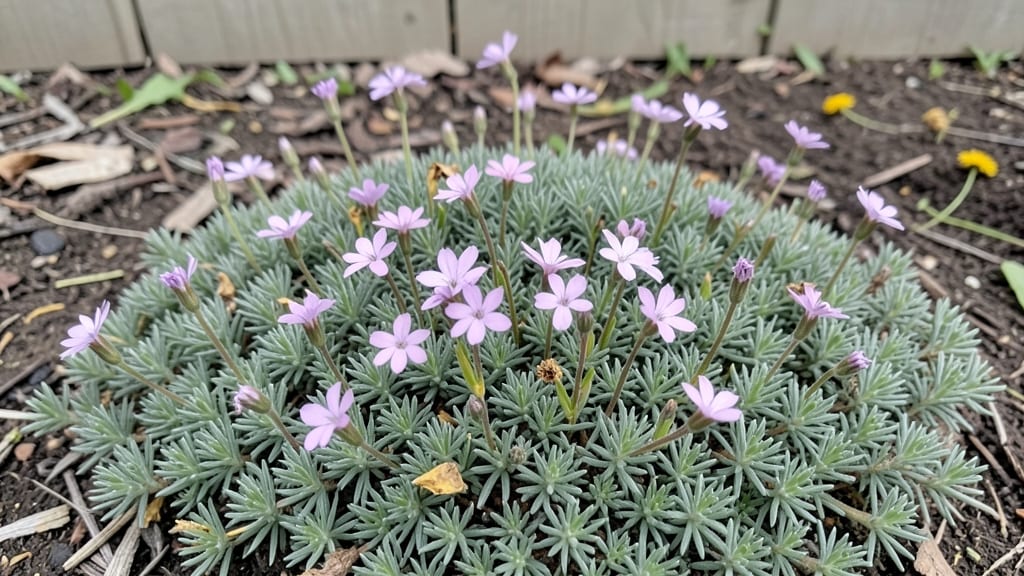
Dwarf garden phlox is the secret weapon for gardeners who want neighbor-jealousy levels of blooms without the fuss. 🌿 I planted mine last spring in a shady corner, and they’ve been putting on a show all summer—compact, fragrant, and impossible to kill.
The key is matching their size to the right spot: these little powerhouses thrive in borders, containers, or even between stepping stones.
These phlox love well-draining soil that’s rich in organic matter—think compost mixed into your garden beds or potting mix for containers. They’re flexible with sunlight too, handling both partial shade and morning sun, which makes them perfect for tricky spots where other plants struggle.
Once established, they’re drought-tolerant enough to handle occasional dry spells, though consistent moisture keeps the blooms coming.
By late summer, you’ll be snipping stems for bouquets or admiring their clusters of pink, purple, or white flowers that butterflies can’t resist. The best part? Minimal pruning—just a quick cleanup in early spring and a light trim after blooming to keep them tidy.
Pair them with catmint or lavender for a low-maintenance, pollinator-friendly combo that looks stunning all season.
Whether you’re filling gaps in a border or adding height to a container, dwarf phlox deliver foolproof results with almost no effort. Here’s how to get started—and keep them thriving for years.
📚 In This Guide
- What you need
- Instructions
- Tips and common mistakes
- Wrapping up and next steps
What you need
- ● Dwarf garden phlox plants: Choose compact varieties like Phlox subulata (moss phlox) or Phlox paniculata 'Lipstick' (dwarf cultivars). Buy 3–5 plants for a full, colorful display.
- ● Well-draining potting mix: 2–3 gallons of a blend with 50% peat moss or coconut coir and 50% perlite or coarse sand to prevent root rot.
- ● Containers or garden bed: Containers: 5–7-inch pots with drainage holes (one per plant). Opt for terracotta or fabric pots for better airflow.
- ● Garden beds: A sunny or partially shaded spot with loamy, well-amended soil (pH 6.0–7.0). Amend clay soil with compost.
- ● Slow-release fertilizer: 10–10–10 NPK or a rose/flower-specific blend (apply 1 tbsp per plant at planting).
- ● Mulch: 2–3 inches of pine bark fines or shredded leaves to retain moisture and suppress weeds.
- ● Garden trowel or small shovel for transplanting.
- ● Pruning shears (sterilized with rubbing alcohol) for deadheading and shaping.
- ● Watering can or hose with a gentle spray nozzle (avoid overhead watering to prevent fungal diseases).
- ○ Optional: Epsom salt (1 tbsp dissolved in 1 gallon of water) for magnesium boosts (apply monthly during bloom).
- ● Stakes or cages (if your variety is top-heavy or prone to flopping).
- ● Garden gloves to protect hands from prickly stems.
Step-by-Step instructions for planting and caring for dwarf garden phlox
Here's how to grow these cheerful, compact bloomers with minimal fuss—perfect for borders, containers, or pollinator gardens.
🌱 Step 1: Choose the Right Location and Prepare the Soil
Dwarf garden phlox thrives in partial shade to full sun, but I’ve found they bloom most prolifically with 4-6 hours of morning sun and afternoon shade in hotter climates. Avoid deep shade—plants will stretch and produce fewer flowers. Test your spot by observing how much light it gets throughout the day.
Loosen the soil to a depth of 12 inches with a garden fork, removing any rocks or debris. Mix in 2-3 inches of compost from your materials list to improve drainage and fertility. Phlox prefers well-draining soil but stays moist—think of it like a sponge that holds water but doesn’t drown. If your soil drains poorly, add a handful of perlite or coarse sand to the hole before planting.
🪴 Step 2: Plant Dwarf Phlox at the Correct Depth and Spacing
Dig holes twice as wide as the root ball but only as deep—phlox roots should sit just below soil level, never buried deeper. Gently remove each plant from its container and tease apart any circling roots. For 4 plants, space them 12-18 inches apart in rows 18 inches apart to allow airflow and prevent disease.
Place each plant in its hole, backfill with soil, and firm gently around the base. Water deeply to settle the roots. Here’s the thing—phlox hates being disturbed, so avoid moving plants once they’re in the ground. If you’re planting in containers, use one 10-inch pot per plant and ensure it has drainage holes.
💧 Step 3: Water and Mulch for Consistent Moisture
Water deeply once a week (or more often in hot, dry weather) to encourage strong root growth. Aim for 1 inch of water per week, delivered at the base rather than overhead. Phlox wilts easily when thirsty, so check soil moisture by sticking your finger 1 inch deep—if it’s dry, water again.
Spread 2 inches of mulch (like shredded bark or straw) around each plant, keeping it 2 inches away from the stem to prevent rot. Mulch locks in moisture and keeps roots cool. Replenish mulch annually in spring—this is non-negotiable for drought-prone areas or containers.
☀️ Step 4: Feed and Prune for Long-Lasting Blooms
Apply a balanced, slow-release fertilizer (like 10-10-10) in early spring, following label rates. I skip summer feeding—phlox blooms best when focused on flowers, not foliage. Deadhead spent blooms every 2-3 weeks by snipping stems just above a set of leaves. This trick extends flowering for 4-6 weeks instead of the usual 3.
After the first frost, cut back stems to 2-3 inches tall. This prevents flopping and encourages fresh growth next season. Avoid heavy pruning in fall—phlox stores energy in its roots, and over-trimming stresses the plant. In early spring, trim any dead or damaged stems before new growth begins.
✂️ Step 5: Divide and Refresh Every 3-4 Years
Dwarf phlox clumps over time, and dividing rejuvenates plants. Dig up the entire clump in early spring or fall, then separate it into smaller sections with 3-5 stems each. Replant divisions immediately, water deeply, and mulch as before. This prevents overcrowding and keeps blooms vibrant.
Here’s where it gets fun—divided phlox often blooms even more abundantly the following year. If you’re not dividing, at least trim back old growth in spring to make room for new shoots. Phlox is forgiving, but neglecting this step leads to fewer flowers and leggy stems over time.
Tips & tricks for perfect dwarf garden phlox
These simple strategies will help your dwarf garden phlox thrive and bloom like crazy—no green thumb required.
Location Secret: That 4-6 hours of morning sun in Step 1 is your golden window. If you're unsure about your spot, observe it throughout the day—morning sun gives the energy boost while afternoon shade prevents wilting. I've seen phlox in full sun struggle in summer heat, so if you're in a hot climate, that afternoon shade makes all the difference.
Soil Prep Game-Changer: When loosening soil to 12 inches in Step 1, take a moment to feel the texture. Sandy soil? Add a bit more compost. Clay-heavy? Mix in that perlite or coarse sand as suggested. The goal is that sponge-like moisture retention—you should be able to squeeze a handful and have it hold together but still crumble easily. This prevents both drought stress and root rot.
Planting Precision: The twice-as-wide but only-as-deep rule in Step 2 is crucial. I've seen gardeners bury phlox too deep, which causes rot, or plant too shallow, leading to weak stems. Use your finger to check depth—roots should peek just above soil level. For containers, that 10-inch pot is perfect because it gives roots room to spread without becoming root-bound too quickly.
Deadheading Hack: Those every 2-3 weeks deadheading sessions in Step 4 pay off big time. I like to do it on a sunny afternoon when blooms are dry—this prevents mold from wet stems. Use clean scissors and cut just above a set of leaves to encourage new growth. The result? You'll get that extended 4-6 week bloom time instead of just 3 weeks.
Pro Tips for Dwarf Garden Phlox
- These simple strategies will help your dwarf garden phlox thrive and bloom like crazy—no green thumb required.
- Location Secret: That 4-6 hours of morning sun in Step 1 is your golden window.
- Soil Prep Game-Changer: When loosening soil to 12 inches in Step 1, take a moment to feel the texture.
Frequently asked questions
Got questions about growing dwarf garden phlox? You’re not alone!
Here are answers to the most common concerns—from planting tips to troubleshooting—so you can enjoy these cheerful blooms with confidence.
When is the best time to plant dwarf garden phlox?
Plant them in early spring or early fall for the best results. This gives roots time to establish before extreme summer heat or winter cold. If transplanting mature plants, water thoroughly and mulch to reduce stress. Avoid planting in peak summer—it can shock tender roots!
How long does it take for dwarf garden phlox to bloom?
With proper care, you’ll see blooms within 60–90 days after planting. For repeat flowering, deadhead spent blooms regularly and fertilize lightly in early summer. Patience pays off—some varieties may take a little longer in cooler climates!
Why aren’t my dwarf phlox blooming as much as expected?
Lack of blooms often signals over-fertilizing with high-nitrogen (promotes foliage, not flowers) or poor sunlight. Try cutting back on fertilizer, ensuring 6+ hours of sun, and pruning leggy stems in early spring. If pests like aphids are present, treat with neem oil or insecticidal soap.
Can I grow dwarf garden phlox in containers?
Choose a container at least 12 inches wide with drainage holes. Use a well-draining potting mix and pair it with companions like heuchera or thyme. Water consistently—containers dry out faster—and fertilize monthly during the growing season for vibrant blooms.
Are dwarf garden phlox deer-resistant?
While they’re less appealing to deer than some plants, they’re not fully deer-proof. If deer are a problem, try planting them near strongly scented herbs (like lavender or rosemary) or use repellent sprays. A physical barrier, like fencing, is the most reliable solution for heavy browsing.
Wrapping up and next steps
Growing dwarf garden phlox is a rewarding way to add vibrant color and texture to your garden with minimal space! These hardy, low-maintenance blooms thrive in sun or shade, making them perfect for borders, containers, or even rock gardens.
With the right soil, watering, and a little care, you’ll enjoy months of cheerful flowers—proving that big beauty comes in small packages. 🌸
Ready to transform your garden? Start by picking your favorite variety, prepping the soil, and planting with confidence. Grab your gloves and get growing! 🌱 Whether you’re a seasoned gardener or just starting, dwarf phlox will bring joy with every bloom.