
Companion Plants
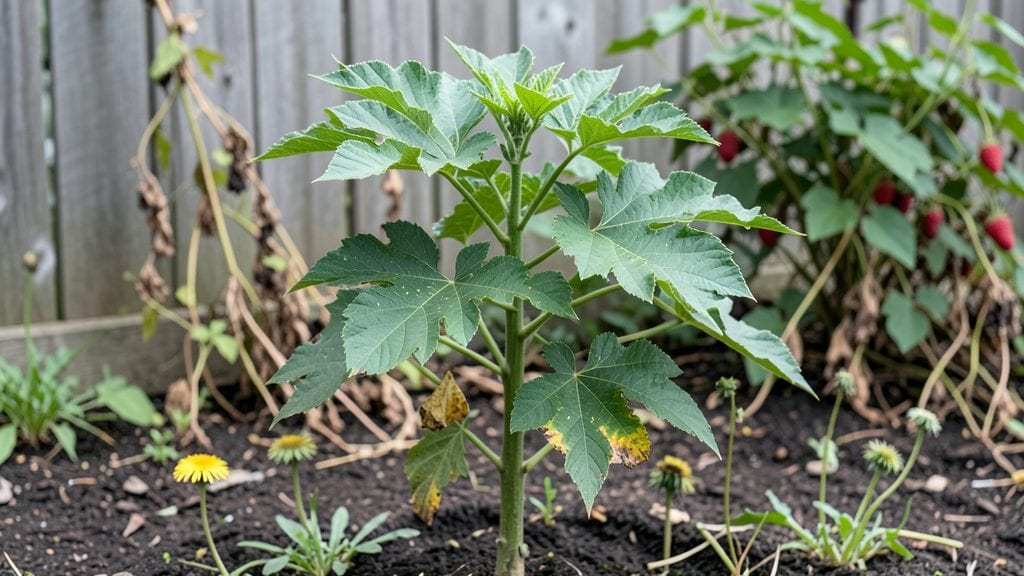
The deadly garden plants hiding among your pest-repelling blooms might be beautiful—but they’re also toxic, and handling oleander, foxglove, or castor beans demands extreme caution. 🌿 I learned that the hard way when a neighbor's curious dog got into my castor bean patch and needed emergency care.
These plants work by producing compounds that deter pests naturally, but those same chemicals can harm humans and animals. Symptoms of poisoning range from skin irritation to severe vomiting, and in extreme cases, they can be fatal.
That's why knowing how to identify them, handle them safely, and remove them properly is critical—especially if you have kids or pets.
You don’t have to avoid them entirely, though. With the right precautions—like wearing gloves, keeping them out of reach, and disposing of clippings carefully—you can still use them as natural pest barriers. Just swap in safer alternatives like marigolds or garlic if you're worried about accidental exposure.
Even experienced gardeners sometimes underestimate these plants, so I’ll walk you through how to tell them apart from their non-toxic lookalikes and how to manage them without risking your family’s safety. Let’s get started the smart way.
📚 In This Guide
- What you need
- Instructions
- Tips and common mistakes
- Wrapping up and next steps
What you need
- ● Deadly Garden Plants: 5-10 mature plants (species vary by region; common options include Datura, Foxglove, Castor Bean, or Monkshood). Check local regulations—some are toxic!
- ● Garden Soil: 2-3 bags (1 cubic yard) of well-draining, nutrient-rich soil (pH 6.0-7.0).
- ● Compost: 1-2 bags (for enriching soil and supporting plant health).
- ● Organic Mulch: 1-2 bags (e.g., straw or wood chips, 2-3 inches thick).
- ● Watering Can or Hose: 1 (with adjustable nozzle for precision).
- ● Gloves: 1 pair (nitrile or leather, for handling toxic plants).
- ● Pruning Shears: 1 pair (sterilized, for trimming).
- ● Plant Labels: 10-15 (waterproof, to identify toxic species).
- ● Trowel: 1 (for transplanting delicate roots).
- ● Garden Fork: 1 (for aerating soil).
- ○ Pest Barrier Fabric: 1 roll (optional, to contain roots if needed).
- ● Pet-Safe Alternatives: 3-5 non-toxic companion plants (e.g., marigolds, lavender) for mixed borders.
- ● Safety Goggles: 1 pair (if handling seeds or sap).
- ● First-Aid Kit: 1 (include activated charcoal for accidental ingestion).
Step-by-Step guide to designing a pest-repelling garden barrier
Create a natural fortress that deters pests without toxic chemicals—here’s how to strategically place your most formidable foliage.
🌿 Step 1: Select Your Armor Plants
Start with foxglove, castor bean, or lobelia—these are the heavy hitters. Foxglove’s striking spikes deter deer and rabbits, while castor bean’s toxic seeds repel even the most determined critters. Lobelia’s dense foliage blocks access to tender perennials. I always place these in a 2-foot-wide perimeter around vulnerable plants, creating an impenetrable visual and chemical barrier.
For smaller pests like aphids or slugs, add marigolds, garlic chives, or wormwood. These emit volatile oils that confuse insects’ navigation systems. Plant them in clusters of 3-5 stems every 18 inches along garden edges. The key is density—pests won’t risk crossing a thicket of thorns or pungent foliage.
🪴 Step 2: Position Plants for Maximum Impact
Place your most potent repellents—like datura or oleander—along fence lines or property borders. These plants thrive in full sun and cast a 5-foot shadow of deterrence. Oleander’s milky sap alone keeps deer and rabbits at bay, while datura’s hallucinogenic properties (for pests, not people) make it a top choice for vegetable gardens.
For flower beds, interplant lobelia and castor bean with your prized blooms. The lobelia’s trailing habit fills gaps, while castor bean’s towering presence (up to 10 feet) creates a physical obstacle. Space them 3 feet apart to ensure full coverage without shading out smaller plants.
☀️ Step 3: Layer for Defense-in-Depth
Combine physical barriers (like thorny roses) with aromatic plants (garlic, rosemary, or lavender). The thorns deter larger animals, while the scent confuses insects. I plant roses along trellises and weave in rosemary at their base—this creates a multi-sensory obstacle course that few pests can navigate.
For vegetable gardens, surround raised beds with marigolds and nasturtiums. Marigolds’ pyrethrin compounds repel beetles, while nasturtiums’ peppery leaves deter squash bugs. Plant them in a 1-foot-wide band around the bed’s perimeter, ensuring their foliage just touches the bed’s edge.
✂️ Step 4: Maintain the Barrier Year-Round
Prune aggressively in early spring to encourage dense growth. Remove dead branches from foxglove or castor bean, as these become entry points for pests. I shear back oleander by 1/3 to stimulate bushier, more effective foliage. This also prevents leggy growth, which weakens the plant’s defensive posture.
Replace annuals like marigolds or lobelia every 2-3 years—their potency fades as they mature. Rotate in fresh plants to maintain peak repellent effectiveness. Mulch heavily with wood chips to suppress weeds (which attract pests) and retain moisture for your barrier plants.
💧 Step 5: Water Strategically for Resilience
Deep-water castor bean and datura once weekly, as these thirsty plants wilt under drought stress. Their weakened state becomes an invitation for pests. I water at the base in the early morning to avoid fungal issues from prolonged leaf wetness.
For drought-tolerant repellents like rosemary or lavender, water only when soil is bone-dry to 2 inches deep. Overwatering these plants dilutes their natural oils, reducing their pest-repelling efficacy. A quick finger test—push your finger into the soil—tells you when to hold off.
Tips & tricks for effective pest-repelling garden barriers
Between us, the difference between a garden that thrives and one that gets overrun by pests often comes down to these strategic plant placement secrets.
The Density Factor: When creating your 2-foot perimeter of foxglove or castor bean, don't just scatter plants randomly. Arrange them in a staggered pattern—like soldiers standing shoulder-to-shoulder—so there are no gaps for pests to slip through. I've seen rabbits completely avoid gardens where the foxglove spikes create an unbroken barrier, while scattered plants leave vulnerable entry points.
Sunlight Strategy: Remember how Step 2 emphasizes placing datura and oleander in full sun? This isn't just about growth—it's about maximizing their defensive chemistry. These plants produce more potent repellent compounds when exposed to direct sunlight. Position them where they'll receive at least 6-8 hours of sunlight daily, especially along fence lines where deer and rabbits tend to approach from shaded areas.
Layering Logic: The multi-sensory approach in Step 3 works because it attacks pests on multiple fronts. For example, when combining thorny roses with rosemary, plant the roses first along your trellis, then weave rosemary through the base. This creates a physical barrier that pests can't penetrate, while the aromatic oils create a chemical fog that disorients insects trying to navigate around the thorns. It's like building a fortress with both walls and moats.
Pruning Precision: When you shear back oleander by 1/3 in Step 4, don't just hack away randomly. Focus on removing the longest, leggiest growth first—these are the branches that weaken the plant's defensive posture. Cut just above a leaf node where new growth can emerge, and always use clean, sharp pruners to prevent disease. This aggressive pruning stimulates bushier growth that creates a denser, more effective barrier within just a few weeks.
Pro Tips for Deadly Garden Plants
- Between us, the difference between a garden that thrives and one that gets overrun by pests often comes down to these strategic plant placement secrets.
- The Density Factor: When creating your 2-foot perimeter of foxglove or castor bean, don't just scatter plants randomly.
- Sunlight Strategy: Remember how Step 2 emphasizes placing datura and oleander in full sun?
Frequently asked questions
Got questions about using deadly garden plants to keep pests at bay? You’re not alone—many gardeners wonder how to safely incorporate these natural defenses into their spaces. Here are some of the most common concerns, answered clearly and practically.
Are these plants really dangerous, or is it just folklore?
While many of these plants—like castor beans, foxglove, or oleander—contain toxins, their danger depends on how you interact with them. Ingesting parts of these plants (especially seeds or leaves) can be harmful to pets, kids, or even humans, but their pest-repelling properties are well-documented. Always wear gloves when handling them and keep them out of reach.
How long does it take for these plants to start repelling pests?
Most deadly garden plants begin working within 2–4 weeks of planting, but results vary by pest type. Fast-acting options like marigolds (which deter nematodes) or garlic chives (repel aphids) may show effects in 1–2 weeks. Slower but potent plants like oleander or larkspur take longer but provide long-term protection once established.
Can I use these plants in containers or small gardens?
Many deadly garden plants thrive in containers, including datura, tobacco plants, and citronella grass. Just ensure containers are large enough (at least 12–18 inches deep for root systems) and drain well. Place them near entry points or pest-prone areas—like windows or doorways—for maximum effect. Just avoid placing them where kids or pets can access them.
What’s a safer alternative if I have pets or small children?
If toxicity is a concern, opt for non-toxic but equally effective plants like basil (repels mosquitoes), lavender (deters moths), or mint (keeps ants away). Even garlic or onion plants (crushed and placed near garden edges) work wonders without the risks. For heavy-duty pests, consider neem oil or pyrethrin-based sprays as chemical-free backups.
What do I do if my pet accidentally eats one of these plants?
Stay calm and act fast! Remove any remaining plant material from their mouth, then contact your vet or the ASPCA Poison Control Center (888-426-4435) immediately. Symptoms like drooling, vomiting, or lethargy may appear within hours. Keep the plant’s packaging or a sample handy to describe the toxin. Prevention is key—fence off toxic plants or choose pet-safe alternatives.
Wrapping up and next steps
Nature’s pest-repelling power is real—and your garden can thrive without harsh chemicals! By strategically planting deadly garden plants like marigolds, garlic, or lavender, you create a natural fortress against pests while boosting biodiversity.
The key? Knowledge and patience—start small, observe what works, and let your garden’s defenses grow stronger over time.
Ready to take the next step? 🌱 Start with just one or two companion plants this season, track their effects, and expand your green shield. Your garden—and the planet—will thank you! 📖 Need a planting guide? Check out our step-by-step companion planting chart to get growing!