
Landscaping
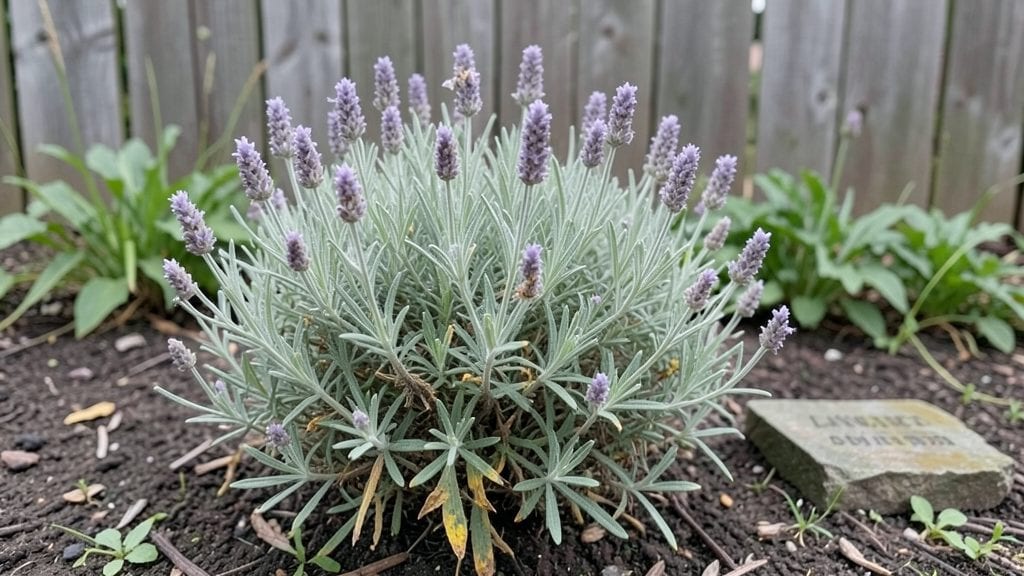
A cremation garden design becomes more than a memorial—it’s a living tribute that grows with time. 🌿 The right layout and plant choices transform a quiet corner into a peaceful sanctuary where every bloom feels intentional.
I’ve designed gardens that honor loved ones while bringing year-round color and texture, from delicate forget-me-nots to sturdy ornamental grasses.
Start with a focal point: a bench, engraved stone, or even a small urn display surrounded by drought-resistant perennials like lavender or Russian sage. These plants thrive with minimal care, mirroring the enduring love you want to preserve.
Add symbolic blooms like lilies for remembrance or sunflowers for joy—each petal a quiet story of their life.
By the first anniversary, your garden will feel like a second home for reflection. The scent of jasmine at dusk, the rustle of hosta leaves in summer, and the quiet beauty of winter interest plants create a space that’s both personal and deeply soothing.
It’s a place where memories grow alongside the plants.
For those with limited mobility, raised beds or ground-level urns make maintenance easier. And if eco-friendliness matters, consider native plants—they require less water and support local wildlife, turning your tribute into a gift for the earth too. Let’s bring their legacy to life, one plant at a time.
📚 In This Guide
- What you need
- Instructions
- Tips and common mistakes
- Wrapping up and next steps
What you need
- ● Soil & Mulch: Topsoil (2–3 cubic yards, depending on garden size)
- ● Organic mulch (e.g., cedar, pine, or hardwood chips – 3–4 bags)
- ● Plants & Greenery: Evergreen shrubs (e.g., boxwood, yew, or holly – 3–5 plants)
- ● Perennials with symbolic meaning (e.g., lilies, roses, or lavender – 5–10 plants)
- ● Seasonal blooms (e.g., daffodils, tulips, or chrysanthemums – 10–20 bulbs/plants)
- ● Memorial Elements: Urns or cremation containers (1–2, weather-resistant materials like ceramic or metal)
- ● Garden stones or engraved markers (1–3, depending on design)
- ● Shovel & spade (for digging and planting)
- ● Garden trowel (for precision planting)
- ● Wheelbarrow (to transport soil/mulch)
- ● Pruners (for trimming and shaping plants)
- ● Rake (for leveling soil and spreading mulch)
- ● Hose with spray nozzle (for watering)
- ○ Optional: String line & stakes (for layout planning), kneeling pad (for comfort)
- ● Check local regulations on cremation garden placement and plant choices.
- ● Test soil pH (aim for 6.0–7.0 for most plants; adjust with lime or sulfur if needed).
- ● Plan for sunlight exposure (full sun, partial shade, or full shade based on plant selections).
- ○ Optional: Consult a landscaper for complex designs or hilly terrain.
Step-by-step instructions for designing a cremation garden
Create a serene memorial space that honors life with lasting beauty and meaning.
🪴 Step 1: Choose a Thoughtful Location
Select a spot that feels peaceful and meaningful. I always look for areas with natural sunlight patterns—at least 6 hours of sun daily for most flowering plants—while also considering shade options for delicate perennials. Avoid low-lying areas where water pools after rain, as soggy soil can stress plants and shorten their lifespan.
Consider the view from the garden itself. A bench or flat stone placed where you can sit and enjoy the space often becomes a focal point for reflection. Measure the area carefully; a 4-foot by 4-foot space provides enough room for meaningful plantings while keeping maintenance manageable.
🌱 Step 2: Select Symbolic Plants for Year-Round Interest
Start with evergreens like boxwood or dwarf juniper for structure—they provide year-round greenery and a sense of permanence. I like to add 3-5 mature plants spaced 18-24 inches apart to create a natural border or focal point. Next, choose seasonal bloomers: lavender for summer fragrance, roses for enduring beauty, and chrysanthemums for autumn color.
Include plants with personal significance. If your loved one enjoyed sunflowers, plant a single variety in a prominent spot. For deeper meaning, consider white flowers like lilies or gardenias, which symbolize purity and remembrance. Mix heights and textures—tall grasses like fountain grass add movement, while low-growing thyme creates a fragrant ground cover.
☀️ Step 3: Layer Soil and Mulch for Plant Health
Remove existing grass or weeds, then loosen the top 6 inches of soil with a garden fork. Amend with 2 inches of compost to improve drainage and fertility. This step ensures roots establish quickly and thrive in the memorial space. For containers or raised beds, use a high-quality potting mix instead—it drains better and prevents root rot.
Spread 2-3 inches of mulch over the soil surface, keeping it 2 inches away from plant stems to prevent moisture buildup. I prefer shredded bark or pine straw for its natural look and ability to suppress weeds. Mulch also helps regulate soil temperature, protecting plants during hot summers and cold winters.
✂️ Step 4: Plant and Arrange for Balance
Dig holes twice as wide as the plant’s root ball but only as deep as the container it came in. Gently remove each plant, loosen the roots if they’re circling, and place it in the hole. Fill around the roots with soil, pressing lightly to remove air pockets. Water deeply to settle the soil and encourage root contact.
Arrange plants in odd-numbered groupings—3, 5, or 7—for natural visual appeal. Place taller plants at the back or center, with mid-height varieties in front, and trailing plants like creeping thyme along edges. Step back frequently to check the balance; you’re aiming for a harmonious composition that feels intentional and calming.
💧 Step 5: Establish a Care Routine
Water newly planted memorial gardens deeply 2-3 times per week for the first month, then taper to once weekly once established. Check soil moisture by sticking your finger 1 inch deep—if it feels dry, it’s time to water. Avoid overhead sprinklers; instead, use a soaker hose or watering can at the base to keep foliage dry and prevent disease.
Fertilize lightly in spring with a balanced, slow-release fertilizer to support growth without overstimulating foliage. Prune spent blooms regularly to encourage new growth and maintain the garden’s neat appearance. In winter, add a 2-inch layer of mulch to protect roots from freezing temperatures.
Tips & tricks for perfect cremation garden design
A few thoughtful adjustments can transform your memorial space into a lasting tribute that feels intentional and meaningful.
Location Wisdom: I always scout locations at different times of day to confirm those 6 hours of sun—morning sun is gentler and can be better for delicate plants like gardenias, while afternoon sun suits heartier varieties like lavender. For shade-loving plants, test the area during the hottest part of summer to ensure they'll thrive. Consider adding a small trellis for climbing plants like clematis if you notice areas with partial shade.
Plant Selection Strategy: When choosing your 3-5 mature evergreens, look for plants with similar water needs to simplify care. I often select boxwoods and dwarf junipers together—they both prefer well-drained soil and tolerate drought once established. For personal significance, consider adding a small plaque or engraved stone near your loved one's favorite plant to create a focal point for visitors.
Soil Preparation Secret: The 2 inches of compost in Step 3 is non-negotiable for plant health, but I've found that adding a handful of perlite or coarse sand to the mix improves drainage in clay-heavy soils. This small adjustment prevents root rot, especially important for memorial gardens where you want plants to thrive for years. For raised beds, mix in 10% coconut coir with your potting mix to retain moisture without becoming soggy.
Arrangement Tip: When arranging your odd-numbered groupings, I recommend starting with the tallest plants first and working your way toward the front. This creates natural depth and prevents smaller plants from getting lost. For a truly personal touch, consider adding a small wind chime or solar-powered garden light near the center—these subtle elements add to the peaceful ambiance without overwhelming the natural beauty.
Pro Tips for Cremation Garden Design
- A few thoughtful adjustments can transform your memorial space into a lasting tribute that feels intentional and meaningful.
- For shade-loving plants, test the area during the hottest part of summer to ensure they'll thrive.
- Plant Selection Strategy: When choosing your 3-5 mature evergreens, look for plants with similar water needs to simplify care.
Frequently asked questions
Got questions about designing a cremation garden? Here are some of the most common ones—and their thoughtful answers—to help you create a meaningful, lasting tribute.
What types of plants thrive year-round in a cremation garden?
A mix of evergreens (like boxwood or junipers), perennials (such as lavender or hostas), and ornamental grasses (e.g., fountain grass) ensure year-round greenery. For blooms, opt for seasonal favorites like roses (symbolizing love), sunflowers (joy), or lilies (truth). Native plants require less maintenance and support local ecosystems.
How long does it take to design and plant a cremation garden?
Designing a garden can take 1–4 weeks, depending on complexity, while planting typically requires 1–2 days. Factor in soil prep (2–4 weeks for amendments) and plant establishment (3–6 months for full growth). Start small if needed—even a single memorial tree or bench can be meaningful and low-maintenance.
Can I scatter ashes in a cremation garden before planting?
Yes! Many people scatter ashes in the garden area before planting as a symbolic gesture. For a natural look, mix ashes into the top 6–12 inches of soil where plants will grow. Avoid scattering on lawns or near water sources. If you’re unsure, consult a local landscaper or funeral director for guidance on your climate and soil type.
What are some low-maintenance alternatives to a traditional garden?
If upkeep feels overwhelming, consider:
- Memorial benches or stones with engraved messages.
- Potted plants (e.g., succulents or herbs) arranged near a focal point.
- Native wildflower meadows that require minimal watering.
- Gravestone gardens with built-in planters for easy care.
What if my garden doesn’t grow as expected?
Troubleshoot with these steps:
- Check soil drainage—ash scattering can compact soil; amend with compost.
- Ensure plants get 6+ hours of sunlight (adjust based on species).
- Water deeply 2–3 times per week (more in hot climates).
- Fertilize lightly in spring (use organic options like fish emulsion).
Wrapping up and next steps
Designing a cremation garden is a deeply personal way to honor loved ones while creating a serene, ever-evolving space. By blending year-round greenery, symbolic blooms, and thoughtful materials, you craft a living memorial that grows with time—and so does your peace. 🌿✨
Ready to bring your vision to life? Start by sketching a rough layout, gathering inspiration from nature, and reaching out to local nurseries for plant suggestions. Whether you’re planting today or planning for the future, every step honors their memory in the most beautiful way.