
Tools
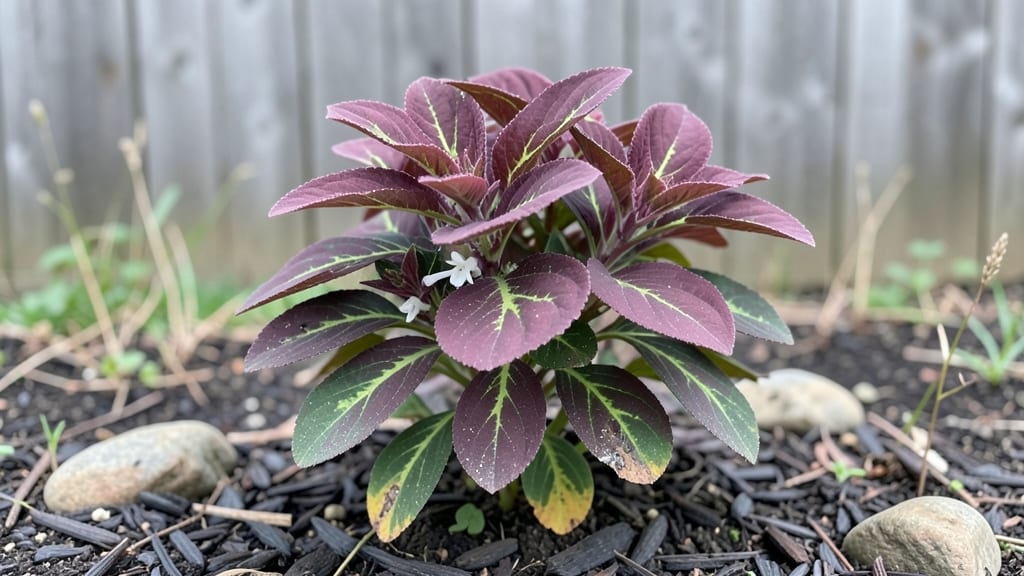
A coleus garden border transforms tired edges into a riot of color that lasts all season long. I’ve designed borders using coleus that keep neighbors stopping to ask which flowers I planted—until they see the foliage alone.
The secret lies in layering different varieties for texture and height, creating a living tapestry that blooms without flowers.
Start with 3-5 coleus varieties in complementary colors: deep burgundy, chartreuse, and soft pink work beautifully together. Space them 12-18 inches apart for a lush, full look within the first month. Pair them with low-growing perennials like heuchera or ajuga to fill gaps and extend the border’s lifespan through winter.
The key is balancing bold and subtle shades—too much contrast can look chaotic.
By midsummer, your border will be a velvety wall of color, with leaves so vibrant they’ll make your entire garden pop. Prune back leggy stems in early spring to encourage bushier growth, and mulch heavily to preserve moisture.
This isn’t just a border—it’s a statement piece that works as hard as it looks, requiring minimal effort after the initial planting.
Works in full sun to partial shade, making it adaptable to almost any yard. The best part? You can mix in variegated coleus for extra texture or stick to solid colors for a bold, modern look. Once you try it, you’ll never settle for plain old shrubs again.
📚 In This Guide
- What you need
- Instructions
- Tips and common mistakes
- Wrapping up and next steps
What you need
- ● Coleus plants: 12–20 mature coleus plants (variegated varieties like 'Wizard,' 'Margot,' or 'Rainbow' for diverse colors).
- ● Garden soil: 1–2 cubic yards of well-draining, nutrient-rich soil (amend with compost for fertility).
- ● Mulch: 1–2 bags of organic mulch (e.g., shredded bark or pine straw) to retain moisture and suppress weeds.
- ● Garden border edging: Flexible plastic or metal edging (10–15 feet long, depending on border size).
- ● Hand trowel: 1 medium-sized trowel for planting.
- ● Watering can or hose: With a gentle spray nozzle for hydration.
- ● Pruning shears: Sharp shears to trim and shape coleus for a polished look.
- ● Gloves: A pair of durable gardening gloves to protect your hands.
- ● Companion plants: Low-growing annuals (e.g., sweet potato vine or ferns) to fill gaps and add texture.
- ● Decorative stones: Small pebbles or mulch dyes to accentuate color themes.
- ● Stakes or plant markers: For labeling varieties if you’re experimenting with colors.
- ● Slow-release fertilizer: A granular formula to boost growth during the season.
Step-by-step guide to creating a coleus garden border
This layered approach delivers bold color that thrives all season long with minimal fuss.
Prepare the Planting Area
Choose a location with partial shade to full sun—coleus handles heat better than many tropicals, but afternoon shade prevents leaf scorch in hot climates. Clear the area of weeds and loosen the soil to a depth of 6 inches using a garden fork. The goal is to break up compacted soil without creating large clumps.
If your soil drains poorly, mix in 2-3 inches of coarse sand or perlite to improve aeration. Coleus roots spread horizontally, so space plants 10-12 inches apart in the border. Mark planting spots with small stakes or a garden hose outline to visualize the design before digging.
Select and Plant Coleus Varieties
Choose 4-6 different coleus varieties for layered texture and color contrast. I recommend starting with 2-3 tall varieties (12-18 inches) for the back row, 2 medium varieties (8-12 inches) for the middle, and 1-2 low-growing types (6-8 inches) for the front. Dig holes twice as wide as the root ball but only as deep as the container—burying stems too deep invites rot.
Gently remove plants from their pots and tease apart crowded roots. Place each plant in its hole, backfill with soil, and press lightly around the base to eliminate air pockets. Water deeply right after planting to help roots settle into the new soil. Avoid overwatering at this stage—coleus prefers slightly moist but never soggy soil.
Mulch and Maintain Soil Moisture
Spread 2-3 inches of organic mulch (like shredded bark or pine straw) over the soil surface, keeping it 2 inches away from plant stems to prevent rot. Mulch conserves moisture, regulates soil temperature, and suppresses weeds—critical for a low-maintenance border. Water once a week during the first month, then adjust based on rainfall. Coleus signals thirst by drooping leaves in the morning.
After the initial watering, check soil moisture by sticking your finger 1 inch deep. If it feels dry, water slowly until moisture reaches 4-6 inches down. Avoid overhead watering, which can stain leaves and promote fungal diseases. Drip irrigation or soaker hoses deliver water directly to roots without wetting foliage.
Prune for Bushier Growth
Pinch back the tips of new growth when plants reach 6-8 inches tall to encourage branching. Use clean, sharp scissors to snip just above a leaf node—this is where new side shoots will emerge. Regular pruning keeps coleus compact and prevents leggy growth, especially in shady spots. I prune every 4-6 weeks throughout the growing season, always cutting just above a set of leaves.
Remove any yellow or damaged leaves immediately to maintain the plant's energy. If a stem grows too long, cut it back to half its length—coleus responds quickly to pruning and often fills in within 2-3 weeks. Deadheading spent flowers (if any appear) redirects energy to leaf production rather than seed development.
Extend the Season with Care
As temperatures drop below 50°F, coleus begins to decline. To prolong the display, move potted varieties to a sheltered spot or bring them indoors near a bright, east-facing window. Reduce watering gradually—coleus in dormancy needs less moisture. In frost-prone areas, dig up tender varieties and overwinter them in a cool, dark basement or garage with 50-60°F temperatures and minimal light.
If you're starting fresh next spring, take 4-6 inch cuttings from healthy stems in early spring. Dip the cut ends in rooting hormone (optional but helpful) and place them in moist potting mix. Cover with a plastic bag to retain humidity and keep in warm, bright light until roots form—usually 3-4 weeks. This ensures a fresh, vibrant border every season with minimal cost.
Tips & tricks for perfect coleus garden borders
A few simple strategies will help your coleus garden border thrive and stay vibrant all season long.
Soil Preparation Insight: When loosening soil to a depth of 6 inches, focus on breaking up large clumps rather than turning the soil completely. Coleus roots spread horizontally, so you want to create a loose, crumbly texture that encourages root expansion. If your soil feels dense or compacted, add a handful of coarse sand or perlite to each planting hole—this improves drainage without altering the soil structure too dramatically.
Planting Depth Matters: Never bury the stems deeper than the container level, as this can cause rot. The key is to plant coleus at the same depth it grew in its nursery pot. If you notice the soil line on the stem after planting, gently scrape away excess soil to expose the original root flare. This small detail makes a big difference in plant health and longevity.
Watering Wisdom: The finger test for soil moisture works best in the morning when the soil is naturally cooler. If your finger comes out clean at 1 inch deep, wait a day before watering. For the first month, stick to that weekly watering schedule, but always adjust based on rainfall. Overwatering is a common mistake—coleus prefers slightly moist soil, not soggy conditions.
Pruning Pro Tip: When pinching back new growth at 6-8 inches tall, focus on the topmost set of leaves. This encourages branching from the leaf nodes just below your cut. Regular pruning every 4-6 weeks keeps plants compact and prevents leggy growth. I've found that cutting back stems to half their length actually stimulates bushier growth—coleus responds beautifully to this technique.
Pro Tips for Coleus Garden Border
- A few simple strategies will help your coleus garden border thrive and stay vibrant all season long.
- Soil Preparation Insight: When loosening soil to a depth of 6 inches, focus on breaking up large clumps rather than turning the soil completely.
- Planting Depth Matters: Never bury the stems deeper than the container level, as this can cause rot.
Frequently asked questions
Got questions about creating a stunning coleus garden border?
You’re not alone! Here are answers to the most common queries to help you grow a thriving, colorful display with ease.
When is the best time to plant coleus for a garden border?
Plant coleus in spring after the last frost (around late April to early June in most U.S. zones) or early fall (September to early October). Avoid planting in extreme heat or cold, as coleus thrives in moderate temperatures (60–75°F). For year-round color, start with potted plants in containers and swap them out seasonally.
How often should I water my coleus border?
Water coleus regularly but avoid soggy soil—aim for 1–1.5 inches of water per week, including rainfall. Young plants need more frequent watering (every 2–3 days), while established borders thrive with weekly deep watering. Mulch around plants to retain moisture and reduce evaporation. Yellowing leaves? Often a sign of overwatering!
Can coleus survive full sun, or do they need shade?
Most coleus varieties prefer partial shade (4–6 hours of sun daily), especially in hot climates. However, sun-tolerant cultivars (like ‘Wizard’ or ‘Margot’) can handle morning sun + afternoon shade. If leaves scorch or fade, move them to a shadier spot—coleus is all about bold foliage, not flowers!
What are some low-maintenance alternatives to coleus for a garden border?
If coleus seems too high-maintenance, try these hardy, colorful alternatives:
- Heuchera (Coral Bells): Drought-tolerant with stunning foliage.
- Sweet Potato Vine: Fast-growing, trailing, and sun-loving.
- Liriope (Monkey Grass): Grass-like texture with minimal upkeep.
- Impatiens: Shade-loving and great for borders in cooler climates.
Why are my coleus leaves turning yellow or spotted?
Yellow or spotted leaves usually signal overwatering, pests, or fungal issues. Check for:
- Root rot: Let soil dry slightly between waterings.
- Spider mites: Spray leaves with water or use neem oil.
- Powdery mildew: Improve airflow and avoid wetting foliage.
Wrapping up and next steps
Transforming your garden into a year-round canvas of color with coleus is easier—and more rewarding—than you think! 🌈 Whether you’re a seasoned gardener or just starting, these vibrant foliage borders bring life, texture, and personality to any outdoor space.
The key? Layering, patience, and a little creativity—and now, you’ve got the perfect recipe to make it happen.
Ready to roll up your sleeves? Start small—pick a sunny or shaded border, gather your coleus, and let your green thumb shine! Need inspiration? Browse our garden design gallery or join a local gardening group to swap tips. Your garden’s next masterpiece is just a few plants away! 🌱✨