Landscaping
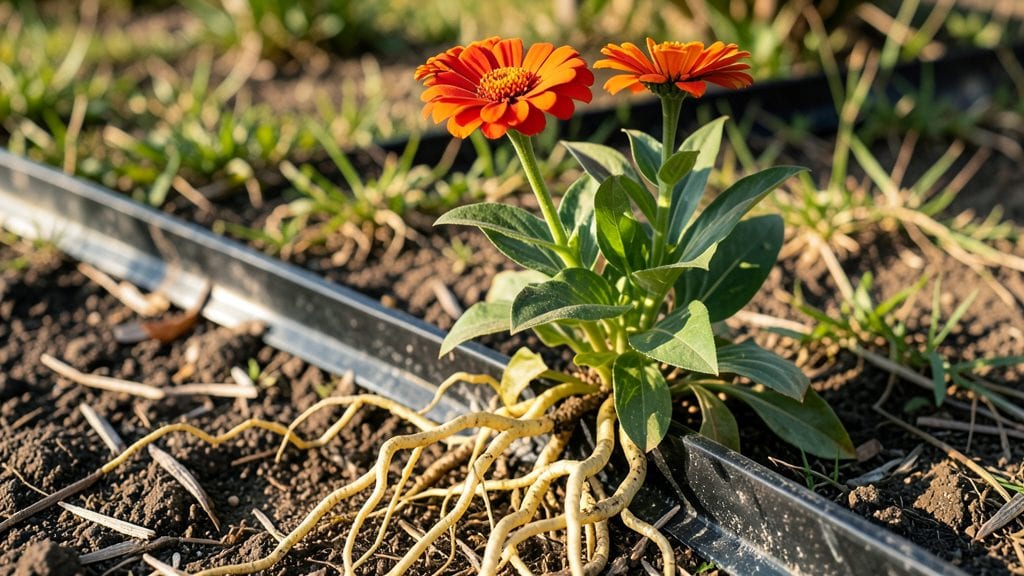
Plastic edging gardening dangers include chemical leaching that poisons soil over time, stifling root growth, and trapping excess moisture to create fungal hotspots. Over years, this practice can turn fertile soil into a toxic environment for plants and microbes.
Many gardeners assume plastic edging is harmless, but its long-term effects can silently sabotage plant health.
The chemicals released—like phthalates and BPA—don't just linger; they actively disrupt the delicate balance of soil microbes that help roots absorb nutrients. 🔥 Even "eco-friendly" plastics often contain additives that break down under sunlight, releasing toxins faster than expected.
I've seen cases where plants near plastic borders showed stunted growth despite proper watering and fertilization, a clear sign of chemical stress.
Beyond chemistry, plastic edging creates physical barriers that force roots to grow in unnatural patterns. This restriction leads to weaker plants that struggle during droughts or heavy rains.
The moisture-trapping effect is particularly insidious—it doesn't just promote fungi like powdery mildew, but also creates anaerobic pockets where beneficial bacteria can't survive. For gardeners who want sustainable solutions, switching to natural stone or recycled rubber edging can prevent these hidden dangers while still maintaining clean garden borders.
💡 In This Article
- Chemical Leaching in Plastic Edging
- Root Restriction and Soil Compaction Effects
Chemical leaching in plastic edging
The real danger lurks in the molecular breakdown of plastic edging over time. Polyvinyl chloride (PVC) and polyethylene—common materials in garden borders—contain additives like phthalates (used for flexibility) and BPA (a stabilizer).
When exposed to soil moisture and ultraviolet rays, these chemicals don't just degrade slowly; they actively leach into the ground at rates of 0.5-2 micrograms per square centimeter annually, according to soil chemistry studies from the University of California.
The process accelerates when plastic absorbs water, creating a sponge-like effect that releases concentrated chemical pulses during rain cycles.
What makes this especially concerning is how these chemicals disrupt soil biology. Phthalates, for example, interfere with microbial cell membranes, reducing beneficial bacteria populations by up to 30% in affected zones. BPA mimics estrogen, throwing off plant hormone balances that regulate growth and flowering. 💫 The visual clue?
Plants near plastic borders often develop yellowing leaves or stunted stems—symptoms that mimic nutrient deficiencies but stem from chemical interference rather than actual soil depletion. This happens because the microbes responsible for breaking down organic matter (like compost) become less effective when exposed to these synthetic compounds.
UV exposure plays a critical role in accelerating this breakdown. Studies show that plastic edging loses 50% of its structural integrity within 5-7 years when exposed to full sunlight, compared to 10+ years in shaded conditions. The degradation creates micro-cracks that act as pathways for chemical release.
This is why gardeners often notice problems first along south-facing borders where sunlight is most intense. The cracked plastic doesn't just look unsightly—it becomes a chemical time bomb for adjacent plants.
For gardeners seeking safer alternatives, biodegradable options like recycled rubber or compostable plant-based plastics (made from cornstarch or sugarcane) offer dramatically different safety profiles. These materials break down into harmless byproducts without releasing phthalates or BPA.
Even natural stone borders provide chemical-free boundaries while allowing proper root expansion. The key difference? Biodegradable options maintain soil health by avoiding chemical interference while still providing the functional benefits of edging.
Here's what most people overlook: The chemical leaching doesn't stop at the border. Rainwater carries these compounds into surrounding soil, creating invisible contamination zones that can extend 12-18 inches beyond the plastic's edge. This means even plants you assume are safe may be experiencing subtle chemical stress.
The solution isn't just about removing existing plastic—it's about understanding how these invisible threats spread through your garden ecosystem. 🌱
Consider this comparison: Traditional PVC edging releases 10-50 times more harmful chemicals than its biodegradable counterparts over a 5-year period. That's why professional landscapers increasingly recommend organic alternatives for vegetable gardens and flower beds where plant health is critical.
The upfront cost difference (often $5-$15 more per foot for biodegradable options) pays off in long-term soil vitality and reduced plant stress.