
Pests
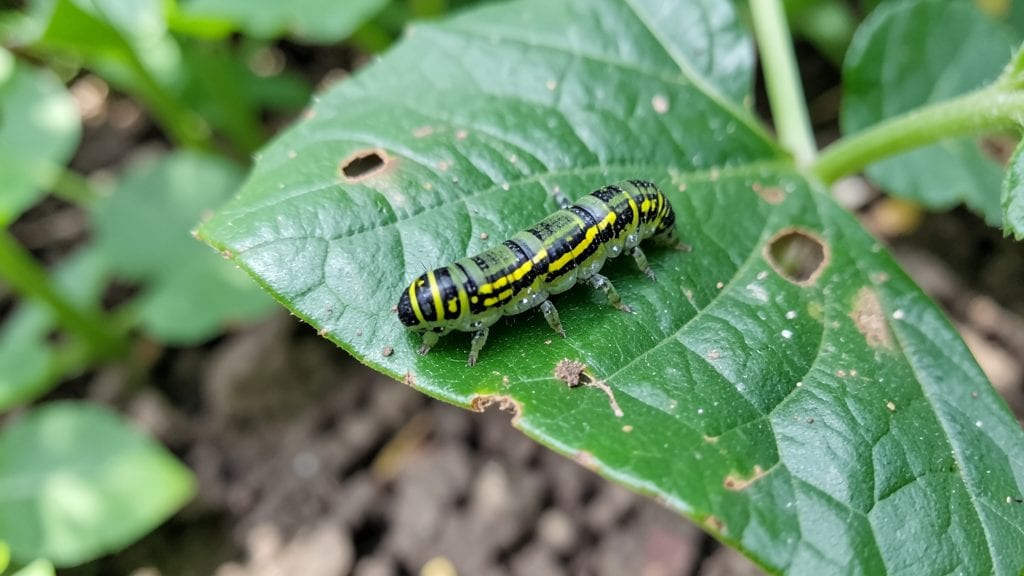
Caterpillars in garden mean more than just chewed leaves—they signal a silent battle between your plants and hungry larvae. 🌿 I’ve lost entire rows of tomatoes and cabbage to these striped invaders, but I’ve also learned which organic barriers actually stop them in their tracks.
The key isn’t just sprays; it’s smart placement of physical shields and plant allies that caterpillars avoid.
Most gardeners reach for pesticides first, but that misses the real solution: row covers, collars, and companion plants that caterpillars can’t survive near. My go-to is lightweight floating row covers for brassicas—cabbage worms can’t penetrate them, and the plants still get sunlight.
For tomatoes, I use cardboard collars around stems, which hornworms can’t chew through. The secret? Timing—install these before eggs hatch in spring.
You’ll see results fast: no more skeletonized leaves, fewer slug trails at dawn, and plants that grow strong instead of stressed. The best part? These methods work for tomato hornworms, cabbage loopers, and even tent caterpillars without harming bees or butterflies.
Once you try them, you’ll wonder why you ever used chemicals.
Works for both vegetable gardens and flower beds, and scales from small containers to full rows. Here’s how to set up your first line of defense—no sprays required.
The Hidden Lures for Garden Munchers
Your garden isn’t just a buffet—it’s a five-star caterpillar hotel. 🌿🐛 These striped munchers don’t wander in randomly; they’re drawn by a mix of natural cues, plant chemistry, and even your gardening habits.
Understanding why they show up is the first step to outsmarting them. Here’s the science behind their garden invasions.
Caterpillars are picky eaters—but not in the way you’d expect. They’re wired to seek out plants that are nutrient-rich, tender, and chemically inviting. Some garden favorites are basically neon “Eat Me” signs to them:
- Leafy Greens & Brassicas: Cabbage, kale, broccoli, and lettuce are packed with nitrogen, which caterpillars crave for growth. The sulfur compounds in brassicas (like cabbage) actually attract certain moth species that lay eggs on them.
- Tomatoes & Peppers: Solanaceae plants produce volatile organic compounds (VOCs) that caterpillars detect from up to 30 feet away. Tomato hornworms, for example, zero in on these scents like a bloodhound.
- Fruit Trees & Berries: Ripe or overripe fruit emits sugars and alcohols that signal “ready to eat.” Codling moth caterpillars (apple orchard pests) are drawn to fermenting fruit smells.
Pro Tip: 💡 If you’re growing these plants, rotate crops annually to disrupt caterpillar life cycles. They rely on finding the same food source year after year!
Caterpillars don’t just hatch from thin air—they start as eggs laid by moths. And moths? They’re nighttime navigators with a knack for finding your garden under the moonlight. Here’s how it works:
- UV & Moonlight Reflection: Light-colored garden surfaces (like white mulch or pale foliage) reflect ultraviolet light, which many moths use for orientation. Dark gardens absorb heat and emit infrared signals that moths detect as “habitat sweet spots.”
- Artificial Lights: Outdoor lights (especially blue, violet, or mercury vapor bulbs) mimic moonlight and attract adult moths. Studies show moths can be drawn from over a mile away to the right light source.
- Pheromone Trails: Female moths release pheromones to attract males, and these chemical trails can linger in gardens with dense foliage. A single female can draw dozens of males in hours.
Pro Tip: 🌡️ Swap traditional outdoor lights for warm, amber, or “bug shield” LED bulbs (like those rated for insect deterrence). Timers that turn lights off at dusk can also reduce moth traffic.
Caterpillars are cold-blooded—literally. Their development speed depends on temperature and moisture, and your garden might be serving up the ideal incubator. Here’s why:
| Condition | Why Caterpillars Love It | Actionable Fix |
|---|---|---|
| 🌡️ 60–85°F Soil Temp | Most caterpillar eggs hatch fastest in this range. Warmer soil = faster larval growth. | Use reflective mulch (like aluminum foil) or shade cloth in hot climates to cool soil. |
| ☁️ High Humidity | Caterpillars desiccate quickly in dry air. Moist gardens keep them hydrated and active. | Reduce overhead watering (which raises humidity) and water at the base in the morning. |
| 🍂 Decaying Organic Matter | Compost piles and leaf litter provide shelter and extra food for young caterpillars. | Keep compost covered with a tight lid and remove leaf litter from garden beds. |
Pro Tip: ✨ If you’re dealing with overwintering caterpillars (like tent caterpillars), prune and destroy infested branches in late fall before they hatch in spring.
Sometimes, you’re the reason caterpillars move in. Even well-meaning gardening practices can create a caterpillar paradise:
- Over-Fertilizing: Excess nitrogen makes plants softer and more palatable to caterpillars. Think of it like serving fast food—easy to digest, hard to resist.
- Monoculture Planting: Growing the same crops in rows (like a cornfield) makes it easier for moths to find and lay eggs. Diversity confuses them.
- Ignoring Beneficial Predators: Birds, parasitic wasps, and ground beetles eat caterpillars. If you’re using broad-spectrum pesticides, you’re also wiping out their natural enemies.
- Bringing in Infested Plants: Nursery plants, cuttings, or even firewood can harbor hidden eggs or larvae. Always inspect new additions!
Pro Tip: 🎯 Mulch strategically: A 3-inch layer of wood chips or straw can deter some moths from laying eggs near the soil surface, but avoid thick piles that trap moisture.
Quick Fixes for Garden Caterpillar Woes
Caterpillars can turn your lush garden into a chewed-up canvas faster than you can say "leaf skeleton." But don’t panic—these hungry critters are manageable with the right strategies. Below, we’ve mapped out practical, organic solutions tailored to the most common causes of caterpillar infestations.
Whether they’re munching on your veggies, stripping leaves, or spinning webs, here’s how to stop the damage in its tracks—and keep it from happening again.
Fix: Manual Removal + Natural Deterrents
Caterpillars like the tent caterpillar or looper love to strip plants bare, leaving behind a trail of silk and half-eaten foliage. The good news? They’re easy to spot—and even easier to remove.
- 🔥 Handpick & Drown
- Wait until the morning when caterpillars are sluggish (they’re less likely to wriggle away).
- Drop them into a bucket of soapy water (a few drops of dish soap + water) to kill them instantly.
- Pro tip: Use a flashlight at night—some caterpillars hide under leaves but become visible when illuminated.
- 🍳 Bacillus Thuringiensis (Bt) Spray - This organic bacteria (sold as Bt kurstaki) is caterpillar-specific and won’t harm bees or other beneficial insects. - Mix it with water and spray directly on leaves where caterpillars feed.
They ingest it and stop eating within 48 hours. - Best for: Young caterpillars (larvae) before they spin webs or pupate.
- 👨🍳 Neem Oil Barrier
- Mix 1 tsp neem oil + 1 tsp mild soap + 1 quart water and spray on leaves.
- The oil disrupts their feeding and deters egg-laying. Reapply after rain.
- Bonus: It also repels adult moths (their parents) from laying more eggs.
💡 Prevention:
- Prune & dispose of tent webs in the fall before eggs hatch.
- Plant companion flowers like marigolds or dill—their strong scent confuses caterpillars.
- Encourage predators: Ladybugs, birds, and parasitic wasps love to snack on caterpillars.
Fix: Disrupt the Nest + Break the Cycle
Webs are a red flag—caterpillars like fall webworms or gypsy moths spin silk tents to hide and feast. The key? Destroy the nest and prevent regrowth.
- 🔪 Cut & Burn (or Bag) the Web
- Wear gloves—some caterpillars can bite or sting!
- Cut the web off at the base and drop it in a sealed bag (or burn it if local laws allow).
- Warning: Don’t shake the web—caterpillars will scatter and reinfest nearby plants.
- 🥘 Diatomaceous Earth (DE) Dust
- Sprinkle food-grade DE around the base of the plant and inside the web.
- It dehydrates caterpillars without chemicals. Reapply after watering.
- Best for: Large infestations where spraying isn’t practical.
- 🐦 Attract Caterpillar Hunters
- Hang a bird feeder or install a bat house—both love to eat caterpillars.
- Plant native milkweed (for monarchs) to attract predatory insects like braconid wasps, which lay eggs inside caterpillars.
💡 Prevention:
- Inspect plants weekly in spring—early detection = easier removal.
- Remove fallen leaves in autumn (many caterpillars overwinter in leaf litter).
- Use reflective tape (like old CDs hung in trees)—the glare confuses adult moths.
Fix: Targeted Traps & Organic Sprays
Caterpillars like hornworms or cabbage loopers can wipe out a tomato plant overnight. Act fast with these high-impact solutions:
- 🍅 Trap Cropping
- Plant a sacrificial crop (like basil or dill) near your veggies.
- Caterpillars will go for the trap plant first—remove and destroy them before they reach your tomatoes or cabbage.
- 🔪 Drop the Buckets (Literally)
- Place buckets of soapy water under infested plants.
- Gently shake the plant—caterpillars will fall in and drown.
- 🌡️ Spinosad Spray (Organic Pesticide)
- Made from fermented soil bacteria, spinosad is highly effective against chewing pests.
- Spray in the early evening to avoid harming bees. Reapply every 5–7 days.
💡 Prevention:
- Rotate crops yearly to disrupt caterpillar life cycles.
- Plant early maturing varieties—some caterpillars prefer young, tender leaves.
- Use row covers (lightweight fabric) over seedlings to block egg-laying moths.
If caterpillars keep coming back despite your efforts, it’s time to escalate:
- Check for moth traps (like pheromone traps for gypsy moths).
- Consult your local cooperative extension for region-specific advice.
- Consider beneficial nematodes (Heterorhabditis bacteriophora) for soil-dwelling caterpillar larvae.
Remember: The goal isn’t just to kill caterpillars—it’s to restore balance in your garden. With these methods, you’ll outsmart, not outspray, the pests while keeping your plants thriving. 🌱✨
Frequently asked questions
What are the most common caterpillars that attack garden plants?
The worst offenders include tomato hornworms (giant green caterpillars with horn-like tails), cabbage loopers (pale green with looped bodies), and tent caterpillars (silk web-spinners). Other troublemakers are gypsy moth caterpillars (hairy, gray-brown) and fall webworms (yellowish with black stripes).
How do I tell if caterpillars are damaging my plants?
Look for chewed leaves with ragged edges, silk webs (especially on trees), or frass (black droppings) on foliage. Young plants may show stunted growth or holes in leaves—a sign caterpillars are active. Check undersides of leaves where they hide.
Are there caterpillars that are actually good for the garden?
Yes! Monarch caterpillars (orange and black striped) only eat milkweed, and swallowtail caterpillars (green with yellow spots) feed on dill, parsley, and carrots. These become butterflies, which pollinate flowers. Avoid killing them unless they’re attacking your crops.
Will neem oil or diatomaceous earth really work against caterpillars?
Neem oil disrupts their feeding and deters egg-laying, while food-grade diatomaceous earth dehydrates them by damaging their exoskeletons. For best results, apply neem oil at dusk (when caterpillars are active) and reapply DE after rain. Both are organic but require consistency.
How do I keep caterpillars from coming back next year?
Start with crop rotation to break their life cycle, remove leaf litter (where eggs overwinter), and plant companion flowers like marigolds or basil. Install reflective tape on tree trunks to confuse moths, and encourage predators (birds, ladybugs) with nesting boxes.