
Pests
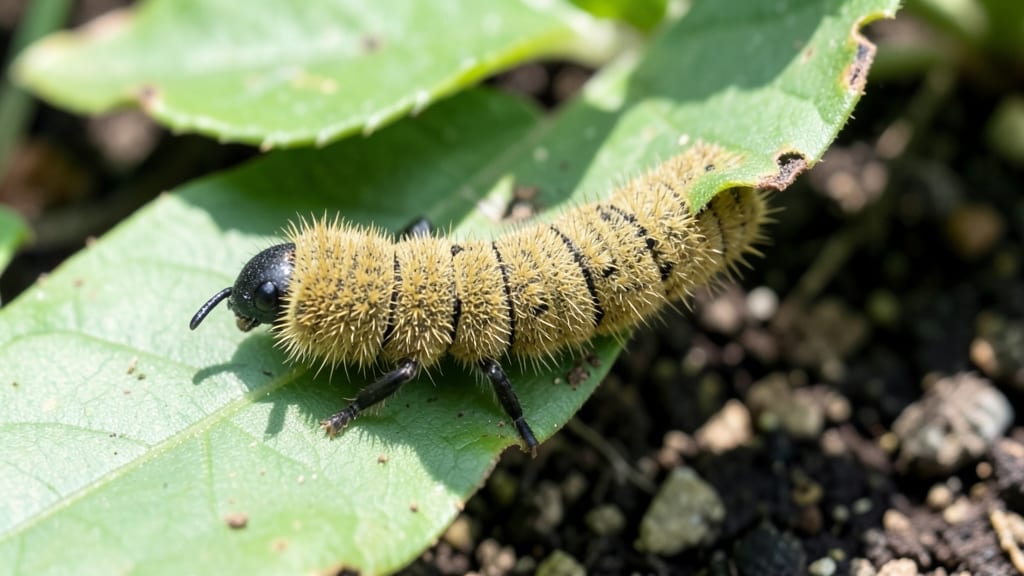
Learning to grow a garden with caterpillars means turning those leaf-munching intruders into a manageable challenge—before they devour your tomato plants in days. 🌿 I’ve watched entire rows of basil vanish overnight, and the key to saving your harvest is knowing how to handle them without harming... the soil or your garden’s balance.
The good news? You don’t need harsh chemicals to win this battle.
Most caterpillars are harmless to humans but devastating to plants, chewing through leaves, stems, and even fruit. The first step is identifying them—sawtooth edges on leaves? That’s likely a tomato hornworm.
Tiny holes? Probably a cabbage looper. Once you spot them, you’ll want to act fast, but the right method makes all the difference.
Humane removal works better than you’d think. A simple bucket of soapy water or a quick relocation to a nearby wildflower patch keeps your garden thriving without disrupting the ecosystem. I’ve even trained my kids to spot them early—it’s become a game, and the garden stays lush all season.
Prevention is where the real magic happens. Planting companion flowers like marigolds or dill attracts beneficial wasps and parasitic flies that naturally control caterpillar populations. With these tricks, your garden stays productive—and the caterpillars get a one-way ticket out of your yard.
Root Causes Of Caterpillar Infestations
Caterpillars may seem like harmless garden visitors, but when they appear in large numbers, they can quickly strip plants of their leaves, damage fruit, and leave your garden looking like a buffet after a rave.
Understanding why these hungry larvae show up in the first place is the first step to preventing—or at least managing—them without harming your soil or ecosystem. Let’s break down the most common reasons caterpillars decide your garden is their new home.
Caterpillars are drawn to plants that are already struggling—whether from disease, poor nutrition, or overcrowding. A weakened plant has softer leaves and less natural defense (like bitter compounds or tough fibers), making it an easy meal.
Why it happens:
- Stress signals: Plants under stress (due to drought, nutrient deficiency, or root damage) release chemical cues that attract caterpillars. Think of it like a "help wanted" sign for pests.
- Lack of competition: When plants are too close together, airflow and sunlight are limited, creating a damp, shaded environment that many caterpillar species love.
- Young or tender growth: New shoots and seedlings are particularly vulnerable because they haven’t yet developed tougher, pest-resistant structures.
Actionable fix:
- Space plants properly to improve airflow and reduce humidity.
- Fertilize appropriately—neither over- nor under-feeding can attract pests.
- Remove damaged or diseased leaves to break the cycle of stress signals.
Not all plants are equally appealing to caterpillars. Some are like all-you-can-eat buffets, while others are barely worth a nibble. If your garden is packed with caterpillar favorites, you’re basically inviting them to move in.
Why it happens:
- Preferred food sources: Many caterpillars are picky eaters. For example:
- Tomato hornworms love tomatoes, peppers, and eggplants.
- Cabbage worms target brassicas (kale, broccoli, cabbage).
- Tobacco budworms go for nightshades and solanaceae plants.
- Monoculture gardens: Planting large blocks of the same crop creates a caterpillar paradise with endless food.
- Native plants: Some caterpillars (like the monarch butterfly’s larvae) are adapted to specific native plants, making them more likely to stick around.
Actionable fix:
- Diversify your garden with pest-resistant plants (e.g., marigolds, basil, or nasturtiums).
- Interplant susceptible crops with less appealing ones to disrupt caterpillar feeding patterns.
- Choose varieties bred for pest resistance (e.g., some tomato varieties are hornworm-resistant).
Caterpillars don’t just appear out of nowhere—they follow a precise life cycle tied to seasonal changes. If their adult moths emerge at the same time your plants are most vulnerable (like early spring or late summer), you’re in for trouble.
Why it happens:
- Moth emergence: Female moths lay eggs on plants just as they’re starting to grow. The caterpillars hatch at the perfect time to feast on tender new leaves.
- Warm seasons: Most caterpillars thrive in warm weather. If your garden is lush and green during their peak activity (summer in many regions), they’ll see it as a prime location.
- Multiple generations: Some species (like the cabbage looper) can produce several generations in one season, leading to exponential growth in their numbers.
Actionable fix:
- Monitor moth activity and remove egg masses before they hatch (look for tiny white or yellow clusters on leaves).
- Use row covers early in the season to prevent moths from laying eggs.
- Plant trap crops (like dill or fennel for swallowtail butterflies) to lure caterpillars away from your main crops.
Caterpillars aren’t just looking for food—they also need the right environment to survive. Too much moisture, shade, or shelter can turn your garden into a caterpillar hotspot.
Why it happens:
- High humidity: Many caterpillars prefer damp conditions, which slow down natural predators (like birds or parasitic wasps) and keep their bodies hydrated.
- Shady or sheltered spots: Gardens with dense mulch, thick ground cover, or structures (like trellises or debris) provide hiding places for caterpillars during the day.
- Water sources: Overwatered soil or standing water can attract moths, which then lay eggs near the moisture.
Actionable fix:
- Improve drainage to reduce soggy soil and humidity.
- Prune plants to allow sunlight and airflow to reach the base.
- Remove debris where caterpillars might hide (e.g., old plant stalks, mulch piles).
Pro Tip: 💡 Caterpillars often strike when gardens are at their healthiest—so don’t wait until you see damage to act. Proactive measures (like diversifying plants, improving airflow, and monitoring moths) can save you from a full-blown infestation!
Quick Fixes for Garden Caterpillars
Caterpillars can turn your lush garden into a skeleton in no time, but the good news is that most infestations are manageable with simple, humane solutions. Below, we’ve mapped out the most common causes of caterpillar damage and the best ways to address them—without harming your soil or beneficial insects.
Prevention tips are included to keep your garden thriving long-term.
These hungry critters strip plants bare overnight, leaving behind ragged edges and chewed foliage. They thrive in dense plantings and are especially fond of brassicas (like kale and broccoli) and nightshades (like tomatoes and peppers).
🔥 How to Fix It
- Handpick in the Morning
Caterpillars are sluggish after cool nights. Wear gloves and pluck them off leaves, dropping them into soapy water (1 tbsp dish soap per gallon of water) to kill them instantly. Pro tip: Check the undersides of leaves—they love to hide there! 🌿
- Use Row Covers
Lightweight fabric covers (like floating row covers) create a physical barrier while allowing sunlight and water through. Secure edges with soil or bricks to prevent caterpillars from crawling underneath. Best for: Early plantings or persistent outbreaks.
- Introduce Natural Predators
Ladybugs, lacewings, and parasitic wasps (like Cotesia congregata) feast on caterpillars. Purchase them from garden centers or attract them with native plants like dill, fennel, or yarrow. Pro tip: Avoid pesticides—even organic ones—to keep predators around! 🐞
💡 Prevention Tips
- Rotate crops yearly to disrupt caterpillar life cycles.
- Plant traps like nasturtiums or marigolds to lure caterpillars away from prized plants.
- Encourage healthy soil with compost—strong plants recover faster from damage.
These pests spin silky webs that smother plants, stunting growth and attracting mold. They’re common in fruit trees, roses, and shrubs. Their webs can also harbor harmful fungi.
🍳 How to Fix It
- Prune and Destroy Webs
Use pruners to cut out heavily infested branches, then bag and discard the webs (don’t compost them!). Burn or trash the debris to prevent reinfestation. Pro tip: Wear a mask—some webs can irritate skin! 😷
- Apply Horticultural Oil or Neem Oil
Spray a 1% horticultural oil solution (or neem oil mixed with water and a drop of soap) directly on webs and caterpillars. Reapply every 5–7 days until webs disappear. Safe for: Most plants, but test on a small area first.
- Disrupt Their Habitat
Shake branches over a bucket of soapy water to dislodge caterpillars. For large trees, use a leaf blower to knock webs loose before treating with oil.
🌡️ Prevention Tips
- Inspect trees in late winter/early spring—eggs are often laid on branches.
- Encourage birds (like chickadees) that eat tent caterpillar eggs by adding birdhouses.
- Avoid over-fertilizing—stressed plants attract more pests.
These nocturnal pests chew through stems at soil level, causing plants to wilt and collapse overnight. They’re sneaky and hide in the soil during the day.
👨🍳 How to Fix It
- Create Collar Barriers
Wrap the base of young plants with cardboard collars (cut from a box) or aluminum foil to block cutworms from reaching stems. Bury edges 1–2 inches deep. Pro tip: Remove collars once plants are established (after 4–6 weeks).
- Nighttime Flashlight Patrol
Shine a flashlight on the garden at dusk to spot cutworms crawling toward plants. Pick them off by hand or drop them into a bucket of hot, soapy water. Best for: Small gardens or high-value crops like tomatoes.
- Use Diatomaceous Earth (DE)
Sprinkle food-grade DE around plant bases—it’s a natural abrasive that kills cutworms by dehydrating them. Reapply after rain. Safe for: Soil and beneficial insects, but avoid inhaling the powder! 😷
✨ Prevention Tips
- Plant marigolds or garlic near susceptible plants—their scent repels cutworms.
- Avoid overwatering at night, which attracts cutworms to moist soil.
- Mulch heavily with straw or wood chips—cutworms dislike dry mulch layers.
Remember: Most caterpillar problems are temporary. With these humane methods, your garden will bounce back stronger—and you’ll avoid the need for harsh chemicals. Happy gardening! 🌱🐛🚫
Frequently asked questions
Are all caterpillars harmful to my garden?
No, most caterpillars are harmless to humans and even beneficial to the ecosystem! Many caterpillars become important pollinators as butterflies or moths. Only a few species (like tomato hornworms or cabbage loopers) cause significant damage by defoliating plants. Focus on identifying the specific caterpillar to determine if action is needed.
How do I safely remove caterpillars without harming beneficial insects?
Use a bucket of soapy water (1 tbsp dish soap per gallon) for handpicking—it kills caterpillars instantly without affecting bees or ladybugs. For larger infestations, try neem oil or horticultural oil sprays, which target caterpillars while being safe for most beneficial insects. Always apply in the evening to avoid harming pollinators.
Why do caterpillars seem to appear suddenly in large numbers?
Caterpillars often hatch in waves from eggs laid by moths, which can go unnoticed until the damage appears. Their life cycle is timed to coincide with tender new plant growth. If you spot them early, remove egg masses (tiny white/yellow clusters on leaves) to prevent an explosion of caterpillars later.
Can I use chemical pesticides to eliminate caterpillars?
Chemical pesticides should be a last resort, as they harm beneficial insects and disrupt your garden's ecosystem. Instead, try organic solutions like Bacillus thuringiensis (Bt), a natural bacteria that targets caterpillars but is safe for other creatures. Always opt for targeted, eco-friendly methods first.
What plants naturally repel caterpillars?
Companion planting with strong-scented herbs like basil, mint, or thyme can deter caterpillars. Marigolds and nasturtiums also act as trap crops, luring caterpillars away from your prized vegetables. These plants release natural compounds that mask the scent of your main crops, making them less appealing.