Fertilization
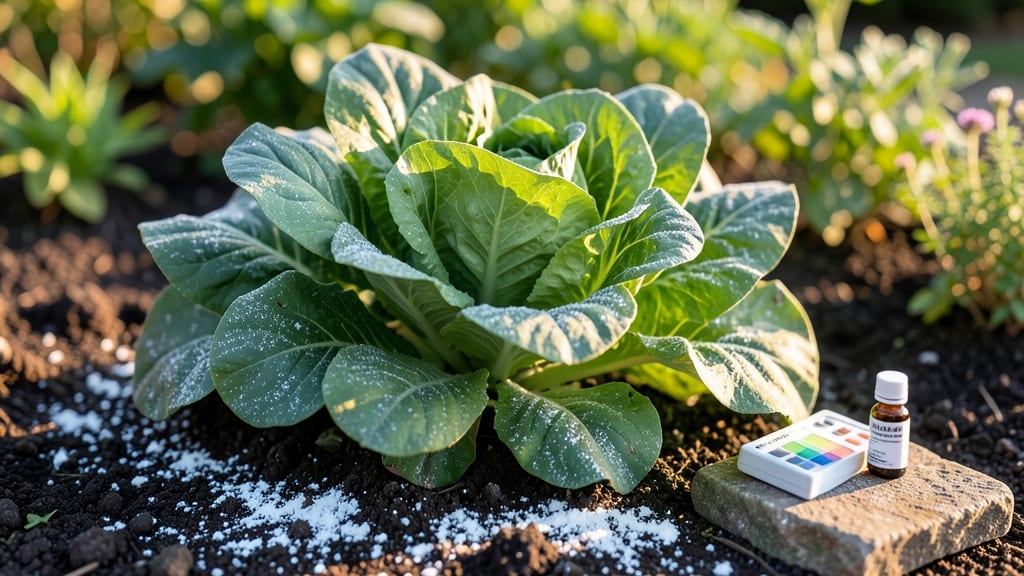
Using calcium carbonate in gardening effectively raises soil pH and reduces acidity, creating ideal conditions for acid-sensitive plants like azaleas and blueberries. For best results, spread 1–2 pounds per 100 square feet into the top 2–3 inches of soil, then retest pH after 4–6 weeks.
Calcium carbonate, often called garden lime, works by neutralizing acidic compounds in the soil through a simple chemical reaction.
When mixed into the earth, it reacts with hydrogen ions (H+) to form water and carbon dioxide, effectively reducing soil acidity. 🔥 Unlike other soil amendments, it doesn't add nutrients but focuses solely on pH adjustment, making it perfect for plants that struggle in overly acidic conditions.
The key is patience—it takes time to fully integrate into the soil, which is why retesting is crucial.
For practical application, I always recommend using a spreader for even distribution, especially in larger garden beds. A light dusting is better than heavy clumps, as this allows for more consistent contact with the soil particles.
Safety is simple: wear gloves and avoid breathing the powder, but beyond that, it's one of the gentler soil amendments available. Overdoing it can create alkaline conditions that harm other plants, so start conservatively and monitor your soil's response.
💡 In This Article
- How Calcium Carbonate Adjusts Soil pH Chemistry
- Best Practices for Applying Calcium Carbonate to Gardens
How calcium carbonate adjusts soil pH chemistry
When you add calcium carbonate (CaCO₃) to acidic soil, it triggers a chemical reaction called neutralization. The compound breaks down in water to form calcium ions (Ca²⁺) and bicarbonate (HCO₃⁻), which then react with hydrogen ions (H⁺) in the soil—those same ions that make soil acidic.
This reaction produces water and carbon dioxide, effectively removing H⁺ ions and raising the pH. Think of it like adding baking soda to vinegar: the acid and base cancel each other out, but here, the result is a more balanced soil environment. 🔥
The form you choose—granular or powdered—matters because it affects how quickly the reaction occurs. Granular calcium carbonate dissolves more slowly, providing long-term pH adjustment over months, while powdered versions act faster but may require more frequent reapplication.
For example, a 1-pound application of granules might raise pH by 0.5-1.0 units over 3-6 months, whereas powder could shift pH faster but risk localized overcorrection if not spread evenly.
The key is matching the form to your soil's needs: heavy clay benefits from granules, while sandy soils may need powder for quicker integration.
Compared to dolomitic lime (which contains magnesium), calcium carbonate focuses solely on pH adjustment without adding magnesium. This makes it ideal for soils already rich in magnesium but lacking calcium. For instance, blueberries need acidic soil (pH <5.5), but adding calcium carbonate won't help—it would worsen the problem.
Instead, use it for plants like lavender or rosemary, which thrive in slightly alkaline soil (pH 6.0-7.5). The difference lies in the chemical balance: dolomitic lime adds two nutrients (calcium + magnesium), while calcium carbonate is a pure pH regulator. ✨
Here’s what’s actually happening at a microscopic level: Soil acids (like aluminum or iron compounds) release H⁺ ions when pH drops. Calcium carbonate donates Ca²⁺ ions to bind with these acids, forming insoluble salts that precipitate out of the soil solution.
This process continues until the pH stabilizes or the calcium carbonate is fully consumed. The reaction is irreversible in the short term, meaning once applied, the pH shift is permanent unless you add more acid (like sulfur) later.
This makes timing critical—always test soil before applying to avoid overshooting your target pH.
One nuance is the role of soil moisture. Calcium carbonate needs water to activate, so dry soils may require pre-watering or repeated applications to ensure full reaction. In arid climates, granules are often the better choice because they dissolve gradually as rain or irrigation water penetrates.
Conversely, in humid regions, powdered forms can wash away before reacting, reducing effectiveness. The texture of your soil also plays a role: fine particles (like silt) react faster than coarse sand, which can trap granules and delay dissolution. 💫
For a real-world example, consider a garden bed with a pH of 5.0 where you want to grow hydrangeas (ideal pH: 6.0-6.5).
Applying 1.5 pounds of calcium carbonate per 100 square feet and mixing it into the top 2 inches of soil would neutralize about 60-70% of the acidity over 8 weeks. Retesting with a soil kit confirms whether you need a second application.
The granular form here would be ideal because it prevents sudden pH spikes that could stress plants.
What most gardeners don’t realize is that calcium carbonate doesn’t just raise pH—it also improves soil structure by adding calcium, which strengthens cell walls in plants and helps bind soil particles. This dual benefit explains why it’s a staple in organic gardening, even beyond pH correction.
The trade-off? It’s slower-acting than synthetic amendments like quicklime (calcium oxide), which reacts instantly but can burn plant roots. For safety and precision, calcium carbonate remains the gold standard. 🌟