
Tools
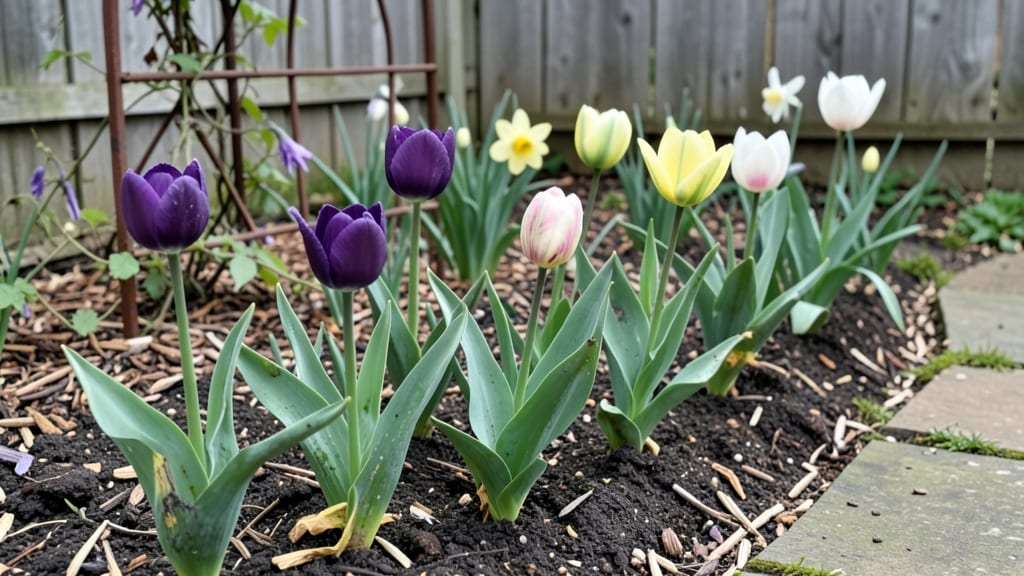
The Butchart Sunken Garden’s terraced layers feel like stepping into a living painting—where every season reveals a new masterpiece. 🌿 I’ve wandered its winding paths countless times, and the way the garden moves with the light and seasons never fails to amaze.
What makes it special isn’t just the plants, but how the design guides you through a visual journey, with each level offering its own mood and color palette.
The terraces themselves are the star, creating intimate spaces that feel both grand and cozy. Stone pathways wind between them, inviting you to linger, while the strategic planting ensures something’s always blooming—whether it’s spring’s pastel peonies or winter’s bold hellebores.
The trick is layering plants by height and bloom time, so no season feels bare. Even the structural elements, like the arched bridges and cascading water features, become part of the art.
You’ll leave with a head full of ideas for your own space, whether it’s a grand backyard or a small balcony. The key is working with what you have—maybe it’s a single raised bed or a sloped yard—then playing with elevation, texture, and seasonal contrasts.
Think of it as a garden that tells a story, one layer at a time.
Here’s the thing—you don’t need a sprawling estate to steal its magic. Start small: a single tiered planter or a staircase lined with trailing flowers. The Butchart Garden proves beauty thrives in layers, both literal and visual. Let’s break down how to bring that same whimsy home.
📚 In This Guide
- What you need
- Instructions
- Tips and common mistakes
- Wrapping up and next steps
What you need
- ● Soil & Amendments: Topsoil – 10-15 cubic yards (depending on garden size)
- ● Compost – 5-10 bags (for nutrient-rich planting beds)
- ● Peat moss or coconut coir – 2-3 cubic feet (for moisture retention)
- ● Plants (Year-Round Color): Perennials (e.g., Hellebores, Astilbes, Heucheras) – 12-20 plants
- ● Bulbs (e.g., Tulips, Daffodils, Alliums) – 50-100 bulbs
- ● Annuals (e.g., Pansies, Lobelia, Petunias) – 20-30 plants
- ● Evergreens (e.g., Boxwood, Holly, Ferns) – 8-12 plants
- ● Climbing plants (e.g., Clematis, Roses) – 4-6 plants
- ● Structural Elements: Retaining walls – Stone, brick, or timber (6-12 ft long, depending on terraces)
- ● Gravel or decorative stones – 2-3 bags (for pathways and drainage)
- ● Edging materials – Brick, metal, or plastic (20-30 ft)
- ● Shovel – 1 heavy-duty shovel
- ● Wheelbarrow – 1 (for transporting soil and plants)
- ● Garden trowel – 1 (for precise planting)
- ● Level – 1 (to ensure terraces are even)
- ● Measuring tape – 1 (50 ft)
- ● Pruners – 1 pair (for shaping plants)
- ● Garden hose with nozzle – 1 (for watering)
- ● Safety gear – Gloves, knee pads, and dust mask
- ● Mulch – 2-3 bags (to retain moisture and suppress weeds)
- ● Drip irrigation system – 1 (for automated watering)
- ● Garden lights – Solar-powered or low-voltage (for evening ambiance)
- ● Trellises or arbors – 1-2 (for vertical gardening)
- ● Decorative accents – Statues, benches, or garden art (for whimsical touches)
How to design a sunken garden with year-round color layers
This isn't about replicating Butchart exactly—it's about capturing its magic in your own space.
🪴 Step 1: Plan the Terraced Layout and Depth
Start by sketching your sunken garden design on paper, marking each terrace level. The Butchart Garden uses 3-5 distinct tiers to create visual depth, so aim for at least 3 levels in your space. Each terrace should be 12-18 inches deep to accommodate plants and allow for drainage. I like to use string lines and stakes to mark the edges before digging—this keeps your levels perfectly straight.
Measure the slope between terraces carefully. A gentle 6-8 inch drop between levels creates a natural, inviting look. Too steep, and maintenance becomes difficult; too shallow, and the terraces lose impact. Use a level tool to ensure each terrace sits perfectly horizontal before adding soil or plants.
🌿 Step 2: Build the Terraces with Retaining Structures
For each terrace, line the edges with pre-cast concrete blocks or natural stone (like the Butchart Garden's signature limestone). I recommend 12-inch tall blocks for the first tier and 18-inch blocks for lower levels to create a cascading effect. Stack them tightly, using gravel or crushed stone as a base for drainage—this prevents water from pooling and damaging roots.
Fill each terrace with 6-8 inches of amended soil. Mix equal parts topsoil and compost to ensure fertility, and add a 2-inch layer of sand at the bottom for drainage. Press the soil lightly but don’t compact it—roots need air to grow. Leave a 4-inch border around the edges for easy access when planting.
✂️ Step 3: Layer Plants for Seasonal Color Transitions
Divide your terraces into three distinct layers: tall perennials at the back, mid-height shrubs in the middle, and low-growing ground covers or annuals at the front. For year-round color, I plant evergreen shrubs (like boxwood or dwarf holly) at the base, spring bloomers (tulips or daffodils) in the middle, and summer/fall perennials (like coneflowers or black-eyed Susans) at the front.
Stagger planting times so blooms overlap. For example, plant crocuses in fall for early spring color, peonies in early spring for mid-season blooms, and sedum or asters in late summer for fall interest. The Butchart Garden’s magic comes from this layered approach—no bare spots, ever.
💧 Step 4: Install Irrigation and Mulch for Low Maintenance
Run drip irrigation lines along the back of each terrace, spacing emitters 12-18 inches apart to reach all plants. Bury the lines 2-3 inches deep to protect them from freezing and heat. Test the system before planting to ensure even water distribution—you don’t want dry pockets or soggy areas.
Cover the soil with 3-4 inches of mulch (like shredded bark or pine needles) to suppress weeds and retain moisture. Replenish mulch annually in early spring to keep the garden looking tidy. This step is non-negotiable—mulch is what keeps a sunken garden thriving with minimal effort.
☀️ Step 5: Add Focal Points and Pathways
Place a single statement plant (like a large ornamental grass or a small tree) in the center of the lowest terrace to draw the eye. The Butchart Garden uses tall, architectural plants to anchor each section—think ornamental grasses, tree ferns, or even a small conifer. Flank pathways with low-growing perennials (like ajuga or creeping thyme) to define walkways without blocking views.
Use stepping stones or gravel paths to connect terraces, keeping them 18-24 inches wide for easy access. Avoid wide paths—they can make the garden feel too open. Instead, opt for narrow, winding paths that encourage exploration, just like the original design.
Tips & tricks for perfect sunken garden terraces
Creating a sunken garden that stays vibrant all year takes a few key tricks that make all the difference. Here's what I've learned from years of designing terraced gardens inspired by Butchart's magic.
Terrace Depth and Slope: In Step 1, when planning your 12-18 inch deep terraces, remember that depth affects both drainage and plant selection. Deeper terraces (closer to 18 inches) work beautifully for larger shrubs and small trees, while shallower ones (12 inches) suit ground covers and smaller perennials. That 6-8 inch drop between levels is critical—any steeper, and you'll struggle with erosion or maintenance access. I always test the slope by walking down it; if it feels too abrupt, I adjust by adding more soil to the lower terrace.
Retaining Wall Stability: For Step 2, don't skimp on the gravel base under your retaining structures. I've seen many gardens fail when builders use just a thin layer—compact that gravel or crushed stone base to at least 4 inches deep before placing your blocks or stones. For the 18-inch blocks on lower levels, consider using a landscape adhesive between courses for extra stability, especially in rainy climates. The Butchart Garden's terraces have stood for over a century because they were built to last.
Soil Mixing Secrets: That 6-8 inches of amended soil in Step 2 needs proper preparation. I always mix in one-third perlite or vermiculite with my equal parts topsoil and compost to improve aeration. For clay-heavy soils, add coarse sand to break up compaction. And here's a pro tip: water your amended soil mixture before filling the terraces—this helps it settle evenly without leaving air pockets that could cause future sinking.
Plant Layering Strategy: In Step 3, when creating your three plant layers, think vertically as much as horizontally. The tallest plants should be placed 8-12 inches behind the terrace edge to prevent them from toppling forward. For the evergreen shrubs at the base, I recommend dwarf varieties like 'Blue Rug' juniper or 'Emerald Gaiety' boxwood—they stay compact but provide year-round structure. And don't forget to leave 6-8 inches of space between shrubs for airflow, which prevents fungal diseases.
Pro Tips for Butchart Sunken Garden
- Creating a sunken garden that stays vibrant all year takes a few key tricks that make all the difference.
- Terrace Depth and Slope: In Step 1, when planning your 12-18 inch deep terraces, remember that depth affects both drainage and plant selection.
- Retaining Wall Stability: For Step 2, don't skimp on the gravel base under your retaining structures.
Frequently asked questions
about the Butchart Sunken Garden—because every visitor deserves clarity before exploring this magical terraced wonder!What’s the best time of year to visit the Butchart Sunken Garden?
The garden is stunning year-round, but spring (March–May) and fall (September–November) offer peak colors—especially tulips and chrysanthemums. Summer (June–August) is lively with roses and nighttime light shows, while winter (December–February) transforms into a snowy fairy tale. Pro tip: Weekdays are less crowded than weekends!
Do I need to buy tickets in advance, or can I walk in?
While you can sometimes purchase tickets at the gate, buying online in advance (via the official site) guarantees entry and skips lines—especially helpful during peak seasons. Combination tickets (covering multiple gardens) are also a great value for a full day of exploration.
Is the Sunken Garden wheelchair accessible?
Yes! The garden features paved pathways and wheelchair-friendly ramps between terraces. Rentals are available on-site, and accessible restrooms are provided. For a smoother visit, check the accessibility guide beforehand.
Can I bring my dog to the Butchart Sunken Garden?
Dogs are not permitted in the Sunken Garden (or most of Butchart Gardens) to protect the plants and ensure safety for all visitors. However, a nearby dog-friendly area is available—just ask staff for details. Service animals are always welcome!
Are there guided tours, or is it self-explore only?
Both! While the garden is designed for self-exploration, guided tours (including themed walks and behind-the-scenes looks) are offered seasonally. Check the events calendar for schedules—some tours even include sunken garden secrets you’d miss alone!
What should I wear for a comfortable visit?
Dress in layers—mornings can be chilly, but terraces warm up quickly in the sun. Wear comfortable shoes (you’ll walk lots of stairs!) and bring sunscreen/hats for summer visits. A light jacket or scarf is handy for breezy days. No flip-flops!
Wrapping up and next steps
The Butchart Sunken Garden isn’t just a garden—it’s a masterpiece of nature’s artistry, where every season paints a new canvas of color and wonder. 🌸 From its meticulously designed terraces to the vibrant blooms that thrive year-round, this iconic landmark proves that beauty is timeless and accessible to all.
Whether you're a gardening enthusiast or simply seeking inspiration, this garden offers endless lessons in creativity and harmony.
Ready to bring a touch of Butchart’s magic to your own space? Start small—plant a single terrace of flowers or sketch a whimsical garden design. The first step is the most exciting!