
Landscaping
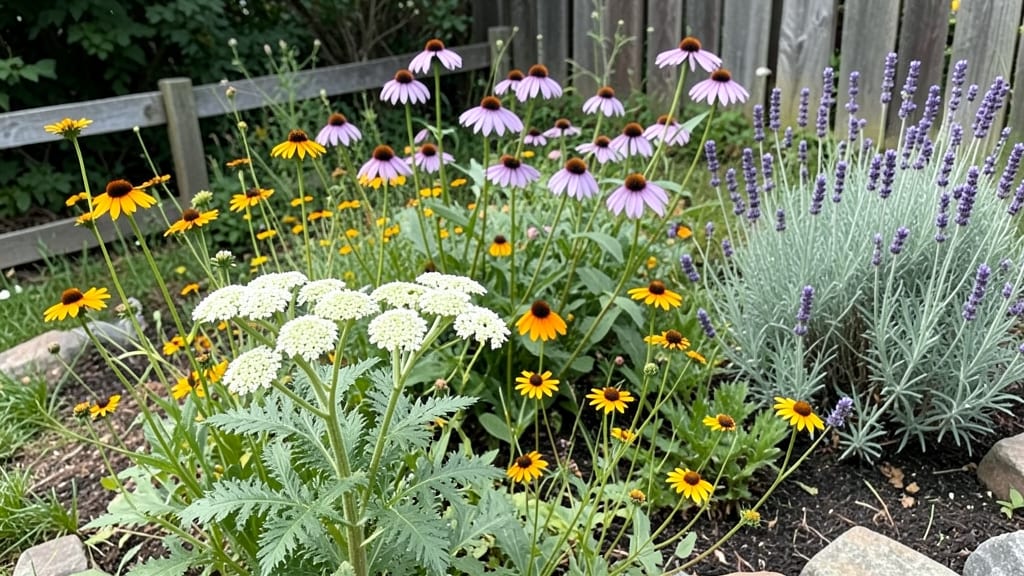
A wildflower garden design that buzzes with life all year isn’t just pretty—it’s a lifeline for bees, butterflies, and hummingbirds struggling to find food.
I’ve transformed my backyard from a patchy lawn into a pollinator magnet that blooms from early spring through frost, and the secret lies in layering plants by height, color, and bloom time.
The beauty of wildflowers is that they thrive with minimal fuss—no perfect rows or weekly deadheading.
Start with native species adapted to your region (they’re low-maintenance and support local wildlife), then group them in three height zones: tall grasses and sunflowers at the back, mid-height coneflowers and black-eyed Susans in the middle, and low-growing clovers and phlox up front.
This creates depth and keeps the garden lively as some plants fade and others take over.
By late summer, you’ll have a garden that hums with activity—bees sipping from purple coneflowers, monarchs fluttering through goldenrod, and fireflies lighting up the evening. The soil stays healthy with fewer weeds, and you’ll spend less time watering because these plants know how to survive.
The real magic happens when you step back and watch nature take over.
This design works in meadow-style plantings, structured beds, or even container gardens on patios. Whether you have full sun or partial shade, there’s a wildflower mix that will thrive. Let’s get your garden buzzing with color and life—without the work of a traditional flower bed.
📚 In This Guide
- What you need
- Instructions
- Tips and common mistakes
- Wrapping up and next steps
What you need
- ● Wildflower seeds: Choose native varieties (e.g., Echinacea, Coneflower, Black-Eyed Susan, Milkweed) for pollinator appeal. Aim for 1–2 lbs per 100 sq ft.
- ● Native soil amendments: Compost or well-rotted manure (1–2 inches) to improve drainage and fertility.
- ○ Mulch (optional but recommended): Straw or wood chips (2–3 inches) to retain moisture and suppress weeds.
- ● Drip irrigation or soaker hoses: For consistent watering (especially in dry climates). 1/4-inch tubing works well.
- ● Garden fork or tiller: For loosening soil (rent or borrow if needed).
- ● Rake: A bow rake for leveling soil and a leaf rake for cleanup.
- ● Hand trowel or transplanting tool: For planting seeds or small plugs.
- ● Measuring tape or string: To mark garden beds (especially for layered designs).
- ● Wheelbarrow or bucket: For hauling soil, mulch, or tools.
- ○ Pruners (optional): Sharp bypass pruners for trimming spent blooms.
- ● Sunlight assessment: Wildflowers thrive in full sun (6+ hours/day)—pick a south-facing spot if possible!
- ○ Soil test (optional but helpful): Check pH (most wildflowers prefer 6.0–7.5). Local extension offices offer free tests.
- ● Pollinator-friendly zone: Avoid pesticides! Opt for neem oil or soapy water sprays for pest control.
- ● Layering plan: Sketch your design with tall grasses (back), mid-height perennials (middle), and low ground covers (front).
Instructions for designing a pollinator-friendly wildflower garden
Creating a thriving wildflower garden isn’t just about tossing seeds and hoping for the best—it’s about layering plants for continuous blooms and buzzing visitors.
Choose Your Garden’s Sun and Soil Conditions
First, walk your space and note where sunlight hits hardest and where it lingers in shade. Most wildflowers thrive in full sun (6+ hours daily), but some native species like blue-eyed grass or wild columbine do well in partial shade. Test your soil by grabbing a handful—if it clumps tightly when wet, amend with 2 inches of compost to improve drainage. Sandy soil? Mix in 1 inch of organic matter to retain moisture.
I always sketch a rough layout, marking sun/shade patterns and noting any slopes or low spots where water collects. This helps me group plants with similar needs together, ensuring no area feels neglected. Avoid compacted soil—wildflowers hate it. If your ground is hard, loosen the top 6 inches before planting.
Select a Mix of Early, Mid, and Late Bloomers
For year-round beauty, blend wildflowers that bloom at different times. Start with early spring bloomers like bloodroot or wild ginger to kick off the season, then add summer stars like black-eyed Susan or coneflower, and finish with fall favorites such as goldenrod or asters. This keeps nectar available for pollinators from March through October without gaps.
I like to include 3-5 varieties per season to avoid monoculture and attract diverse pollinators. Check seed packets for bloom times—some wildflowers, like lupine, take 2 years to flower, so plan accordingly. Pro tip: Include native species—they’ve evolved with local pollinators and require less maintenance.
Create Layers for Texture and Pollinator Appeal
Design your garden in three layers: tall grasses and shrubs (like switchgrass or buttonbush) for the back, mid-height perennials (such as purple coneflower or bee balm) in the middle, and low-growing ground covers (like creeping thyme or clover) up front. This mimics natural ecosystems and gives pollinators multiple landing spots at different heights.
Leave 10-15% of the space bare or covered with mulch—bees and butterflies need open areas to forage and lay eggs. I also avoid neat, manicured edges; instead, I let some plants spill naturally to create wild, inviting pathways for pollinators. Group 3-5 plants of each type in clusters to make them more visible to bees and butterflies.
Plant and Maintain for Long-Term Success
Sow seeds in early spring or fall when soil temperatures are 50-65°F. Scatter them lightly over prepared soil—most wildflowers don’t need deep planting. Lightly rake the surface to cover seeds with ¼ inch of soil or mulch. Water gently but deeply once a week for the first 4-6 weeks to encourage root growth, then taper off as plants establish.
Once established, wildflowers are drought-tolerant, but newly planted seeds need consistent moisture. Avoid fertilizers—wildflowers thrive in lean soil. Instead, top-dress with compost annually in early spring. Mow once a year in late winter to remove dead growth and encourage fresh shoots. Let some seed heads stand through winter—they provide food for birds and shelter for beneficial insects.
Monitor and Adjust for Pollinator Success
After 6-8 weeks, check for signs of life—tiny sprouts or new leaves mean your garden is taking hold. Watch for pollinator activity: bees buzzing, butterflies flitting, or hummingbirds hovering. If you notice few visitors, add more nectar-rich flowers like milkweed (for monarchs) or lavender (for bees). If the area looks sparse, reseed bare spots in fall with a mix of native wildflowers.
I keep a simple journal noting which flowers attract the most pollinators and which seem to struggle. Over time, I adjust by adding more of the winners or swapping out underperformers. Patience is key—some wildflowers take 2-3 years to reach full bloom, but the payoff is worth it for a thriving, self-sustaining garden.
Tips & tricks for designing a pollinator-friendly wildflower garden
Here's how to turn your garden into a buzzing paradise without the guesswork.
Soil Preparation is Key: Before planting, consider a soil test from your local extension office—this tells you exactly what amendments your wildflowers need beyond the basic 2 inches of compost. I've found that adding a handful of bone meal at planting time gives native species a little extra phosphorus boost for strong root development. Just work it into the top 6 inches of loosened soil where you'll be planting.
Seasonal Layering Strategy: When selecting your 3-5 varieties per season, prioritize plants that bloom at different times within each season. For example, in summer, pair black-eyed Susan (which blooms mid-summer) with coneflower (late summer) to ensure continuous nectar. I also recommend including at least one "filler" plant like creeping thyme that blooms early in the season to provide immediate color and pollinator appeal.
Pollinator-Friendly Edging: The 10-15% bare space you leave isn't just for aesthetics—it creates essential foraging corridors for bees and butterflies. I like to edge these areas with small rocks or gravel to prevent soil erosion while maintaining that natural, slightly wild look. This also prevents grass from encroaching and competing with your wildflowers for nutrients.
Watering Wisdom: That first 4-6 weeks of weekly watering is critical, but don't drown your seeds. Aim for about 1 inch of water per week—enough to moisten the top 2-3 inches of soil without creating puddles. I use a rain gauge or tuna can to measure water depth, and always water in the early morning to reduce evaporation and fungal risks.
Pro Tips for Wildflower Garden Design
- Here's how to turn your garden into a buzzing paradise without the guesswork.
- Soil Preparation is Key: Before planting, consider a soil test from your local extension office—this tells you exactly what amendments your wildflowers need beyond the basic 2 inches of compost.
- Seasonal Layering Strategy: When selecting your 3-5 varieties per season, prioritize plants that bloom at different times within each season.
Frequently asked questions
How do I start a wildflower garden on a budget?
Skip pricey nursery plants! Collect seeds from local wildflowers (check for invasives first), trade with gardening groups, or buy in bulk from reputable suppliers. Pro tip: Native seed mixes are cost-effective and support local ecosystems. Even a small patch—like a window box or roadside strip—can make a difference!
When’s the best time to plant wildflowers for year-round blooms?
For spring bloomers, sow seeds in late fall (they’ll germinate with winter rains). Summer/fall varieties thrive when planted in early spring. Succession planting (staggering seeds every 4–6 weeks) ensures continuous color. Check your USDA zone for local timing tweaks!
Will wildflowers attract pests like ticks or mosquitoes?
Not necessarily! Wildflowers repel pests by disrupting their life cycles (e.g., ticks avoid tall grasses and diverse plantings). Mosquitoes prefer stagnant water—keep your garden dry and add milkweed or bee balm, which attract beneficial predators. Problem areas? Add garlic chives or marigolds as natural deterrents.
Can I mix wildflowers with vegetables or perennials?
Wildflowers like borage or calendula deter pests and improve soil. Plant them in border rows around veggie beds or as living mulch between perennials. Just avoid invasive species (e.g., Himalayan blackberry) that could outcompete your crops.
What do I do if my wildflowers don’t bloom the first year?
Patience is key! Many perennials (like coneflowers) focus on root growth first. Annuals may need thin soil—amend with compost. Troubleshoot:
- Check sunlight: Most wildflowers need 6+ hours/day.
- Water deeply but infrequently (overwatering = weak blooms).
- Deadhead spent blooms to encourage reblooming.
Are there wildflower alternatives for urban or small spaces?
Yes! Try:
- Container gardens: Lavender, snapdragons, or portulaca in pots.
- Vertical gardens: Trellis morning glories or clematis on fences.
- Roof gardens: Lightweight sedum or wild bergamot for green roofs.
- Mini-meadows: 4’x4’ plots with native grasses and clover.
Wrapping up and next steps
Designing a wildflower garden isn’t just about beauty—it’s about creating a thriving ecosystem that supports pollinators and brings joy year-round! 🌸 By layering native plants, prioritizing pollinator-friendly blooms, and embracing seasonal variety, you’ll craft a space that’s both stunning and sustainable.
Start small, experiment with textures and colors, and watch your garden transform into a buzzing haven for bees, butterflies, and birds.
Ready to dive in? Sketch your first design today—grab a notebook, visit a local nursery for native seeds, and let your creativity (and the pollinators!) guide you. Every wildflower planted is a step toward a greener, more vibrant world. 🌿✨