
Container Gardens
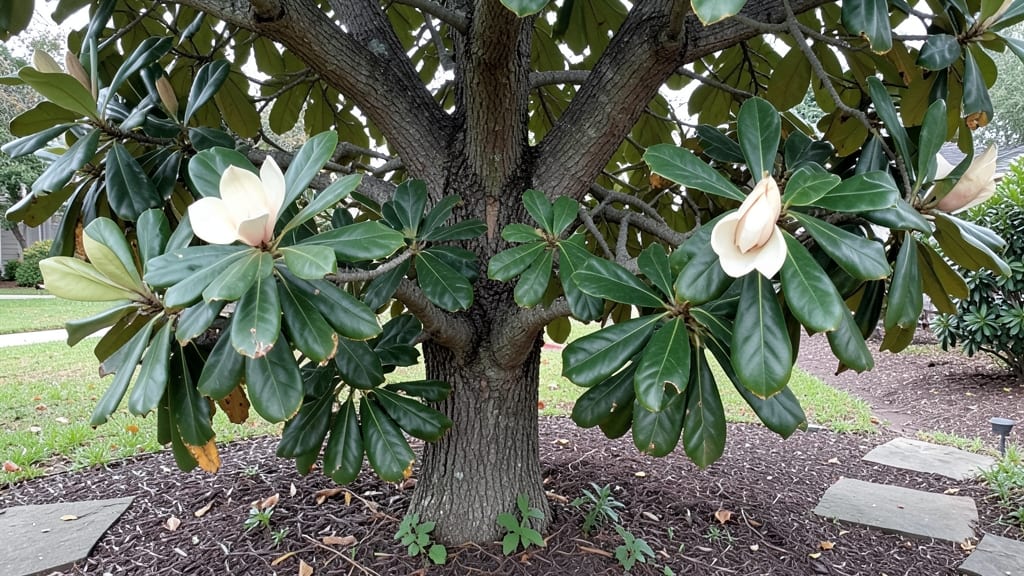
The botanical gardens in Fort Bragg feature stunning native Carolina plants, rare orchids, and themed gardens like the Japanese Pavilion and Rose Garden, all free for military families and open to the public during seasonal hours.
The gardens stand out for their ecological impact, showcasing over 50 native species that thrive in the region's climate. 🌿 From the delicate blooms of Carolina silverbell to the striking pitcher plants, these plants not only beautify the space but also support local wildlife.
The themed gardens, like the serene Japanese Pavilion, offer cultural immersion while blending seamlessly with the natural surroundings. Visitors often discover hidden gems like the butterfly garden, which attracts pollinators year-round.
For those planning a visit, timing matters—spring and fall bring peak blooms, while summer offers lush greenery. Military families enjoy free access, while the public pays a small fee. The gardens also feature accessible pathways and shaded picnic areas, making them perfect for family outings or quiet reflection.
💡 In This Article
- Exploring Fort Bragg’s Native Plant Collections
- Visitor Guide: Hours, Accessibility, and Best Seasons
Exploring fort Bragg’s native plant collections
Fort Bragg’s botanical gardens serve as a living laboratory for native Carolina flora, carefully curated to preserve the region’s ecological heritage. The gardens host over 50 species of indigenous plants, including Carolina silverbell (Halesia carolina), whose delicate white bell-shaped flowers bloom in early spring.
These plants aren’t just ornamental—they’re vital components of the local ecosystem, providing food and habitat for pollinators like bees and butterflies. The gardens’ design mimics natural succession, with each plant strategically placed to support others, creating a self-sustaining biodiverse haven. 🌸
The pitcher plants (Sarracenia spp.), a carnivorous species native to the Southeast, are one of the most fascinating examples. These plants thrive in the boggy areas of the garden, using their distinctive pitcher-shaped leaves to trap insects, supplementing their nutrient needs in the poor soil.
Visitors can observe their vibrant red and green hues up close, while learning how they’ve adapted to thrive in wet, acidic conditions. Meanwhile, black-eyed Susans (Rudbeckia hirta) add bold yellow blooms from summer to fall, attracting birds and beneficial insects with their nectar-rich flowers.
Conservation efforts here go beyond aesthetics—the gardens act as a gene bank for native species threatened by habitat loss. Staff and volunteers propagate rare plants like the Franklin tree (Franklinia alatamaha), a critically endangered species once thought extinct, now rebounding thanks to careful cultivation.
Seasonal blooms create a dynamic experience: spring brings wild azaleas and dogwoods, while fall showcases goldenrod and asters. The gardens also host educational programs teaching visitors about plant identification and ecological relationships. 🌿
What makes these collections particularly valuable is their role in supporting pollinators. The butterfly garden section, for instance, features milkweed for monarchs and nectar plants for swallowtails, demonstrating how native gardens can combat declining pollinator populations.
Studies show that native plant gardens can increase butterfly species diversity by up to 40% compared to non-native landscapes. The gardens’ success lies in their ability to balance beauty with function, proving that conservation and enjoyment can go hand in hand.
For those interested in the science behind these plants, the gardens offer interpretive signs explaining each species’ ecological niche. The Carolina silverbell, for example, plays a crucial role in early spring pollination when few other flowers are in bloom.
Its timing coincides with the emergence of native bees, creating a perfect mutualistic relationship. Meanwhile, pitcher plants demonstrate evolutionary adaptations that have developed over millennia to thrive in nutrient-poor environments. These details bring the gardens to life beyond their visual appeal. ✨
The seasonal transformations here are a testament to nature’s cycles. In spring, the air fills with the sweet fragrance of wild honeysuckle, while summer brings the rustling of monarch wings.
Fall’s golden hues create a warm palette that transitions into winter’s quiet beauty with evergreen shrubs like inkberry holly. Each season offers a new perspective on how these plants interact with their environment and each other.