
Vegetables
Understanding the Boise garden zone reveals it spans USDA Hardiness Zones 6b to 7a, where winter lows dip between -5°F and 5°F (-21°C to -15°C). This range shapes which plants can survive Idaho’s capital’s seasonal extremes, from resilient perennials to water-wise annuals.
The Boise garden zone's classification isn't just about numbers—it reflects the city's unique climate quirks. 🌿 With 2,600–3,000 feet elevation, Boise enjoys warmer days than nearby valleys but cooler nights, creating microclimates where some plants thrive in spots others struggle.
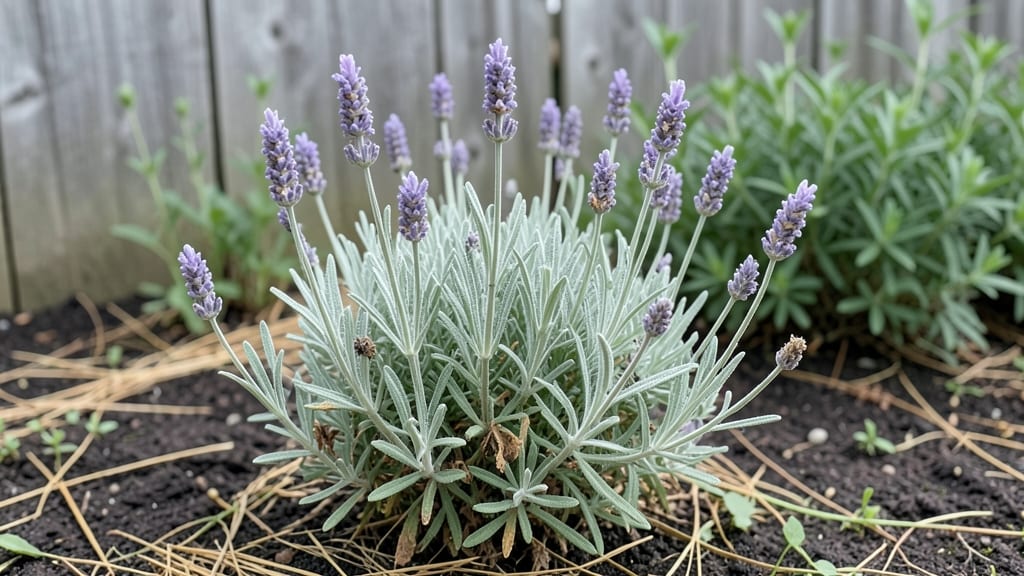
This explains why you might see thriving lavender in one yard while a neighbor's roses freeze—location matters! The 120–150 frost-free days mean smart gardeners use row covers or mulch to coax extra growing seasons from heat-loving veggies like tomatoes.
What sets Boise apart is how its zone bridges two hardiness categories. While Zone 6b plants handle -5°F lows, Zone 7a's upper limit of 5°F lets you experiment with marginally warmer-loving species.
This flexibility is why Russian sage and drought-tolerant sunflowers become garden staples—both handle the region's low humidity and intense summer sun while still surviving winter's chill.
💡 In This Article
- Understanding Boise’s USDA Zone 6b-7a Climate Factors
- Best Plants for Boise’s USDA Zones 6b-7a Gardens
Understanding Boise’s USDA Zone 6b-7a climate factors
Boise's elevation of 2,600–3,000 feet creates a unique climate puzzle. The higher altitude means summer days can hit 95°F+ while nights drop to 50°F, creating rapid temperature swings that stress some plants.
This "thermal belt" effect—warmer than valleys but cooler than mountain peaks—explains why Boise's growing season stretches longer than nearby Zone 5 areas like Mountain Home, which gets 100 fewer frost-free days annually.
The city's 120–150 frost-free days give gardeners a narrow window to grow heat-loving crops like peppers, which need 90+ days of warmth.
Microclimates add another layer of complexity. South-facing slopes can be 5°F warmer than north exposures, creating pockets where Zone 7 plants might survive winters that would kill them in open fields.
Urban heat islands near downtown push nighttime lows 3°F higher than rural areas, while the Boise River greenbelt creates its own humidity microclimate that benefits moisture-loving plants like hostas.
These variations mean a Zone 6b plant like Russian sage might thrive in your yard while struggling just a mile away. 🌡️
The real challenge comes from Boise's arid climate—average annual rainfall sits at just 12 inches, forcing gardeners to choose drought-tolerant species.
Unlike Zone 7 areas to the south (like Nampa), where irrigation is more forgiving, Boise's low humidity and intense UV radiation mean plants need both cold hardiness AND water efficiency.
This explains why xeric perennials like lavender and yarrow dominate local gardens—they handle both winter's -5°F dips and summer's 100°F+ heat waves with minimal water.
Seasonal extremes create another critical factor: the 10–12 week window between last spring frost (typically April 15) and first fall frost (October 15) requires precise timing.
Unlike Zone 7's more predictable growing season, Boise's variable spring rains can delay planting by weeks, while sudden September heatwaves might push tomatoes to maturity before frost arrives.
This variability is why local gardeners swear by row covers and mulch—they can extend the season by 2–3 weeks at either end.
Comparing Boise to neighboring zones reveals key differences. Zone 5 areas (like McCall) experience 15–20°F colder winters, making them unsuitable for Zone 6b plants like butterfly bush or Russian olive.
Meanwhile, Zone 7's 5°F warmer winters allow marginally tender plants like olive trees to survive, though they may need winter protection.
The 10°F difference between Boise's extremes and Zone 7's milder winters explains why you'll see more citrus trees in Nampa than in Boise's downtown—those -5°F dips would kill them outright. 🌱
What most gardeners don't realize is how Boise's soil composition interacts with these climate factors. The region's loamy soils (mix of sand, silt, and clay) drain well but retain enough moisture for drought-resistant plants, while calcareous deposits from the nearby mountains create alkaline conditions that favor lupines and penstemons.
This soil-climate combo is why native grasses like blue grama thrive here—they've evolved to handle both the dry summers and freeze-thaw cycles of Zone 6b winters.