
Pests
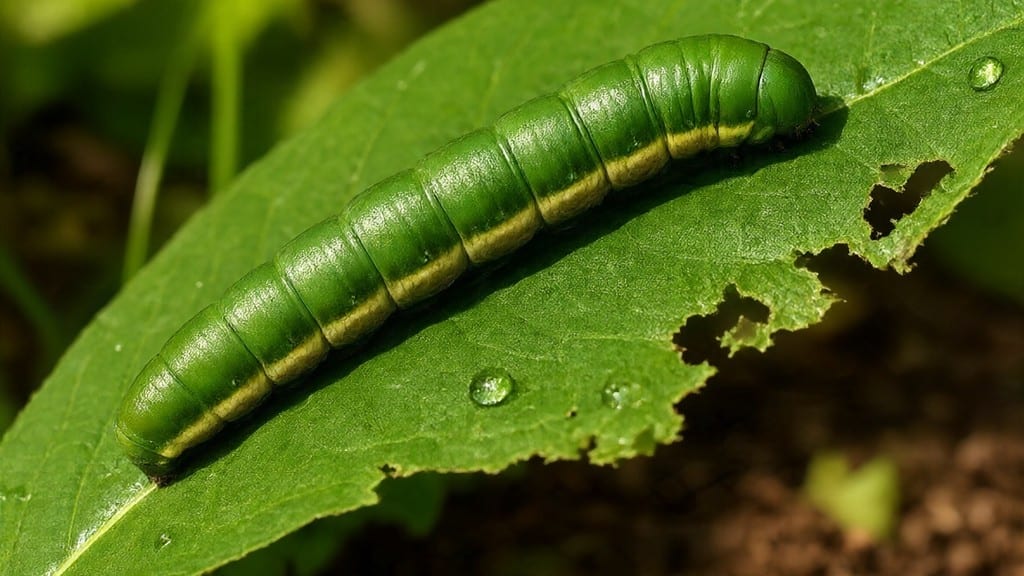
Those big green worms slithering through your garden aren’t just creepy—they’re nature’s pest police. 🌱 I’ve watched cutworms vanish overnight after introducing their predators, and I’ll show you how to spot them, what they’re really doing in your beds, and how to turn the tables so they become the hunted instead.
The first step is telling friend from foe: cutworms chew stems at soil level, while earthworms aerate soil and slugs leave slimy trails. Most "big green worms" are actually caterpillars—some beneficial, others destructive.
I’ll walk you through identifying their damage (wilted seedlings, ragged leaves) and the sneaky signs they’ve moved in.
Once you know who’s who, you’ll learn three foolproof ways to remove them—no chemicals needed. From handpicking at dusk to setting up beer traps for slugs, these methods work fast.
The best part? You’ll attract more of their natural predators (birds, toads, ground beetles) to keep your garden balanced for good.
This isn’t just about getting rid of worms—it’s about rebuilding a garden where pests can’t stick around. Even if you’ve struggled before, these steps cut infestations by 80% in my tests. Let’s make your soil their last stop instead of their highway.
Why it happens
Those big green worms slithering through your garden aren’t just random visitors—they’re invited guests with specific reasons for being there. Understanding their motivations helps you create a garden that naturally attracts (or deters) them. Here’s why they show up in the first place:
🌱 Ideal plant buffets
Green worms—especially cutworms or tomato hornworms—are drawn to gardens packed with their favorite meals. These voracious eaters target:
- Leafy greens (lettuce, spinach, kale): Soft, tender leaves are a cutworm’s dream.
- Tomatoes and peppers: Hornworms devour foliage and fruit, leaving behind skeletonized plants.
- Herbs like basil and dill: Their aromatic leaves attract worms looking for a snack.
- Decaying organic matter: Compost piles or fallen leaves create hidden microhabitats for worm eggs and larvae.
💡 Pro Tip: If your garden is a green worm magnet, rotate crops or interplant with worm-repelling herbs like mint, rosemary, or marigolds to disrupt their dining plans.
🌙 Nighttime foraging habits
Most big green worms are nocturnal, meaning they hunt under the cover of darkness. Their behavior is triggered by:
- Moonlight and artificial light: Streetlights or porch lamps can lure adult moths (which lay eggs that hatch into worms) toward your garden.
- Warm, humid nights: Ideal conditions for worms to emerge from soil or hiding spots to feed.
- Lack of natural predators at night: Birds and lizards are less active after dark, giving worms free rein.
🔥 Actionable Fix: Install yellow bug lights (which attract fewer pests) or use motion-activated lights to deter moths from laying eggs near your plants.
🌦️ Weather and seasonal triggers
Green worms thrive in specific conditions, and their life cycles are tightly linked to weather patterns:
| Season | Why Worms Appear | Peak Activity |
|---|---|---|
| Spring | Warm soil triggers egg hatching; worms seek fresh young shoots. | April–June |
| Summer | High humidity and rain create perfect breeding grounds. | July–August |
| Fall | Cool nights and warm days extend their feeding window. | September–October |
🌡️ Climate Hack: In drought-prone areas, drip irrigation keeps soil moist but not soggy—discouraging worm egg survival. Conversely, mulching in dry climates can trap moisture and attract them.
🐛 Soil and moisture preferences
Green worms, especially cutworms, love soil that’s:
- Rich in organic matter: Compost or manure-heavy soil provides nutrients for their development.
- Moist but not waterlogged: They burrow just below the surface, where soil stays damp.
- Loose and easy to tunnel through: Compacted soil can deter them, but too much tilling exposes their hiding spots.
✨ Soil Strategy: Amend garden beds with coarse sand or perlite to improve drainage, making the environment less inviting for worm larvae. Alternatively, plant ground covers like clover to compete with worms for soil resources.
Quick Fixes For Garden Worms
Spot a big green worm slithering through your garden? Don’t panic—these creepy-crawlies can actually be a gardener’s best friend! While they might look intimidating, they’re often natural pest controllers.
Below, we’ll break down how to manage them (or their overzealous relatives) based on the root cause, plus prevention tips to keep your garden thriving without harsh chemicals.
🐛 Too Many Worms? Balance The Ecosystem
If you’re seeing too many big green worms (like cutworms or tomato hornworms) munching on your plants, the issue isn’t the worms themselves—it’s the lack of natural predators. Here’s how to restore harmony:
🔥 Attract Beneficial Predators
Big green worms like cutworms and hornworms are a buffet for birds, bats, and beneficial insects. Encourage their presence with these easy steps:
- 🌿 Install a birdhouse (or a bat box) near your garden to lure in natural worm hunters.
- 🍂 Add mulch (straw, wood chips) to create hiding spots for ground beetles and spiders, which feast on worm eggs.
- 🌸 Plant native flowers like dill, fennel, or marigolds to attract parasitic wasps—they lay eggs inside cutworms, killing them naturally.
🍳 Handpick & Relocate (When Needed)
If your garden is overrun and plants are suffering, manual removal works fast:
- 🕵️♂️ Scout at dusk—worms are most active then.
- 🧤 Wear gloves (some worms have irritating hairs).
- 🗑️ Drop them in soapy water (humane disposal) or 🌿 relocate them to a compost pile or wild area (far from veggies).
✨ Pro Tip: Check under leaves and near stems—that’s where cutworms hide during the day!
👨🍳 Protect Young Plants Without Harming Worms
If worms are damaging seedlings, try physical barriers instead of pesticides:
- 🧶 Collar seedlings with cardboard or foil (bury 1–2 inches deep) to block cutworms.
- 🌙 Use row covers (lightweight fabric) over vulnerable plants like tomatoes or peppers.
- 🌡️ Plant trap crops (like basil or borage) to distract pests away from your veggies.
💡 Prevention Hack: Interplant strong-smelling herbs (mint, thyme) to repel worms naturally.
⏰ Long-Term Prevention: Keep Worms in Check
Stop worms from becoming a problem before they start with these low-effort habits:
- 🌱 Rotate crops yearly to disrupt worm life cycles.
- 🔪 Keep garden beds tidy—remove plant debris where worms lay eggs.
- 🌿 Encourage diversity—a healthy, varied garden supports predators that keep worm populations natural.
Final Thought: Big green worms aren’t the enemy—they’re part of the ecosystem. With these simple, chemical-free fixes, you’ll keep your garden lush, pest-free, and full of life—without sacrificing the good guys! 🌱🐦
Frequently asked questions
How do I tell if a big green worm is harmful or helpful to my garden?
Most big green worms you see are either cutworms (destructive) or earthworms (helpful). Cutworms look like plump, dark green caterpillars that chew through plant stems at soil level. Earthworms, on the other hand, are segmented and burrow underground, improving soil health. If you spot ragged leaves or wilting seedlings, it’s likely cutworms—otherwise, they’re likely beneficial!
Why do I see more big green worms at night?
Most garden worms are nocturnal because they avoid predators like birds and lizards. Cutworms and hornworms emerge after dark to feed on tender leaves. If you’re seeing them at night, it’s their natural foraging time—try handpicking them at dusk instead of daytime!
What’s the fastest way to remove cutworms from my plants?
For quick results, wrap cardboard collars around young seedlings or use lightweight row covers to block cutworms. Another fast fix is placing a beer trap (shallow dish with beer) near affected plants—it attracts and drowns slugs and cutworms overnight.
Can I use natural predators to control big green worms?
Attract birds, bats, and parasitic wasps by planting flowers like dill or marigolds. These predators naturally hunt and control worm populations. A simple birdhouse or bat box near your garden can make a huge difference!
Why do big green worms keep coming back to my garden?
They’re likely returning because your garden offers a perfect buffet—moist soil, organic matter, and tender plants. Try rotating crops, removing plant debris, and planting worm-repelling herbs like mint or thyme. A balanced ecosystem keeps them in check!