
Tools
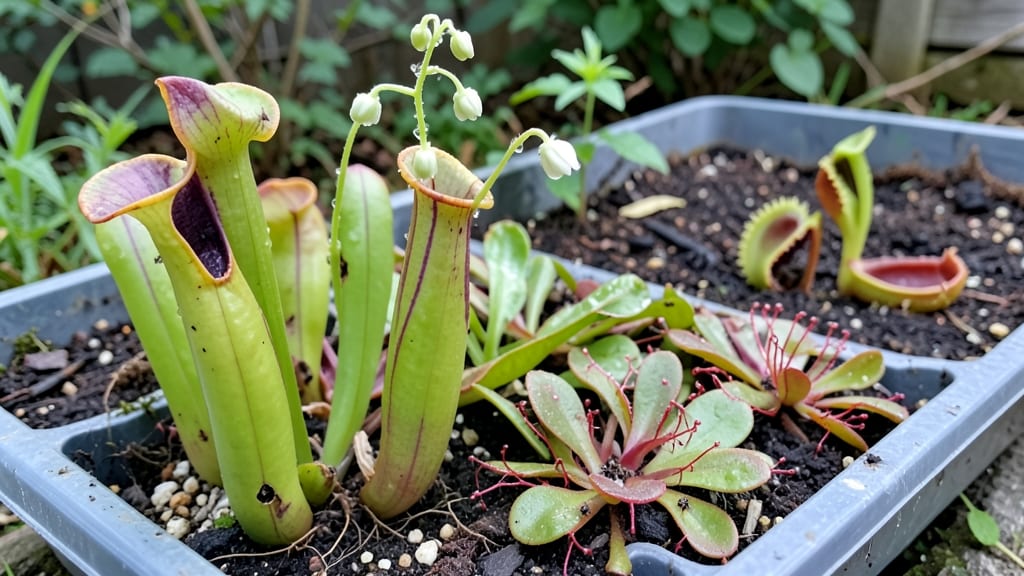
A carnivorous bog garden turns your yard into a natural mosquito trap and a jaw-dropping conversation piece. 🌿 I’ve watched Venus flytraps snap shut on gnats and pitcher plants drown mosquitoes—it’s like a sci-fi movie in your own backyard.
The secret lies in recreating their waterlogged, nutrient-poor habitat, which is easier than you’d think.
You’ll need a shallow container (12–18 inches deep), peat moss, perlite, and distilled water—no fancy equipment. Pitcher plants, sundews, and butterworts thrive here, while the bog keeps weeds and pests at bay.
The setup takes under an hour, and once established, it’s nearly self-sufficient. Just add rainwater or distilled water occasionally, and watch your plants grow.
Imagine a lush, velvety green mat of plants that actually eat insects—no chemicals, no sprays, just nature’s own pest control. Your bog will attract hummingbirds and butterflies too, creating a mini ecosystem that’s both functional and stunning. The best part? It works year-round in zones 5–9 with minimal upkeep.
Perfect for shady corners, balconies, or even a repurposed bathtub. Here’s how to get started without overcomplicating it—your first flytrap will be snapping shut in just weeks.
📚 In This Guide
- What you need
- Instructions
- Tips and common mistakes
- Wrapping up and next steps
What you need
- ● Growing Container: Plastic or ceramic pot (10–15" deep) with drainage holes or
- ● Shallow tray or bog garden kit (12" x 18" minimum)
- ● Growing Medium: Sphagnum peat moss (50% of mix)
- ● Perlite or coarse sand (30%)
- ● Pine bark or fir bark (20%)
- ● Carnivorous Plants: Pitcher plants (Nepenthes or Sarracenia)
- ● Venus flytraps (Dionaea muscipula)
- ● Sundews (Drosera)
- ● Tools: Trowel or small shovel
- ● Spray bottle (for misting)
- ● pH testing kit (4.0–6.0 range)
- ● Distilled or rainwater (1–2 gallons)
- ● Decorative rocks or pebbles (for aesthetics)
- ● Humidity dome or greenhouse (for tropical species)
- ● Slow-release fertilizer (for nutrient-poor soil)
- ● Insect traps (to attract prey for plants)
Step-by-Step instructions for building a thriving carnivorous bog garden
Here's how I create the perfect acidic, waterlogged haven for meat-eating plants that'll keep your space mosquito-free.
🪴 Step 1: Select and Prepare the Perfect Container
Choose a container that's at least 12 inches deep with drainage holes—carnivorous plants need their roots submerged in water, not sitting in soggy soil. I use a 5-gallon plastic tub with a lid to prevent debris from falling in. Drill additional holes along the sides if needed to ensure proper aeration.
The container must be non-reactive—avoid metal or treated wood that could leach chemicals. Place a 1-inch layer of coarse gravel at the bottom for drainage. This prevents root rot by keeping the water moving and oxygenated. Rinse the gravel thoroughly before adding it to remove any dust or fine particles that could clog the drainage.
💧 Step 2: Create the Ideal Acidic, Waterlogged Medium
Fill the container with a mix of 50% peat moss and 50% perlite or coarse sand. This combination mimics the bog conditions these plants evolved in. Wet the mix until it's saturated but not dripping—you want it to hold water like a damp sponge. Carnivorous plants thrive in water with a pH between 4.5 and 5.5, so avoid tap water unless you've tested it.
If your water is alkaline, use rainwater or distilled water instead. I like to add a handful of sphagnum moss on top—it helps maintain humidity and provides a natural habitat for the plants. Press the mix down lightly so it's firm but still allows water to penetrate easily. The surface should be just below the rim of the container to prevent overflow when watering.
☀️ Step 3: Plant Your Carnivorous Species Strategically
Start with 4-6 plants, spacing them 3-4 inches apart to allow room for growth. Place taller species like pitcher plants at the back and shorter ones like sundews or butterworts in the front. I always plant mine in a slight mound so the leaves are above the waterline—this ensures they can catch prey effectively while still having their roots submerged.
Gently press the soil around each plant to secure it without compacting it too much. The roots should be covered but not buried deeply—most carnivorous plants prefer to have their crowns at or just above the soil surface. Water the plants thoroughly after planting to help settle the soil and remove any air pockets around the roots.
🌿 Step 4: Maintain the Perfect Bog Environment
Keep the container filled with water so the soil is always saturated but not submerged—think of it like a perpetually damp bog. Top off the water as needed, using only rainwater or distilled water to maintain the acidic conditions. Place the container in a location with bright, indirect light—direct sun can scorch the leaves, while too little light will cause the plants to become weak and leggy.
Feed your plants only when you see them actively catching prey—overfeeding can harm them. I like to add a few live gnats or small fruit flies to the container occasionally, but never use commercial fertilizer. These plants are self-sufficient hunters, and too much nitrogen will actually harm their ability to digest prey. Watch for signs of stress like yellowing leaves or slow growth, which usually means the water pH or light conditions need adjustment.
⏰ Step 5: Monitor and Adjust Seasonally
In warmer months, you may need to water more frequently as evaporation increases. I check the moisture level by pressing my finger into the soil—if it feels dry ½ inch down, it's time to add more water. During winter, reduce watering slightly, but never let the soil dry out completely. Carnivorous plants can go dormant in cold weather, but they still need consistent moisture.
Every 3-4 months, top off the soil with a fresh mix of peat moss and perlite to replenish nutrients. This also prevents the buildup of minerals from the water, which can make the soil less acidic over time. If you notice algae growing on the water surface, skim it off immediately—it can deplete oxygen levels and harm the plants. With the right care, your bog garden will thrive and keep those pesky mosquitoes at bay naturally.
Tips & tricks for perfect carnivorous bog gardens
Creating a thriving carnivorous bog garden takes more than just planting—it's about replicating the precise conditions these plants evolved to thrive in. Here are the secrets I've learned to keep my bog garden lush and mosquito-devouring.
Container Selection Matters: While a 5-gallon plastic tub works perfectly, consider adding a small water pump to create gentle circulation in Step 1. This mimics natural bog conditions and prevents stagnant water that can lead to root rot. If using a different container, ensure it has at least 12 inches of depth—shallower containers won't provide enough water retention for these moisture-loving plants. I've seen gardeners use repurposed fish tanks with great success, just be sure to remove any metal fixtures that could leach chemicals.
Soil Mix Precision: In Step 2, the 50/50 peat moss to perlite/sand ratio is crucial—but don't just eyeball it. Weigh your components if possible, as volume measurements can vary dramatically. For even better moisture retention, I add a 10% sphagnum moss to the mix (in addition to the handful on top). This helps maintain that perfect damp sponge consistency while providing extra nutrients. The key is creating a medium that holds water but still allows oxygen to reach the roots.
Lighting Strategy: Step 4 mentions bright, indirect light, but here's what I've found works best: Position your bog garden about 3-4 feet from an east-facing window for morning sun, then move it to indirect light by midday. If using artificial grow lights, LED bulbs with a color temperature of 6500K provide the right spectrum. Too much direct sun causes leaf burn, while insufficient light leads to weak, leggy growth that can't effectively catch prey.
Seasonal Maintenance Hack: The 3-4 month soil refresh mentioned in Step 5 is perfect, but I've developed a simple test to know when it's needed. Simply press your finger into the soil—if it feels compacted or smells musty, it's time for a refresh. During winter dormancy, I reduce watering to every 10-14 days, checking that the top ½ inch remains moist. This prevents the soil from becoming waterlogged and anaerobic, which can suffocate the roots.
Pro Tips for Carnivorous Bog Garden
- Creating a thriving carnivorous bog garden takes more than just planting—it's about replicating the precise conditions these plants evolved to thrive in.
- Container Selection Matters: While a 5-gallon plastic tub works perfectly, consider adding a small water pump to create gentle circulation in Step 1.
- Soil Mix Precision: In Step 2, the 50/50 peat moss to perlite/sand ratio is crucial—but don't just eyeball it.
Frequently asked questions
Got questions about creating your own carnivorous bog garden?
Here are answers to the most common ones—so you can dive in with confidence!
What’s the best time of year to start a carnivorous bog garden?
Spring or early summer is ideal! Most carnivorous plants (like sundews and pitcher plants) thrive in warm, wet conditions with 6-8 hours of sunlight daily. Avoid planting in late fall or winter, as they’re dormant in colder months. If you’re in a mild climate, late spring is your best bet—just ensure the soil stays consistently moist.
How do I keep my bog garden from drying out?
Carnivorous plants need constant moisture—think of it like a mini swamp! Use a shallow water source (like a rainwater-fed tray or drip system) to maintain 1-2 inches of standing water in the bog. Peat moss or sphagnum helps retain humidity, and a clear lid or greenhouse cover can trap moisture in hot climates. Pro tip: Check water levels weekly—evaporation is their #1 enemy!
Will my bog garden attract pests like mosquitoes?
Actually, it might reduce them! Pitcher plants and sundews devour mosquitoes and gnats—just what you want. However, stagnant water can still breed pests, so keep the water moving slightly (a small fountain or bubbler helps) and avoid overcrowding plants. If pests persist, add a few mosquito-eating fish (like guppies) to the water feature nearby.
Can I grow carnivorous plants indoors without a bog?
Yes, but with limitations! Small terrariums or deep trays with a water reservoir work for sundews, butterworts, or Venus flytraps. Use long-daylight LED grow lights (12+ hours) and sterilized soil mixes (peat + perlite). Larger plants (like pitcher plants) need outdoor space—they’re heavy drinkers and need humidity. Pro tip: Keep indoor temps between 60–85°F for best results.
Why are my carnivorous plants turning yellow or dying?
Yellowing leaves usually mean overwatering, poor drainage, or nutrient overload. Carnivorous plants hate fertilizers—they get nutrients from bugs! Check for:
- Root rot: Ensure the bog has no standing water deeper than 2 inches.
- Mineral buildup: Use rainwater or distilled water only.
- Sunburn: Gradually acclimate plants to full sun.
If the issue persists, repot in fresh peat-perlite mix and trim dead leaves.
Wrapping up and next steps
Creating a carnivorous bog garden is a fascinating way to blend nature’s wild side with your green thumb!
These meat-eating plants aren’t just unique—they’re functional, naturally controlling pests like mosquitoes while adding a touch of intrigue to your space. 🌿🦟 With the right setup and a little patience, you’ll have a thriving, self-sustaining ecosystem that’s as rewarding as it is unusual.
Ready to take the next step? Start small—pick one or two species to experiment with, then expand as you gain confidence. Before you know it, your bog garden will be the talk of the neighborhood! Happy planting! 🌱✨