
Tools
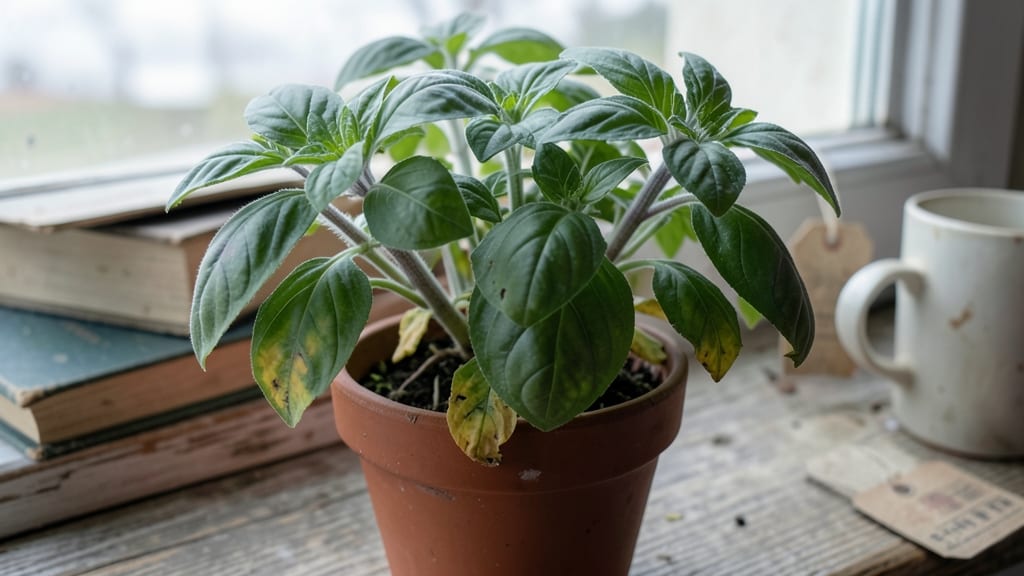
A beginner herb garden doesn’t need fancy tools or a green thumb—just a sunny spot and a few easy-to-grow plants like basil, mint, or parsley. I started mine on my kitchen windowsill with just three pots and some potting mix, and now I’m snipping fresh herbs for cooking all summer.
The secret is keeping it simple: no complicated layouts, no mysterious fertilizers, just plants that forgive mistakes.
You’ll need 5-10 square feet of space, a few small containers (or a raised bed if you prefer), and basic tools—a trowel, gloves, and a watering can. Sunlight is the only non-negotiable: 6+ hours of direct light per day keeps herbs happy.
For soil, a mix of potting soil and compost gives them the nutrients they need without fuss. And here’s the best part: most herbs thrive in 5-6 inch pots, so even a tiny balcony or windowsill works.
By mid-summer, you’ll have lush, fragrant plants ready to harvest. The basil will smell like a summer afternoon, the mint will spread just enough to fill your garden with coolness, and the parsley will stay crisp for months.
The best part? You’ll save money and always have fresh herbs on hand—no more wilted bunches from the grocery store. Let’s get those plants growing!
This works whether you’re in an apartment, a suburban yard, or a rural homestead. The same principles apply: start small, choose forgiving plants, and keep it simple. You’ll be harvesting in 6-8 weeks, and your confidence will grow right along with your herbs. Ready to give it a try?
📚 In This Guide
- What you need
- Instructions
- Tips and common mistakes
- Wrapping up and next steps
What you need
- ● Herb Seeds or Seedlings: 3–5 starter plants (basil, parsley, chives, mint, or thyme are foolproof picks!).
- ● Containers: 5–10-inch pots (or a window-box kit) with drainage holes. Pro tip: 💡 Repurpose yogurt cups or old mugs!
- ● Potting Soil: 1–2 bags of organic, well-draining mix (avoid garden soil—it’s too dense!).
- ● Watering Can or Spray Bottle: A 1–2 gallon can with a gentle rose nozzle works best.
- ○ Fertilizer (Optional but Helpful): A balanced liquid fertilizer (like 10-10-10) or organic compost.
- ● Hand Trowel: A small, ergonomic one for planting and soil adjustments.
- ● Pruning Shears: Sharp scissors to trim herbs and encourage growth.
- ○ Gloves (Optional): Lightweight gardening gloves to protect hands from soil.
- ○ Sunlight Meter (Optional): To check if your spot gets 4–6 hours of sunlight daily.
- ● A sunny spot (balcony, windowsill, or backyard—herbs thrive on light!).
- ● Patience (herbs grow fast, but consistency is key!).
- ● Basic watering routine (keep soil moist but not soggy—overwatering is the #1 killer!).
Instructions for your first zero-fuss herb garden
Here’s how to plant and maintain a thriving herb garden that requires minimal effort.
Choose the Right Containers and Soil
Start with containers that are at least 6 inches deep and have drainage holes—herbs hate soggy roots. I recommend using 4-6 inch pots for each plant since they’ll grow quickly. Fill each pot with 2-3 inches of potting mix, leaving about an inch of space at the top for watering. Press the soil down gently to remove air pockets, but don’t compact it too tightly—herbs need loose soil for strong root growth.
If you’re planting directly in the ground, choose a sunny spot with well-draining soil. Amend the soil with a 2-inch layer of compost to improve fertility and drainage. Herbs like basil and parsley thrive in loose, airy soil, so avoid heavy clay. You’ll know the soil is ready when it crumbles easily when squeezed in your hand.
Plant Your Herbs Correctly
For container gardening, plant one herb per pot to prevent competition. Dig a hole twice as wide as the root ball and place the plant so the top of the root ball sits just below the soil line. Gently firm the soil around the roots to remove air gaps, then water thoroughly until it drains from the bottom. If you’re planting seeds, follow the packet instructions for depth—usually ¼ inch deep—and space them 1-2 inches apart for herbs like basil or parsley.
For ground planting, space herbs 12-18 inches apart to allow airflow and prevent disease. Herbs like rosemary and thyme need more room to spread, so give them extra space. Water the soil before planting to help roots settle in quickly. You’ll see new growth within 7-10 days, signaling that your herbs are taking root.
Water and Feed for Healthy Growth
Water your herbs deeply once a week, allowing the top 1-2 inches of soil to dry out between waterings. Overwatering is the biggest mistake beginners make—herbs like basil and parsley prefer slightly dry soil over soggy conditions. Use a watering can with a narrow spout to direct water at the base of the plant and avoid wetting the leaves, which can cause fungal issues.
Feed your herbs with a balanced liquid fertilizer every 4-6 weeks during the growing season. Dilute it to half-strength to avoid burning the plants. You’ll notice stronger stems and more vibrant leaves within a few weeks. If you’re using organic methods, a compost tea works just as well and adds beneficial microbes to the soil.
Provide Light and Prune Regularly
Most herbs need 6-8 hours of sunlight daily, so place your containers in the sunniest spot you have. If you’re growing indoors, position them near a south-facing window or use a grow light for 12-14 hours a day. You’ll see leggy growth if they’re not getting enough light—this is a sign to move them closer to the light source or supplement with artificial lighting.
Pinch off the top sets of leaves when your herbs reach 6 inches tall to encourage bushier growth. Regular pruning also keeps herbs from flowering too quickly, which can make them taste bitter. Harvest leaves in the morning after the dew has dried—this is when their flavor is strongest. You’ll have fresh herbs ready for cooking in just 4-6 weeks!
Tips & tricks for perfect beginner herb garden
Starting an herb garden shouldn't feel overwhelming—these simple tricks will help you avoid common pitfalls and keep your plants thriving with minimal effort.
Container Selection: While 4-6 inch pots work well, consider using self-watering containers if you tend to forget watering days. These pots have built-in reservoirs that keep soil consistently moist without overwatering. For herbs like rosemary and thyme that prefer drier conditions, add an extra inch of gravel at the bottom before adding soil to improve drainage.
Soil Preparation Tip: When amending your soil with compost, mix it thoroughly with the existing soil rather than just adding a top layer. This ensures even distribution of nutrients throughout the root zone. For container gardening, you can also create your own lightweight mix by combining equal parts potting soil, perlite, and compost—this improves aeration while retaining moisture.
Planting Depth: The rule of thumb for planting seeds at ¼ inch deep works well, but for herbs like basil that have delicate seeds, you can press them gently into the soil rather than burying them. This helps them stay in contact with the soil while still receiving adequate light for germination. Keep the soil consistently moist (not soggy) during the first 7-10 days until you see new growth.
Light Management: If you're growing herbs indoors near a south-facing window, rotate your containers every few days to ensure even light exposure. This prevents plants from leaning toward the light source. For grow lights, position them 6-12 inches above the plants and adjust the height as they grow—closer for seedlings, farther away as they mature. You'll notice more compact, bushier growth when light is properly managed.
Pro Tips for Beginner Herb Garden
- Starting an herb garden shouldn't feel overwhelming—these simple tricks will help you avoid common pitfalls and keep your plants thriving with minimal effort.
- Container Selection: While 4-6 inch pots work well, consider using self-watering containers if you tend to forget watering days.
- Soil Preparation Tip: When amending your soil with compost, mix it thoroughly with the existing soil rather than just adding a top layer.
Frequently asked questions
Got questions?
Starting a beginner herb garden is exciting, but it’s natural to have doubts. Here are answers to the most common ones to help you grow with confidence!
What’s the easiest herb for a beginner to grow?
Basil, parsley, and chives are the top picks for newbies! They’re hardy, fast-growing, and forgiving. Mint is another great option—just plant it in a container to keep it from spreading too much. Start with 2-3 herbs to avoid overwhelm.
How long does it take for herbs to grow enough to harvest?
Most herbs are ready in 4-8 weeks, but it depends on the type:
- Fast growers: Cilantro (3-4 weeks), dill (4-6 weeks)
- Moderate pace: Basil (6-8 weeks), parsley (8-10 weeks)
- Slow but steady: Rosemary and thyme (8-12 weeks)
Harvest lightly to encourage bushier growth—don’t take more than ⅓ of the plant at once!
How often should I water my beginner herb garden?
Herbs hate soggy roots but also can’t handle drought. Water when the top inch of soil feels dry—usually every 2-3 days in warm weather. Containers dry out faster than garden beds, so check them daily. Morning watering is best to prevent fungal issues.
Can I grow herbs indoors without sunlight?
Yes! Use a south-facing windowsill (6+ hours of light daily) or a grow light (12-16 hours/day). Herbs like basil and parsley thrive indoors, while rosemary and thyme prefer brighter conditions. Rotate pots weekly for even growth. Low-light herbs? Try chives or mint—they’re the most adaptable!
What do I do if my herbs get bugs or yellow leaves?
Yellow leaves often mean overwatering or nutrient deficiency. Trim affected leaves and adjust watering. For pests:
- Soft-bodied bugs (aphids, mites): Spray with soapy water (1 tsp mild soap + 1 quart water).
- Fungus gnats: Let the topsoil dry between waterings.
- Prevention: Space plants for airflow and avoid wetting leaves when watering.
Most issues are fixable—don’t let them stress you out!
Wrapping up and next steps
Starting a beginner herb garden is simpler than you think—with the right plants, tools, and a little patience, you’ll soon be harvesting fresh flavors for your kitchen! 🌱 Whether you’re working with pots, a small plot, or even a sunny windowsill, these zero-fuss herbs will reward you with lush growth and aromatic success. Don’t forget: consistency is key—water, sunlight, and love are all your plants need to thrive.
Ready to take the next step? Start small—pick one or two herbs to grow first, then expand as you gain confidence. Before you know it, you’ll be snipping fresh basil for pasta or mint for tea, all thanks to your very own green thumb! 🌿