
Container Gardens
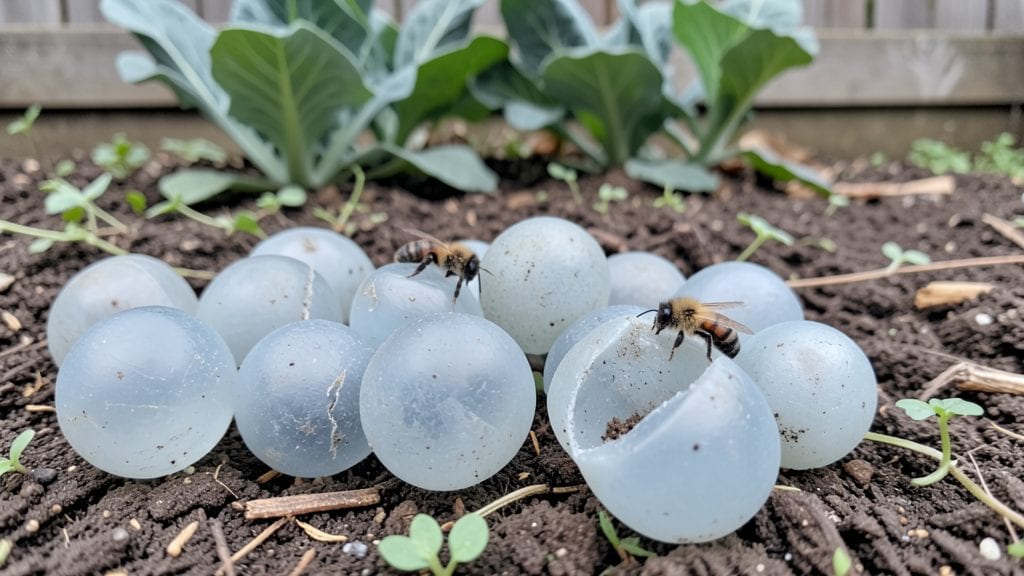
A bee drinking garden ball turns your balcony into a lifesaving oasis for thirsty pollinators. 🌿 These simple, shallow water sources give bees a safe place to sip without drowning—something they desperately need in urban areas where natural sources vanish.
I’ve watched bees visit mine every afternoon, their wings glistening as they drink from the tiny wells carved into the ball’s surface.
The best part? You don’t need fancy tools or skills to set one up. A hollowed-out stone, a shallow dish with pebbles, or even a DIY clay ball with drilled holes works perfectly.
Place it near nectar-rich plants like lavender or borage, and you’ll create a pollinator hotspot that thrives in just a few square feet. Even renters with tiny patios can make a difference.
Beyond the ecological win, these water features add a touch of whimsy to your space. The way bees cluster around the ball—tiny, industrious lives pausing to hydrate—feels like hosting a secret gathering.
Your garden becomes a stage for nature’s unsung heroes, and the sight of them at work is oddly satisfying.
Works year-round in mild climates, though you’ll need to refill weekly during dry spells. Pair it with drought-tolerant bee-friendly flowers, and you’ve got a self-sustaining ecosystem that even skeptical neighbors will admire. Let’s get those bees drinking safely!
Why Bees Seek Water Sources
If you’ve spotted bees gathering around your garden ball—or any water feature—there’s a simple, science-backed reason behind their behavior. Bees, like all living creatures, need hydration to survive, especially during warm or dry periods. Their quest for water isn’t random; it’s a carefully evolved survival strategy.
Below, we break down the key reasons why bees are drawn to your garden ball and other water sources in your container garden.
Bees are cold-blooded insects, meaning their body temperature is heavily influenced by their environment. When temperatures rise, bees must cool down to prevent overheating—especially during midday foraging. Here’s how your garden ball helps:
- Evaporative Cooling: Bees often sip water and then carry it back to their hive or nest. As the water evaporates from their bodies, it creates a cooling effect, similar to how humans sweat. This process is critical for maintaining their optimal body temperature of 95°F (35°C).
- Direct Hydration: Bees lose moisture through respiration and activity. Drinking from your garden ball replenishes their fluids, ensuring they stay hydrated and active. Dehydrated bees become sluggish, reducing their efficiency as pollinators.
- Behavioral Adaptation: Studies show bees prefer shallow water sources because they can drink without drowning. A garden ball’s textured surface provides safe landing spots and easy access to water.
Pro Tip: 💡 If you notice bees struggling to access water, consider adding a small pebble or floating cork to your garden ball. This creates a "bees’ drinking fountain," giving them a stable platform to perch on while they hydrate.
Water isn’t just for thirst—it’s also a vital component of a bee’s diet and hive maintenance. Here’s how your garden ball plays a role:
- Nectar Dilution: Bees collect nectar from flowers, but pure nectar is too concentrated to store in honeycomb. They dilute it with water to create honey, a process that requires 10-15 trips to a water source per trip to flowers. Your garden ball serves as a convenient stopover.
- Brood Food Production: Bees use water to create "bee bread," a mixture of pollen and nectar that feeds their larvae. Without adequate hydration, they can’t produce enough food for their colony.
- Hive Humidity Control: Bees actively regulate the humidity in their hive to prevent mold and maintain egg viability. They bring water back to the hive to adjust moisture levels, especially in arid climates.
Fun Fact: 🐝 Some bee species, like Megachile (leafcutter bees), even use water to seal their nests! They mix mud and water to create a watertight barrier around their larvae, protecting them from predators and extreme weather.
Modern landscapes—especially urban or container gardens—often lack the natural water sources bees rely on. Here’s why your garden ball might be their only option:
| Natural Source | Why It’s Disappearing | How Garden Balls Help |
|---|---|---|
| Puddles | Urbanization replaces natural ground with pavement, eliminating standing water. | Garden balls provide a consistent water source that doesn’t dry up overnight. |
| Rivers and Streams | Pollution and development reduce access to clean water bodies. | Container gardens with water features offer safe, chemical-free hydration. |
| Morning Dew | Droughts and synthetic lawns reduce dew formation. | Garden balls retain moisture longer than soil, mimicking dew’s availability. |
| Flower Nectar | While nectar provides sugar, it lacks the water content bees need for survival. | Bees supplement nectar with water from your garden ball to balance their diet. |
Actionable Tip: 🌱 If you live in a dry climate, place your garden ball in a shady spot to slow evaporation. This ensures bees have access to water even during heatwaves. Pair it with drought-resistant pollinator-friendly plants like lavender or borage to create a self-sustaining ecosystem.
By understanding these needs, you’re not just providing a water source—you’re creating a critical lifeline for bees in your container garden. Next, we’ll explore how to optimize your garden ball to make it an even more attractive (and safe) spot for pollinators.
Fixing Your Bee-Friendly Garden Setup
Now that you understand why bees might be drawn to your garden ball, let’s tackle the solutions—humane, practical, and easy to implement. Whether it’s attracting too many visitors or ensuring they stay safe, these fixes will help you create the perfect pollinator haven without stress.
If your garden ball is becoming a bee hotspot (and you’d prefer a gentler flow), tweak what’s drawing them in.
🔥 Reduce Water Sources (If Needed)
Bees love water, but if your setup is too enticing, scale back slightly:
- Use a shallow dish (like a saucer) instead of a deep bowl—bees can drown in deep water.
- Add pebbles or marbles to the water’s surface so bees can perch safely while drinking.
- Limit watering times to early morning or late evening when bees are less active.
🌿 Balance Flower Power
If your garden ball is a bee buffet, dilute the feast:
- Mix flower types—include some bee-friendly blooms (like lavender or borage) alongside less attractive plants (e.g., marigolds).
- Space out nectar sources—plant a few flowers in other pots or garden beds to spread out the traffic.
- Avoid over-fertilizing—rich soil can produce too many flowers, overwhelming your setup.
If bees seem stuck or stressed, your design might need adjustments.
🔧 Modify the Garden Ball Structure
- Add drainage holes (if not already present) to prevent waterlogging, which can trap bees.
- Use lightweight, breathable materials—avoid dense plastic that can trap heat and stress bees.
- Elevate the ball slightly (on a stand or bricks) so bees can land and take off easily.
🌞 Optimize Placement
- Avoid shady spots—bees prefer sunlight but need shade to escape midday heat.
- Position near flying paths—place the garden ball where bees can land and depart without obstacles.
- Keep it away from windy areas—strong breezes can make takeoff difficult for exhausted bees.
Once your setup is bee-friendly, keep it that way with minimal effort.
💡 Regular Maintenance Checklist
- Weekly water checks—refill shallow dishes but avoid overfilling.
- Trim dead flowers—remove spent blooms to encourage new growth (and reduce bee congestion).
- Inspect for pests—aphids or mites can stress bees, so keep your garden healthy.
🌱 Long-Term Humane Design Tips
- Plant bee houses—add a small insect hotel nearby for solitary bees to nest.
- Avoid pesticides—even "bee-safe" sprays can harm pollinators over time.
- Rotate plants seasonally—keep nectar available year-round by swapping out flowers as they fade.
Pro Tip: 🎯 If you want more bees, lean into it! A thriving garden ball is a sign your setup is working. Just ensure they have safe access, water, and food—and you’ll have a buzzing, beautiful balcony oasis. 🐝✨
Frequently asked questions
What materials can I use to make a DIY bee drinking garden ball?
You can use natural materials like hollowed-out stones, terracotta pots with pebble-filled wells, or even a shallow dish with marbles. Avoid smooth plastic surfaces—bees need textured spots to land safely. For a rustic look, try a clay ball with drilled holes (¼-inch diameter) or a coconut shell filled with pebbles.
How often should I refill the water in my garden ball?
Check and refill every 2-3 days in warm weather, or weekly during cooler months. Use rainwater or distilled water if possible—chlorine in tap water can harm bees. Keep the water level shallow (½ inch deep) to prevent drowning, and add pebbles for safe landing spots.
Will a garden ball attract bees even if I don’t have flowers?
Yes, but bees will visit more frequently if you add nectar-rich plants like lavender, borage, or sunflowers nearby. Without flowers, they’ll still drink, but the garden ball becomes a lifeline during droughts. Pair it with a small patch of herbs (like thyme) to create a mini pollinator ecosystem.
Can I use a garden ball in winter?
In mild climates, yes! Bees are active year-round when temperatures stay above 50°F (10°C). In freezing areas, bring the ball indoors or use a heated saucer (like a shallow birdbath with a solar-powered heater) to prevent freezing. Avoid placing it where snow or ice could trap bees.