
Vegetables
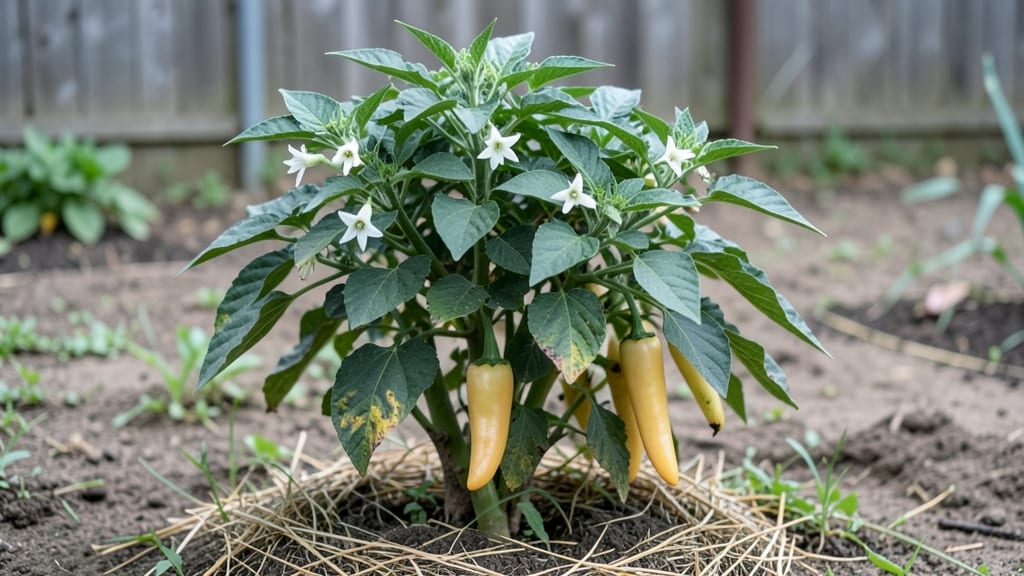
Growing banana peppers in your garden is the secret weapon for adding sunshine-yellow heat to your dishes—no backyard required. 🌱 I’ve turned my balcony into a mini pepper factory, and these crisp, tangy peppers are easier to grow than you’d think, even in containers as small as 5-gallon pots.
The trick starts with well-draining soil and a spot that gets at least 6 hours of sunlight daily. Whether you start with seeds (which take 3-4 weeks to germinate) or transplants (ready to go in 6-8 weeks), banana peppers thrive with consistent moisture but hate soggy roots.
A balanced fertilizer every 4-6 weeks keeps them productive all season long.
By midsummer, you’ll be snipping clusters of peppers that turn from green to yellow as they ripen. They’re milder than jalapeños but pack enough kick to spice up salsas, pickles, or even homemade hot sauce.
The best part? One plant can produce enough for a year’s worth of cooking—if you can resist eating them fresh off the vine.
Works in pots, raised beds, or small garden plots—just give them room to sprawl and watch them multiply. Ready to grow your own heat? Let’s get started with the foolproof steps that’ll have you harvesting in no time.
📚 In This Guide
- What you need
- Instructions
- Tips and common mistakes
- Wrapping up and next steps
What you need
- ● Banana pepper seeds or seedlings: Choose disease-resistant varieties like 'Early Jolt' or 'Carolina Wonder' (3-5 plants for a small harvest).
- ● Containers or garden bed: Containers: 5-gallon pots or larger (1 plant per container). Ensure they have drainage holes.
- ● Garden bed: Full sun (6+ hours/day) and well-draining soil.
- ● Potting mix: Lightweight, well-draining mix (e.g., 60% potting soil + 40% perlite or compost).
- ● Fertilizer: Balanced, water-soluble fertilizer (10-10-10 or organic options like fish emulsion).
- ● Stakes or cages: 3-4 ft tall to support plants as they grow.
- ● Watering can or hose with a gentle spray nozzle.
- ● Mulch (straw or shredded leaves) to retain moisture.
- ● Epsom salt (1 tbsp per gallon of water) for magnesium boosts.
- ● Row covers (for early-season frost protection).
- ● Pruning shears to encourage bushier growth.
Step-by-step instructions for growing banana peppers in containers
Here’s how to grow sweet, crunchy banana peppers in small spaces—no yard needed.
🌱 Step 1: Choose the Right Containers and Fill with Soil
Banana peppers need room to spread, so use 5-gallon containers with drainage holes. I like fabric pots because they prevent root circling and let excess water escape. Fill each container with 3 gallons of well-draining potting mix—banana peppers hate soggy roots. Mix in 1 cup of compost per container to give them a nutrient boost right from the start.
Press the soil down gently until it’s firm but not compacted. You want roots to find air pockets easily. Add a slow-release fertilizer (like 1 tablespoon per container) to keep plants fed for weeks. Water the soil until it’s damp but not dripping, then let it sit for an hour before planting.
🌿 Step 2: Plant Seeds or Transplants at the Right Depth
If starting from seeds, plant 2-3 seeds per container at a depth of ¼ inch. Cover lightly with soil—don’t bury them too deep, or they’ll struggle to sprout. Keep the soil warm (70-80°F) for best germination, which usually takes 7-14 days. If using transplants, dig a hole deep enough to bury the plant up to its first set of leaves.
Thin seedlings to 1 strong plant per container once they’re 2-3 inches tall. Snip the weaker ones at the base with clean scissors—don’t pull, or you’ll disturb the roots of the remaining plant. Water gently after thinning to help the soil settle around the roots.
☀️ Step 3: Provide Full Sun and Consistent Watering
Banana peppers thrive in 6-8 hours of direct sunlight daily. Place containers on a sunny patio, balcony, or near a south-facing window. If you’re growing indoors, supplement with a grow light kept 6-12 inches above the plants for 12-14 hours per day. You’ll know they’re getting enough light when leaves stay dark green and compact.
Water when the top inch of soil feels dry. Stick your finger in the soil—if it’s dry past your first knuckle, it’s time to water. Avoid wetting the leaves to prevent disease. Mulch with 1 inch of straw or shredded leaves to keep moisture in and weeds out.
✂️ Step 4: Prune and Fertilize for Bigger Harvests
When plants reach 12 inches tall, pinch off the tips to encourage bushier growth. This helps more peppers form instead of just one long stem. Remove any yellow or diseased leaves immediately—banana peppers are sensitive to fungal issues. Use pruning shears to make clean cuts just above a leaf node.
Feed plants every 4-6 weeks with a balanced liquid fertilizer (like 10-10-10) diluted to half strength. You’ll see stronger stems and more peppers when you keep them fed. Harvest peppers when they’re 3-4 inches long and bright yellow or green—don’t wait too long, or they’ll turn bitter.
🌱 Step 5: Extend the Season with Care
Banana peppers are frost-sensitive, so bring containers indoors before temperatures drop below 50°F. Place them near a sunny window or under grow lights. Reduce watering slightly in winter since growth slows. In spring, resume regular care and watch for new growth.
With proper care, one plant can produce 50-100 peppers per season. Save seeds from your best peppers for next year—just let them ripen fully on the plant before drying and storing. Enjoy fresh peppers straight from the vine all season long!
Tips & tricks for perfect container-grown banana peppers
Growing banana peppers in containers is rewarding, but a few key tricks will help you avoid common pitfalls and maximize your harvest.
Container Selection: While 5-gallon containers are ideal, you can also use 3-gallon pots for smaller spaces—but expect slightly fewer peppers. The key is drainage: add a layer of ½-inch gravel at the bottom of each container to prevent root rot. I've found that fabric pots actually work better than plastic because they allow roots to breathe and prevent circling, which can stunt growth.
Germination Hack: If your seeds aren't sprouting within 14 days at 70-80°F, try this trick: place a clear plastic bag over the container to create a mini greenhouse. This traps moisture and warmth, often speeding up germination to just 5-7 days. Just remove the bag once sprouts appear to prevent mold.
Lighting Strategy: For indoor growing, position your grow light 6-12 inches above the plants and keep it on for 12-14 hours daily. I recommend using a full-spectrum LED bulb—it's more energy-efficient than fluorescent lights and produces better results. Rotate your containers weekly so all sides get even light exposure, preventing lopsided growth.
Watering Wisdom: The "finger test" is your best friend here. Stick your finger 1 inch deep into the soil—if it feels dry at your first knuckle, it's time to water. Overwatering is the #1 killer of container-grown peppers. I've learned the hard way that banana peppers prefer to dry out slightly between waterings, so always check before adding more water.
Pro Tips for Banana Peppers Garden
- Growing banana peppers in containers is rewarding, but a few key tricks will help you avoid common pitfalls and maximize your harvest.
- Container Selection: While 5-gallon containers are ideal, you can also use 3-gallon pots for smaller spaces—but expect slightly fewer peppers.
- Germination Hack: If your seeds aren't sprouting within 14 days at 70-80°F, try this trick: place a clear plastic bag over the container to create a mini greenhouse.
Frequently asked questions
Got questions about growing banana peppers in your garden or containers? You’re not alone! Here are some of the most common queries—plus straightforward answers to help you cultivate a thriving harvest.
How long does it take for banana peppers to grow from seed?
Banana peppers typically take 70–90 days to mature from seed, depending on the variety and growing conditions. If you start with transplants, you’ll see peppers in 60–75 days. Patience pays off—these peppers love warmth and sunshine!
When is the best time to plant banana peppers?
Plant seeds or transplants after the last frost when soil temps reach 60°F+ (usually late spring). In warmer climates, you can even start in early spring. For containers, ensure pots have drainage and place them in full sun (6+ hours daily).
Can I grow banana peppers in containers, and what size pot do I need?
Banana peppers thrive in 5-gallon containers or larger (at least 12–18 inches deep). Use well-draining soil and a pot with drainage holes. If growing multiple plants, space them 18–24 inches apart to avoid competition.
What pests or diseases should I watch for with banana peppers?
Common issues include aphids, spider mites, and powdery mildew. Prevent pests with neem oil or insecticidal soap. For mildew, improve airflow and avoid overhead watering. Keep soil moist but not soggy to deter fungal problems.
Are banana peppers spicy? Can I swap them for other peppers?
Banana peppers are mildly sweet (500–1,000 SHU), but if you prefer heat, try jalapeños or serranos. For milder flavors, bell peppers are a great alternative. Just note: banana peppers are Capsicum annuum, so they share similar care needs!
Wrapping up and next steps
Growing banana peppers in your garden—whether in containers or small spaces—is a rewarding way to add flavor and sunshine to your harvest! 🌱 With the right soil, sunlight, and care, you’ll enjoy a bountiful crop of sweet, tangy peppers perfect for cooking, pickling, or sharing.
Whether you're a beginner or a seasoned gardener, these versatile plants prove that even the smallest spaces can yield big rewards.
Now that you’re armed with tips and answers, take the next step—plant a few seeds or seedlings today! Start small, experiment with varieties, and watch your garden (and your recipes) come alive with the bright, zesty goodness of banana peppers. Happy growing! 🌿