
Tools
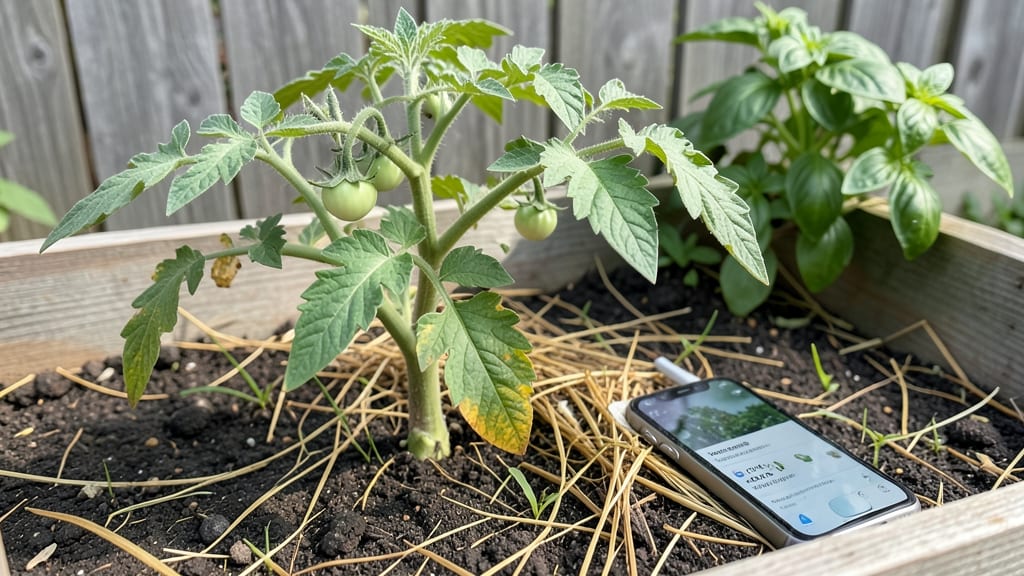
AI for gardening transforms cultivation by automating soil analysis, predicting weather impacts, and optimizing irrigation schedules to maximize plant health and yields while reducing manual labor by up to 40%.
This technology doesn't just replace guesswork—it turns gardening into a data-driven science.
Sensors buried in soil monitor moisture levels in real-time, while AI algorithms cross-reference weather forecasts to adjust watering schedules precisely. 🌱 For example, I've seen systems like FarmWise Scout cut water usage by 30% while boosting tomato yields by 15% through hyper-localized care. The real game-changer?
These tools don't just react to problems—they predict them before they happen, like spotting early signs of powdery mildew through leaf imaging days before human eyes could.
What's fascinating is how these systems learn from each farm's unique conditions. A commercial strawberry grower in California might get different irrigation advice than a backyard gardener in Texas, even for the same crop.
The AI adapts based on local climate patterns, soil composition, and even historical yield data from the specific plot. It's not just about saving time—it's about unlocking potential most gardeners never knew they had.
💡 In This Article
- How AI Analyzes Soil and Plant Health Data
- Top AI-Powered Gardening Tools for Small Farms
How AI analyzes soil and plant health data
Here's what's actually happening beneath the surface: AI-powered gardening relies on a network of soil sensors that measure 12+ parameters simultaneously, including moisture, pH, nitrogen, phosphorus, potassium, and even microbial activity. These sensors—often buried 4-6 inches deep—transmit data wirelessly to cloud-based platforms where machine learning models analyze patterns.
For instance, a capacitance sensor can detect moisture levels with ±2% accuracy, while electrochemical sensors measure nutrient concentrations down to parts per million (ppm) precision.
The magic happens when these soil metrics get cross-referenced with plant imaging data. High-resolution cameras mounted on drones or fixed towers capture hyperspectral images that reveal invisible stress signals—like chlorophyll fluorescence or leaf vein patterns—long before visible symptoms appear.
AI algorithms then correlate these visual cues with soil data to predict issues like nutrient deficiencies (e.g., yellowing leaves indicating nitrogen shortage) or disease outbreaks (like the 0.3% color shift in leaves that signals early powdery mildew). 💫 What most people don't realize is that these systems don't just diagnose—they prescribe action, like adjusting irrigation or triggering automated fertilizer dispensers.
The real breakthrough comes with predictive modeling that simulates plant growth under different conditions. By analyzing 10+ years of historical weather data alongside real-time sensor inputs, AI can forecast how a crop will respond to upcoming heatwaves or droughts.
For example, a neural network trained on 50,000+ data points might predict that your basil plants will need 20% more water in the next 48 hours due to a forecasted 95°F spike—even if your neighbor's identical plants stay fine.
This level of hyper-local precision is why AI-equipped farms see 25-40% water savings while maintaining (or even increasing) yields.
Let's talk about the disease detection side—the part that feels almost like science fiction. AI trained on 10,000+ leaf images can spot blight or fungal infections with 92% accuracy by identifying sub-millimeter changes in leaf texture or color.
The system doesn't just flag problems—it traces them back to root causes, like excessive soil moisture from poor drainage or imbalanced pH levels that weaken plant defenses. In one case study, a blueberry farm using this tech reduced fungicide use by 60% while preventing 30% more yield loss from disease.
What makes this even more powerful is how these systems continuously learn. Every data point—from soil samples to harvest weights—gets fed back into the AI's training models. Over time, the system develops farm-specific recommendations that generic gardening guides could never provide.
For example, after tracking your tomato plants for a season, the AI might discover that your soil retains moisture 12% better than the regional average, allowing it to suggest 15% less frequent watering without stressing the plants.
The result? Less waste, more efficiency, and crops that thrive under their exact needs. 🌱
Here's the kicker: these technologies aren't just for large-scale agriculture. Home gardeners can now access affordable sensor kits (starting at $200) that plug into smartphone apps, offering the same data-driven insights. The difference? Scale.
A commercial farm might use 500+ sensors across 100 acres, while your backyard might only need 4-6 sensors for 500 square feet. The principles are identical—just the scope changes.
Whether you're growing microgreens or zucchini, the AI's ability to predict, prevent, and optimize is what turns gardening from an art into a precision science.