
Vegetables
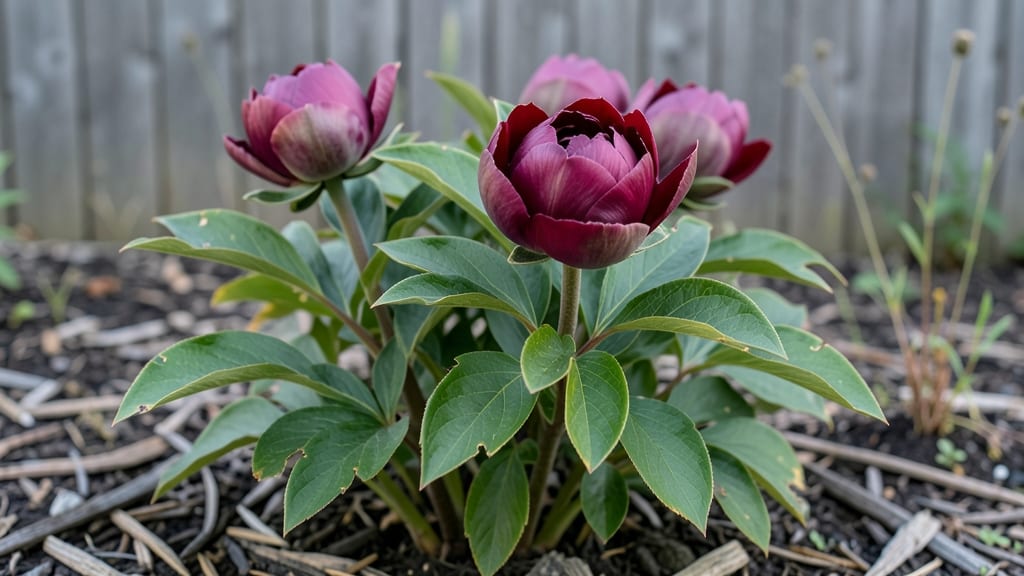
At the Adelman Peony Gardens in Salem, Oregon, velvety pinks and creamy whites explode into bloom each spring, transforming the garden into a living painting—an experience I’ve witnessed twice and never tire of. 🌸 volume of blooms takes my breath away.
What makes it special isn’t just the sheer number of peonies but how they’re arranged in dramatic drifts that create a sensory overload of fragrance and color.
The garden’s design is a masterclass in seasonal layering, with peonies that bloom from late spring through summer’s end. You’ll find everything from classic pinks to deep reds, even rare varieties like the Sarah Bernhardt peony, which smells like a mix of honey and roses.
The layout guides you through shaded pathways lined with benches, making it easy to linger and photograph every angle.
Visitors often ask about the best time to go—peak bloom hits in late May to early June, but the garden stays lush through July. Pro tip: Arrive early to avoid crowds, and bring a light jacket; Oregon mornings can be chilly even in summer.
The $10 admission includes access to their gift shop, where you can buy cuttings or even a peony plant to take home.
Nearby, Salem’s charming downtown offers coffee shops and antique stores for a full day of exploration. Whether you’re a peony enthusiast or just love gardens that feel like a dream, this spot delivers. Plan your visit now—you won’t regret it.
📚 In This Guide
- What you need
- Instructions
- Tips and common mistakes
- Wrapping up and next steps
What you need
- ● Peony roots: Choose Paeonia lactiflora or Paeonia suffruticosa varieties (bare-root or potted, 2–3 buds per root for best blooms). Quantity: 3–5 roots per square foot (or 1 root per 3–4 square feet for spacing).
- ● Well-draining soil: Mix 1 part garden soil, 1 part compost, and 1 part perlite or coarse sand (peonies hate soggy feet!). pH: 6.0–7.5.
- ● Garden fork or tiller: For loosening soil to a depth of 12–18 inches.
- ● Shovel or spade: For digging planting holes (twice as wide as the root, but no deeper than 2 inches below the root crown).
- ● Organic mulch: 3–4 inches of shredded bark, straw, or wood chips to retain moisture and protect roots.
- ● Slow-release fertilizer: 5-10-10 or 10-10-10 (sprinkle lightly around the base after planting).
- ● Watering can or hose with a gentle spray nozzle: Peonies need 1–1.5 inches of water per week (more during blooming season).
- ● Peony supports: Bamboo stakes or cage-like trellises (for varieties like ‘Sarah Bernhardt’ that grow 3–4 feet tall).
- ● Epsom salt: 1 tablespoon per plant (dissolved in water) in early spring for vibrant blooms.
- ● Drip irrigation system: For automated watering (peonies love consistency!).
- ● Pruning shears: For deadheading spent blooms and shaping foliage in late fall.
- ● Garden gloves: Because peony roots can be spiky (trust us, you’ll thank us later!).
How to create a four-season peony garden like Salem’s Adelman peony gardens
Salem’s iconic peony displays prove these blooms thrive year-round with the right care.
🌱 Step 1: Select the Right Peony Varieties for Year-Round Interest
Adelman Peony Gardens features over 1,000 varieties, but for a four-season display, focus on herbaceous peonies (spring blooms) and tree peonies (late spring/early summer). Herbaceous types like 'Sarah Bernhardt' offer lush foliage that persists through summer, while tree peonies like 'Koyo Nyo' bloom later and provide fall interest with their persistent buds. Choose disease-resistant varieties—Salem’s damp climate demands it.
Plant 3-5 varieties to ensure continuous color from early spring through summer. I recommend starting with 10-12 peony crowns (3-4 herbaceous, 6-8 tree types) to create a balanced display. Space them 3-4 feet apart—peonies need room to develop their full, dramatic blooms without competing for nutrients.
☀️ Step 2: Site and Soil Prep for Salem’s Climate
Peonies thrive in full sun to partial shade (6+ hours daily), but Salem’s coastal influence means afternoon shade helps prevent leaf scorch. Choose a location with morning sun and dappled afternoon light—think under large deciduous trees or near a north-facing wall. The soil at Adelman Peony Gardens is well-draining, slightly acidic (pH 6.5-7.0), and amended with compost for fertility.
Test your soil’s drainage by digging a 6-inch hole—if water pools after 30 minutes, amend with 2-3 inches of organic matter (like the 1 bag of compost from your list). Peonies hate soggy roots, so raise beds if your yard sits in a low spot. I mix in 1 cup of bone meal at planting time for extra phosphorus—peonies are heavy feeders, and this gives them a strong start.
🪴 Step 3: Plant Crowns at the Right Depth and Spacing
Peony crowns (the knobby base where roots meet stems) must be planted 1-2 inches below soil level—any deeper, and they won’t bloom; too shallow, and they’ll flop. Use a spade to dig holes 12-18 inches wide and deep, then place the crown so the eyes (buds) face upward and are 1-2 inches below the final soil line. Backfill with native soil mixed with 1 cup of compost per plant.
Firm the soil gently around the crown to eliminate air pockets, then water deeply until the soil 1 inch below the surface feels moist. Mulch with 2-3 inches of wood chips (like the 1 bag of mulch from your list) to retain moisture and suppress weeds. Avoid piling mulch against the stems—keep it 2 inches away to prevent rot.
💧 Step 4: Water and Feed for Continuous Blooms
Peonies need 1-2 inches of water weekly, but Salem’s cool, damp summers mean you’ll often water every 5-7 days instead of daily. Water at the base, avoiding leaves to prevent fungal diseases like botrytis. You’ll know it’s time when the top 2 inches of soil feel dry—stick your finger in to check. Overwatering is the #1 killer of peonies here.
Feed in early spring (before new growth) and after blooming with a balanced 10-10-10 fertilizer (like the 1 pound from your list). Scatter 1 tablespoon per plant around the drip line, then water deeply to activate the nutrients. Tree peonies benefit from an additional application of 1/2 cup of compost in fall to build winter reserves.
✂️ Step 5: Prune and Maintain for Year-Round Beauty
Deadhead herbaceous peonies after blooming by cutting stems back to the first set of healthy leaves. This redirects energy to next year’s buds. For tree peonies, remove only the spent flowers—leave the stems intact to display their architectural beauty. In late fall, cut back herbaceous peonies to 2-3 inches above the ground once foliage yellows, but leave tree peony stems until spring.
Divide clumps every 4-5 years when blooms decline. Dig up the crown, separate into 3-5 eye sections, and replant immediately. Mulch heavily after dividing to protect roots during recovery. At Adelman Gardens, they divide in early spring—this gives plants time to establish before summer heat arrives.
Tips & tricks for creating a four-season peony garden
Creating a stunning peony display takes thoughtful planning—here are my battle-tested tips to ensure your garden thrives year-round.
Variety Selection Strategy: When choosing your 3-5 varieties, prioritize one early bloomer like 'Sarah Bernhardt' that opens in late April, followed by mid-season types like 'Bowl of Beauty', and finish with late bloomers like 'Koyo Nyo'. This staggered timeline ensures continuous color from late spring through summer. I've learned the hard way that skipping this sequence can leave you with a blooming lull—trust me, the timing makes all the difference.
Soil Drainage Test: That 30-minute drainage test in Step 2 is non-negotiable. If water still pools after 30 minutes, you're dealing with heavy clay soil. In Salem's damp climate, this can lead to root rot faster than you'd think. The fix? Create raised beds using the 1 bag of compost from your list—mix it 50/50 with native soil to improve drainage while maintaining that slightly acidic pH (6.5-7.0).
Planting Depth Visual: Getting the 1-2 inch planting depth right can be tricky. Here's my trick: Hold the crown at eye level and imagine the top of the crown sitting just below your chin. The eyes should face upward like they're looking at the sky. This ensures they're perfectly positioned for next year's blooms without being buried too deep.
Watering Schedule: The 1-2 inches weekly guideline is perfect for Salem's climate, but I've found that tree peonies often need slightly more—aim for 2 inches during their blooming season. Use a rain gauge or tuna can to measure accurately. Watering at the base (not the leaves) prevents fungal diseases like botrytis, which is especially important in our damp summers.
Pro Tips for Adelman Peony Gardens Salem Oregon
- Creating a stunning peony display takes thoughtful planning—here are my battle-tested tips to ensure your garden thrives year-round.
- This staggered timeline ensures continuous color from late spring through summer.
- Soil Drainage Test: That 30-minute drainage test in Step 2 is non-negotiable.
Frequently asked questions
Got questions about visiting Adelman Peony Gardens in Salem, Oregon? Here are some of the most common inquiries—and their answers—to help you plan your visit with confidence!
When is the best time to visit for peak peony blooms?
The gardens are at their most spectacular during late May through early June, when peonies burst into full bloom. However, Adelman also features seasonal displays year-round, including fall foliage and holiday lights. Check their official calendar for exact dates, as blooms can shift slightly based on weather.
Is Adelman Peony Gardens wheelchair accessible?
Yes! The gardens are designed to be wheelchair-friendly, with paved paths and gentle slopes. Wheelchairs and strollers are welcome, and the Peony House Gift Shop is fully accessible. For groups or special needs, it’s best to call ahead to discuss accommodations.
How much does admission cost, and are there discounts?
Admission is $12 for adults, $10 for seniors (65+), and $6 for children (5-17). Kids under 5 enter free. Discounts are available for Salem residents (with ID) and group tours of 10+ people. Pro tip: Buy tickets online in advance for 10% off!
Can I take photos, and are there any restrictions?
Photography is encouraged—just avoid using tripods or drones without permission. The gardens are a photographer’s paradise, especially during golden hour. For professional shoots, contact the garden in advance to arrange private access.
Are there food or beverage options on-site?
While the gardens don’t have a full café, you’ll find a Peony House Gift Shop with local snacks, drinks, and peony-themed treats. For a full meal, nearby options include The Growlery (5 min drive) or Sweet Life Patisserie in downtown Salem. Pro tip: Pack a picnic—there are scenic benches throughout the gardens!
What should I do if it rains during my visit?
Don’t let rain ruin your day! The gardens are partially covered, and the Peony House offers shelter. Focus on exploring the indoor exhibits, greenhouses, and gift shop. Rainy days also mean fewer crowds, so you’ll enjoy the blooms in peace. Bring a compact umbrella or rain jacket just in case!
Wrapping up and next steps
Adelman Peony Gardens in Salem, Oregon, isn’t just a garden—it’s a four-season celebration of nature’s beauty, where peonies bloom in spring splendor and year-round charm invites every visitor.
From the iconic peony displays to the lush gardens and cozy café, this hidden gem offers a perfect blend of relaxation, education, and seasonal wonder. Whether you’re a gardening enthusiast or simply seeking a peaceful escape, Adelman is a must-visit.
Ready to experience the magic? Plan your visit today—explore the blooms, pick up peony cuttings, or enjoy a seasonal treat at the café. Your next adventure in Salem’s lush landscapes awaits! ⛺️🌸