
Flowers
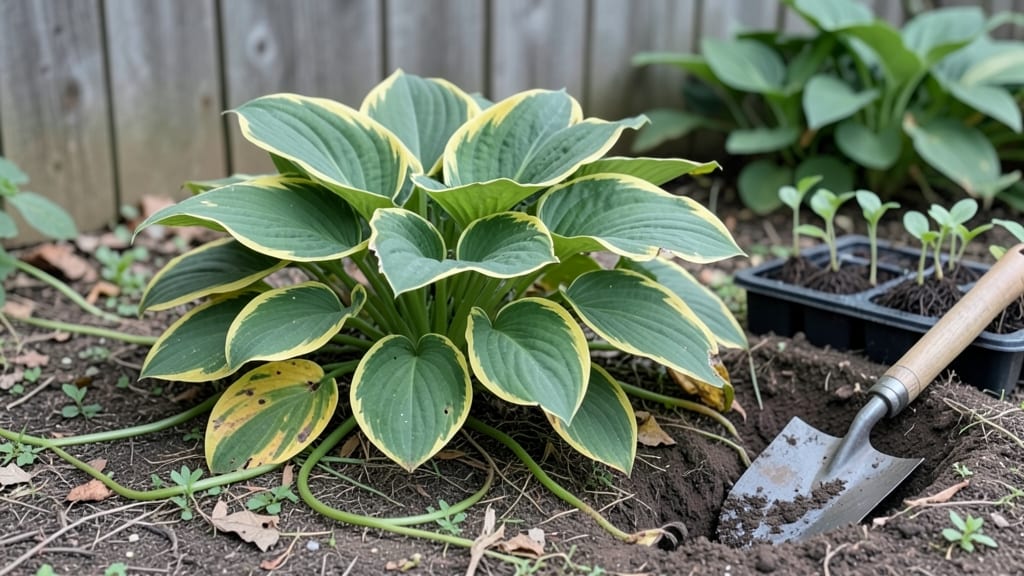
Solid ground gardens turn small yards into lush, private sanctuaries—no flimsy lattice or temporary screens needed. 🌿 I designed mine after realizing my neighbors' fence gaps let in too much noise and wind. The key? Layering evergreens, seasonal blooms, and structural plants that grow together like a living wall.
Start with a 5-foot-tall evergreen backbone—think arborvitae or boxwood—to block views immediately. Then weave in 3-foot shrubs like hydrangeas or spirea for mid-level texture, and top with climbing roses or clematis for height.
The soil stays stable because we’re planting directly into well-amended ground, not struggling with raised beds or unstable slopes.
By summer, you’ll have a year-round privacy screen that smells like jasmine in June and stays green through winter. The best part? It grows more beautiful each year, requiring less work than artificial solutions. No more feeling like your yard is an open invitation to the neighbors.
Works for urban backyards, suburban side yards, or even narrow strips between properties. The same principles apply whether you’ve got 6 inches of soil or a full garden bed—just adjust plant sizes to your space. Let’s make that yard feel like yours again.
Root Causes of Soil Instability
When designing a solid ground garden—especially for year-round privacy—soil instability can derail even the most well-planned layers. Understanding the why behind common issues helps you build a resilient foundation. Below are the key culprits, backed by science, and how they disrupt your garden’s structural integrity.
Excessive moisture is the silent saboteur of stable garden beds. When soil lacks proper drainage, it becomes saturated and compacted, leading to root suffocation, erosion, and even sinkholes in heavy clay or loamy soils. Here’s the breakdown:
- Clay-heavy soils expand when wet and shrink when dry, creating cracks that destabilize plant roots and mulch layers. Over time, this cycle weakens the soil’s ability to support structures like trellises or dense shrubs.
- Organic matter breakdown in waterlogged areas depletes oxygen, causing anaerobic bacteria to produce hydrogen sulfide—a gas toxic to roots. This accelerates decomposition, turning nutrient-rich soil into a mushy, unstable mess.
- Surface runoff from rain or irrigation washes away topsoil, especially on slopes. Without a swale or berm system, your garden’s layers erode unevenly, leaving gaps where privacy plants can’t thrive.
💡 Pro Tip: Test your soil’s drainage by digging a 12-inch hole, filling it with water, and timing how long it takes to drain. If it’s slower than 6 hours, amend with perlite, coarse sand, or gypsum to improve porosity.
Heavy foot traffic, lawnmowers, or even construction equipment can physically compress soil particles, reducing pore space by up to 50%. This creates a hardpan layer that restricts root growth and water infiltration. Here’s how it happens:
- Particle breakdown: Soil particles (sand, silt, clay) are squeezed together, crushing organic matter and beneficial microbes. Over time, this reduces aeration, making it harder for plants to establish deep roots.
- Reduced microbial activity: Compacted soil limits oxygen flow, stifling earthworms and fungi that aerate the soil naturally. Without these helpers, your garden’s structure weakens.
- Uneven settling: Some areas compact faster than others, creating dips or mounds. This disrupts the gradual slope needed for water runoff, leading to puddles or erosion hotspots.
🔥 Actionable Fix: Loosen compacted soil with a broadfork or aerator in early spring or fall. Mix in compost or aged manure to restore organic matter and improve structure.
Soil without sufficient organic matter is like a house without a foundation—it lacks cohesion and resilience. Organic matter (like compost, leaf litter, or decomposed wood chips) binds soil particles together, but its depletion leads to:
- Loss of aggregation: Organic matter acts as a "glue" for soil particles, forming stable microaggregates. Without it, particles disperse, increasing erosion and reducing water retention.
- Nutrient leaching: Organic matter holds nutrients like nitrogen and phosphorus. When it’s depleted, plants struggle to access food, leading to weak growth and poor root development.
- Increased pH volatility: Organic-rich soils buffer pH changes, but degraded soil becomes more acidic or alkaline, stressing plants and altering microbial communities.
🌱 Solution: Add a 2–3 inch layer of compost annually to the top of your garden beds. For compacted areas, top-dress with wood chips or straw mulch to slowly rebuild organic content.
A solid ground garden relies on stratified layers (mulch, topsoil, subsoil) to maintain stability. When layers are skipped or mismanaged, the entire structure falters:
| Problem Layer | Why It Fails | Fix It With |
|---|---|---|
| Missing mulch layer | Exposes soil to erosion, temperature swings, and weed competition. Mulch also prevents crusting (a hard surface layer that blocks water). | 3–4 inches of wood chips or straw (avoid fresh wood chips, which can rob nitrogen). |
| Topsoil too thin | Plants can’t establish roots deep enough for stability. Thin topsoil also drains too quickly, stressing drought-tolerant privacy plants. | Amend with compost or extend the layer to 12–18 inches for woody shrubs. |
| No subsoil transition | Sharp contrasts between topsoil and clay/rock layers create shear zones, where water pools and roots struggle to penetrate. | Gradually blend sand or gritty compost into the subsoil layer. |
✨ Key Insight: Think of your garden layers like a lasagna—each component (mulch, topsoil, subsoil) has a job. Skipping a layer is like serving only pasta or sauce: unstable and unsatisfying!
Fix Your Privacy Garden Problems
Now that you know the common challenges that can disrupt your solid ground gardens and year-round privacy, let’s tackle them head-on with practical, step-by-step solutions.
Whether it’s soil issues, plant struggles, or maintenance headaches, these fixes will help you restore balance—and keep your compact yard looking lush and intentional all year.
Problem: Water pools, roots suffocate, and plants wilt—even with the best mulch or ground cover.
How to Fix It: 🔥 Test Your Soil First – Grab a handful of damp soil. If it clumps tightly or feels like Play-Doh, you’ve got compaction. For drainage issues, if water sits on the surface after rain, your soil is too dense.
🍳 Amend the Soil – Mix in organic matter like compost, aged manure, or coconut coir (25% of the top 6–12 inches of soil). For heavy clay, add sand or perlite to improve aeration.
👨🍳 Loosen the Ground – Use a broadfork or garden fork to break up compacted layers without disturbing roots. Work it in vertically, then top-dress with mulch to prevent future compaction.
🥘 Prevent Future Issues – ✔ Avoid walking on garden beds—stick to paths. ✔ Use raised beds if your soil is chronically poor. ✔ Plant deep-rooted perennials (like coneflowers or Russian sage) to naturally aerate soil over time.
Problem: Your evergreens look sad, deciduous plants drop leaves early, or new shrubs refuse to thrive.
How to Fix It: 🔥 Diagnose the Issue – Check for:
- Over/under-watering (wilting or yellowing leaves).
- Pests (aphids, spider mites, or borers).
- Disease (fungal spots, mold, or powdery mildew).
- Sun/Shade Mismatch (burnt leaves = too much sun; leggy growth = not enough).
🍳 Adjust Care Immediately –
- Water deeply but less often (1–2 inches per week, depending on plant).
- Prune dead/diseased branches with sterilized shears (rubbing alcohol wipe).
- Fertilize smartly – Use a slow-release, balanced fertilizer (10-10-10) in early spring, then switch to low-nitrogen (5-10-10) for evergreens to avoid burn.
👨🍳 Boost Plant Health –
- Mulch properly (3–4 inches of shredded bark or wood chips) to retain moisture and regulate temperature.
- Add mycorrhizal fungi to the soil at planting to improve root uptake.
- Rotate plant types – Mix broadleaf evergreens (like boxwood) with needle evergreens (like junipers) to reduce disease spread.
🥘 Prevent Future Struggles – ✔ Group plants by water needs (e.g., drought-tolerant lavender near succulents). ✔ Space plants for airflow (3–5 feet apart for shrubs) to deter fungal issues. ✔ Monitor soil pH – Most privacy plants prefer slightly acidic to neutral (6.0–7.0).
Test with a kit and amend with lime (to raise pH) or sulfur (to lower it) if needed.
Problem: Your privacy screen is becoming a jungle—branches sprawl, vines take over, or plants outcompete each other.
How to Fix It: 🔥 Prune Strategically –
- Shape evergreens in late winter/early spring (before new growth).
- Thin out dense areas to improve airflow and sunlight penetration.
- Remove aggressive spreaders (like bamboo or mint) before they invade other plants.
🍳 Control Growth Naturally –
- Use root barriers (buried plastic or metal) for invasive plants like bamboo or mint.
- Mulch heavily (5+ inches) to suppress weeds and slow down fast-spreading ground covers.
- Choose slower-growing varieties – Opt for dwarf cultivars (e.g., ‘Blue Rug’ juniper or ‘Emerald Gaiety’ boxwood) if space is tight.
👨🍳 Design for Balance –
- Layer plants by height (tall conifers at the back, medium shrubs in the middle, low perennials in front).
- Add structural elements (trellises, arbors, or espaliered trees) to guide growth upward instead of outward.
🥘 Prevent Messy Growth – ✔ Prune regularly (every 6–12 months) to maintain shape. ✔ Remove seed heads from perennials to reduce self-seeding chaos. ✔ Plant ground covers (like creeping thyme or ajuga) to fill gaps without overtaking.
Problem: Bugs munch leaves, mold creeps up stems, or your plants look like a buffet for critters.
How to Fix It: 🔥 Identify the Culprit –
- Chewed leaves? Likely caterpillars, slugs, or deer.
- Sticky residue? Aphids or scale insects.
- White powder? Powdery mildew (common in humid climates).
🍳 Treat Effectively –
- Manual removal: Handpick large pests (like tomato hornworms) or snail bait (copper tape or beer traps).
- Neem oil or insecticidal soap – Spray on pests only (not flowers) for soft-bodied insects.
- Fungal issues? Apply baking soda spray (1 tsp baking soda + 1 quart water + a drop of dish soap) or copper fungicide.
👨🍳 Encourage Natural Defenses –
- Attract beneficial insects (ladybugs, lacewings) with native flowers (like dill, yarrow, or cosmos).
- Use row covers for young plants to block pests without chemicals.
- Remove infected plant debris immediately to stop spread.
🥘 Prevent Future Infestations – ✔ Rotate plant families yearly to confuse pests. ✔ Keep the area clean – Remove fallen leaves and weeds where pests hide. ✔ Water in the morning to reduce humidity (which fuels fungal growth).
🔥 Mulch Like a Pro – Use wood chips or straw (not fresh grass clippings) to avoid nitrogen theft and weeds. 🌡️ Monitor Seasonally – Adjust watering, pruning, and fertilizing based on spring growth, summer heat, fall color, and winter dormancy. 🎯 Invest in Drip Irrigation – Saves water, delivers moisture directly to roots, and reduces fungal splash. ✨ Document Your Garden – Take monthly photos to spot issues early (e.g., yellowing leaves, pest signs).
With these solutions, your compact privacy garden will stay healthy, lush, and low-maintenance—no matter the season. 🌿✨ Start with one fix, then build from there!
Frequently asked questions
What’s the best mulch for a stable privacy garden?
Use 3–4 inches of shredded hardwood mulch or wood chips for long-term stability. These break down slowly, improving soil structure while suppressing weeds. Avoid fresh grass clippings—they mat down and can rob nitrogen from your plants.
Can I plant a privacy screen on a slope?
Yes! Use terraced beds or swales to create level planting zones. Start with erosion-resistant plants like Russian olive or creeping juniper at the top, then layer with slower-growing shrubs. Install erosion control fabric on steeper slopes for extra support.
How do I keep my privacy garden looking neat without over-pruning?
Focus on strategic shaping—prune evergreens in late winter to encourage dense growth, and trim flowering shrubs right after blooming. Use dwarf cultivars (like ‘Emerald Gaiety’ boxwood) to reduce maintenance. A clean mulch line also keeps things tidy with minimal effort.
What’s the fastest way to establish a dense privacy screen?
Combine fast-growing evergreens (like Leyland cypress) with climbing vines (e.g., clematis or star jasmine) on trellises. Plant in early spring with a slow-release fertilizer and mulch heavily. For instant coverage, use pre-grown shrubs (3–5 feet tall) instead of seedlings.
How do I handle invasive roots from my privacy plants?
Install buried root barriers (HDPE plastic or metal) at least 2 feet deep before planting. For existing invasives (like bamboo), dig a 30-inch-deep trench and line it with barrier material. Regularly check for root escapes and prune aggressively in early spring.