
Flowers
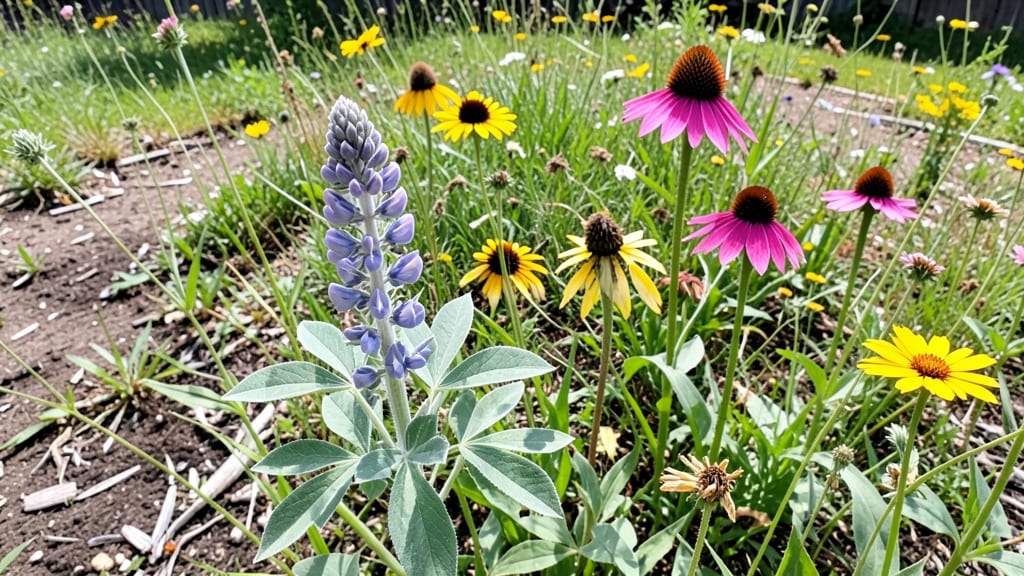
Wildflowers in a garden bring effortless beauty and life to any outdoor space 🌼—no weeding, no fuss, just months of color and buzzing pollinators.
Picture this: instead of battling weeds all season, you’re sipping coffee while bees and butterflies dance through your yard. Wildflowers make that dream real with zero extra work after the first year. They’re the secret weapon for gardeners who want stunning results without the upkeep.
Whether you’re dreaming of a cottage-style border or a pollinator meadow, the right mix of native wildflowers can turn dull patches into vibrant, thriving havens. We’ll show you how to pick the perfect varieties for your zone, design layouts that wow, and keep maintenance to a minimum.
Ready to swap the struggle for a garden that practically takes care of itself? Let’s get planting—your future self will thank you.
How to choose the best wildflowers for year-round garden color
Creating a garden that blooms continuously from spring through winter starts with selecting the right wildflower varieties. Unlike traditional gardens, wildflowers offer low-maintenance beauty while supporting local ecosystems.
The key lies in balancing perennials (which return yearly) with annuals (which bloom once but reseed easily). This combination ensures your garden stays vibrant without constant replanting.
Another critical factor is choosing between native and non-native wildflowers. Native species thrive in your local climate, require less water, and provide optimal pollinator support. For example, black-eyed Susans and purple coneflowers are hardy perennials that attract bees and butterflies.
Non-native varieties, like cosmos or zinnia, can add dramatic color but may need more care in extreme climates.
Your garden’s sun exposure and soil type also dictate your choices. Full-sun areas (6+ hours of light) are perfect for drought-tolerant wildflowers like lupine or blanket flower, while shade-tolerant varieties such as wild columbine or Virginia bluebells thrive in woodland gardens.
Always test your soil’s pH—most wildflowers prefer neutral to slightly acidic conditions (pH 6.0–7.0).
| Season | Top Wildflower Picks | Sun Needs | Soil Type | Height |
|---|---|---|---|---|
| Spring | Virginia bluebells, bleeding heart, sweet rocket | Partial shade to full sun | Moist, well-drained | 1–3 ft |
| Summer | Black-eyed Susan, coneflower, blanket flower | Full sun | Dry to medium | 2–4 ft |
| Fall | Goldenrod, asters, sedum | Full sun to partial shade | Well-drained | 1–5 ft |
| Winter | Ornamental grasses, winter aconite, hellebore | Partial shade | Rich, moist | 1–3 ft |
For spring blooms, prioritize early-season wildflowers like wild ginger or trillium, which emerge as soon as the snow melts. These perennials often bloom before lawns even green up, adding bold pops of color to otherwise bare gardens.
Pair them with annuals like sweet alyssum for continuous coverage until summer.
When selecting summer wildflowers, focus on heat-tolerant varieties that thrive in dry conditions. Lantana and salvia are excellent choices, offering long-lasting blooms and attracting hummingbirds.
If your garden has partial shade, consider coreopsis or shasta daisies, which handle lighter conditions while still providing bright, cheerful flowers.
Fall brings a shift toward late-season bloomers like asters and goldenrod, which add warm hues to the garden as temperatures drop. These wildflowers also serve as winter food sources for pollinators.
For winter interest, incorporate ornamental grasses or evergreen shrubs like winterberry to maintain structure and texture when other plants fade.
Don’t overlook the power of layering wildflowers by height and bloom time. Plant tall varieties (4+ ft), like sunflowers or giant fleabane, at the back of borders.
Medium-height flowers (2–3 ft), such as cone flowers, should go in the middle, while low-growing ground covers, like creeping thyme, fill gaps at the front. This creates a natural, cascading effect that feels effortless yet polished.
One of my favorite tricks is to mix wildflowers with native grasses for texture and movement. Grasses like little bluestem or switchgrass sway in the breeze, adding
Step-by-step guide to planting wildflowers with minimal weeding
Wildflowers thrive when they outcompete weeds naturally, but the key starts with proper soil prep. I’ve found that loosening the top 4-6 inches of soil breaks up compacted layers, allowing roots to establish quickly.
Add a 2-inch layer of compost to improve drainage and fertility—this feeds both your wildflowers and beneficial microbes that suppress weeds. Skip the heavy tilling; it disrupts soil structure and can bring weed seeds to the surface.
Choosing between bulk seeding and plug planting depends on your timeline and budget. Bulk wildflower seeds are 80% cheaper but may require more thinning. Plugs (young plants) give you instant color but cost more upfront.
I recommend starting with a 50/50 mix—plugs for focal points and bulk seeds for filling gaps. For best results, plant in early spring or fall, when soil temperatures are mild and weeds are less aggressive.
How to Plant Wildflowers for Weed-Free Growth
- Step 1: Clear Debris Remove rocks, roots, and large weeds by hand. Avoid herbicides—they can linger in the soil and harm your wildflowers. Use a hula hoe for stubborn weeds in tight spaces.
- Step 2: Loosen Soil Use a broadfork or tiller to aerate the top 6 inches of soil. Break up clumps gently to avoid creating a powdery texture that washes away during watering.
-
Step 3: Choose Your Method
- Bulk Seeds: Scatter 1/4 lb per 100 sq ft and lightly rake into soil (no deeper than 1/4 inch).
- Plugs: Space 12-18 inches apart in rows for a structured look or scatter for a natural meadow.
- Step 4: Water Gently Use a fine mist setting on your hose or a watering can to avoid displacing seeds. Keep soil consistently moist (not soggy) for 3-4 weeks until germination.
- Step 5: Mulch Lightly Apply a 1-inch layer of straw or wood chips to retain moisture and block weed seeds from sprouting. Avoid thick mulch—it can smother delicate seedlings.
- Step 6: Monitor & Thin Once seedlings are 2-3 inches tall, thin to 6-12 inches apart (depending on variety). Snip with scissors at soil level to avoid disturbing roots.
🌱 Tip: Add clover or creeping thyme as ground covers—they suppress weeds while adding pollinator value!
After planting, watering consistency is critical for the first 30 days. I set a reminder to water early in the morning (before 9 AM) to reduce evaporation and fungal risks.
Once established, wildflowers need only 1 inch of water per week, but deep soaks encourage deeper root growth, which helps them outcompete weeds. Let the top 1-2 inches of soil dry between waterings to prevent rot.
Companion planting is my secret weapon for weed suppression. Pair wildflowers with low-growing perennials like creeping phlox or sedge grasses, which fill gaps and shade out weed seeds.
Avoid fast-spreading plants like mint—they’ll overtake your wildflowers. For borders, try lavender or catmint; their aromatic oils deter pests and weeds naturally.
Once your wildflowers are established (usually by year two), maintenance becomes a breeze. I recommend one light feeding in early spring with a 5-10-10 fertilizer to encourage blooms, but skip heavy fertilizers—they promote leafy growth over flowers.
Deadhead spent blooms in early summer to prolong flowering, but leave some seed heads for wildlife and next year’s growth. Mow only once per year, in late fall, to keep the area tidy without harming dormant plants.
With this approach, your wildflower garden will thrive with minimal weeding while attracting butterflies, bees, and hummingbirds. The first year might require a little extra care, but by year three, your wildflowers will self-seed and spread, creating a lush, low-maintenance paradise. Happy planting! 🌼