
Tools
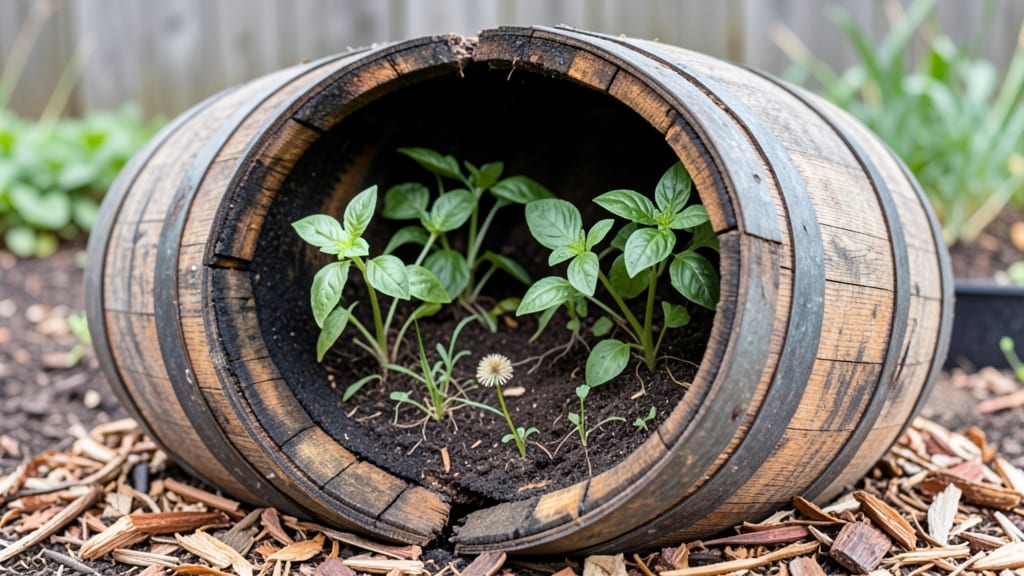
Transforming an old whiskey barrel into a garden planter gives your outdoor space that unexpected rustic charm while solving the problem of what to do with those empty barrels. 🌿 I’ve turned three repurposed barrels into a vertical herb garden that’s both functional and conversation-starting—no fancy tools or expensive supplies required.
The best part? Barrels hold moisture better than plain wood and their stout shape makes them perfect for heavy plants like tomatoes or peppers. You can drill drainage holes, line the bottom with landscape fabric, and fill with lightweight potting mix.
The barrel’s natural curves also create built-in planter pockets for trailing plants like nasturtiums or sweet potatoes.
By summer’s end, you’ll have a thriving garden that doubles as decor—think lush basil spilling over the sides or sunflowers reaching toward the sky. The barrels weather beautifully over time, developing that perfect aged look that blends right into a cottage garden or even a modern patio setup.
Whether you’re going for a whiskey-themed garden or just love repurposed materials, these barrels bring character to any space. Here’s how to get started without breaking the bank or your back.
📚 In This Guide
- What you need
- Instructions
- Tips and common mistakes
- Wrapping up and next steps
What you need
- ● Whiskey barrel (1–2, depending on size preference; ensure it’s clean, dry, and free of labels or residue)
- ● Drill or jigsaw (for cutting drainage holes; 1/4-inch to 1/2-inch diameter recommended)
- ● Safety gear (gloves, goggles, and a dust mask for drilling)
- ● Sandpaper or electric sander (80–120 grit, to smooth rough edges)
- ○ Outdoor paint or sealant (optional, for weatherproofing; choose non-toxic, water-based options)
- ● Potting soil (well-draining mix, 10–20 lbs per barrel, depending on size)
- ● Drainage rocks or gravel (small pebbles or broken pottery, 1–2 lbs for base layer)
- ● Plants (herbs, succulents, or flowers; pick varieties suited to your climate)
- ● Barrel tap or spout (for easy watering or drainage)
- ● LED string lights (battery-operated, for ambiance)
- ● Wood stain or chalk paint (to customize the barrel’s look)
- ● Wheel kit (if you want a mobile planter)
- ● Barrel cozy or liner (to protect the wood from moisture)
Step-by-step instructions for building a whiskey barrel garden
Turn that empty barrel into a stunning planter with this easy, rustic project.
🪴 Step 1: Clean and Prepare the Barrel
Start by thoroughly cleaning the whiskey barrel to remove any residue. Use a stiff brush and warm, soapy water to scrub the interior and exterior surfaces. Rinse well and let it dry completely in the sun—this helps prevent mold and mildew later. If the barrel has a lingering alcohol smell, sprinkle baking soda inside, let it sit overnight, then rinse again.
Check for any loose staves or cracks. If you find weak spots, reinforce them with wood glue and clamps, then let dry for 24 hours. Sand any rough edges or splinters with 80-grit sandpaper to create a smooth surface. This step ensures your barrel is safe and ready for planting.
💧 Step 2: Drill Drainage Holes
Using a 1-inch hole saw, drill 4-6 evenly spaced drainage holes near the bottom of the barrel. These holes are critical—they prevent waterlogging, which can rot roots and kill plants. Space them about 4-6 inches apart around the circumference.
Place the barrel on a towel or scrap wood while drilling to protect your work surface. After drilling, smooth any rough edges around the holes with sandpaper. This ensures water drains freely without damaging the roots of your future plants.
☀️ Step 3: Line the Barrel for Protection and Aesthetics
Cut a landscape fabric piece large enough to line the inside of the barrel, leaving extra to fold over the edges. This fabric prevents soil from washing out through the drainage holes while allowing water to pass through. Secure it in place with staple gun or heavy-duty staples, ensuring no gaps remain.
For extra rustic charm, consider wrapping the outside of the barrel with burlap or twine before planting. This adds texture and blends beautifully with outdoor decor. If you want a cleaner look, skip the wrapping and let the natural wood shine.
🌱 Step 4: Add Soil and Plant Your Garden
Fill the barrel with well-draining potting mix, leaving about 2 inches from the top. Avoid garden soil—it compacts too easily and can suffocate roots. For a 4-barrel garden, you’ll need roughly 4-5 gallons of potting mix per barrel. Press the soil down lightly to eliminate air pockets, but don’t compact it too tightly.
Plant your chosen greenery, spacing them according to their mature size. Herbs, succulents, and small shrubs work beautifully in whiskey barrels. Water the soil gently after planting to help settle the roots. If you’re using drought-tolerant plants, add a 1-inch layer of mulch on top to retain moisture and suppress weeds.
⏰ Step 5: Water and Maintain Your Barrel Garden
Water your barrel garden deeply once a week, adjusting for rainfall or extreme heat. The drainage holes mean soil dries out faster than in-ground planters, so check the top 1 inch of soil—if it feels dry, it’s time to water. Avoid overwatering, as whiskey barrels don’t hold moisture like traditional planters.
Fertilize lightly every 4-6 weeks with a balanced, slow-release fertilizer to keep your plants thriving. Whiskey barrels add a unique touch to any space, but they require a little extra care to keep soil healthy. With proper maintenance, your barrel garden will stay lush and charming for years!
Tips & tricks for perfect whiskey barrel gardens
Transforming a whiskey barrel into a stunning planter takes just the right touch—here's how to avoid common pitfalls and elevate your rustic garden to showstopping levels.
Wood Prep is Non-Negotiable: That 24-hour drying time after reinforcing cracks isn't just a suggestion—it's your insurance against warping later. I learned this the hard way when my first barrel split after planting! Use a damp cloth to wipe away any wood glue residue before lining, especially if you're using edible plants. The cleaner the surface, the better the landscape fabric will adhere.
Drainage Hole Strategy: The 4-6 holes near the bottom should follow a precise pattern: imagine dividing the barrel into equal sections and placing holes at each division point. This creates even water distribution while preventing soil erosion. Pro tip: Use a pencil to mark hole locations before drilling—it keeps them perfectly spaced and prevents uneven gaps.
Soil Science Matters: For a 4-barrel garden, I recommend buying potting mix in bulk to save money and ensure consistency. The 2-inch gap from the top isn't just for aesthetics—it prevents overflow when watering and gives you room to add mulch later. Mix in a handful of perlite or vermiculite with your potting mix to improve drainage even more, especially if you're planting moisture-sensitive succulents.
Plant Selection Wisdom: Herbs like rosemary and thyme thrive in whiskey barrels because they love well-draining soil and don't mind root competition. For a showstopper display, plant taller varieties like lavender in the center and trailing plants like creeping thyme around the edges. Remember: the 1-inch mulch layer should only go on top of finished soil—not over bare roots!
Pro Tips for Whiskey Barrel Garden
- Transforming a whiskey barrel into a stunning planter takes just the right touch—here's how to avoid common pitfalls and elevate your rustic garden to showstopping levels.
- Wood Prep is Non-Negotiable: That 24-hour drying time after reinforcing cracks isn't just a suggestion—it's your insurance against warping later.
- Drainage Hole Strategy: The 4-6 holes near the bottom should follow a precise pattern: imagine dividing the barrel into equal sections and placing holes at each division point.
Frequently asked questions
Got questions about turning whiskey barrels into garden magic? You’re not alone! Here are answers to the most common queries to help you get started with confidence.
Can I use any whiskey barrel for a garden?
Not all barrels work—opt for used oak barrels (especially bourbon or rye) since they’re sturdy and often have natural charring. Avoid barrels that were previously used for chemicals, food-grade oils, or unknown liquids. Always rinse thoroughly with vinegar and water to remove residue before planting!
How long does it take for a whiskey barrel garden to mature?
Timing depends on what you plant! Fast growers like herbs (basil, thyme) or lettuce may be ready in 4–6 weeks, while perennials (lavender, rosemary) or small shrubs could take 1–2 seasons to fully thrive. Barrels drain faster than traditional pots, so consistent watering is key—especially in hot climates.
Are there cheaper alternatives to whiskey barrels?
Consider:
- Wooden half-barrels or wine barrels (often sold at garden centers or online).
- Repurposed food-grade plastic barrels (clean, lightweight, and budget-friendly).
- DIY cedar or redwood planters (cheaper than oak but still rustic).
Just ensure any alternative has drainage holes—whiskey barrels’ natural charring helps retain moisture, so mimic that with a waterproof liner if needed.
How do I keep pests out of my whiskey barrel garden?
Barrels’ elevated design deters some pests, but slugs, aphids, and ants can still be a nuisance. Try these tricks:
- Wrap the base with copper tape (slugs hate it!).
- Plant pest-repelling herbs like mint or marigolds nearby.
- Use neem oil spray weekly for organic protection.
- Elevate barrels on bricks or cinder blocks to improve airflow.
Bonus: The barrel’s charred interior can act as a natural fungicide!
Can I use a whiskey barrel garden in winter?
Yes, but with precautions! Move delicate plants (like tomatoes or peppers) indoors or to a greenhouse. For hardy perennials (rosemary, oregano), wrap the barrel in burlap and add a thick layer of mulch or straw around the base. If freezing temps are expected, empty and store the barrel or use it for winter greens like kale or spinach.
Wrapping up and next steps
A whiskey barrel garden isn’t just a charming planter—it’s a creative, sustainable way to breathe new life into old wood while adding rustic flair to your space. Whether you're growing herbs, flowers, or veggies, these repurposed barrels bring versatility and character to any outdoor (or indoor!) setting. 🌿✨
Ready to dive in? Start by gathering your materials, then let your imagination guide the rest—your garden (and your whiskey barrel) will thank you! Next up: Sketch a design or snap a photo of your dream setup before you begin. Cheers to growing something beautiful!