
Tools
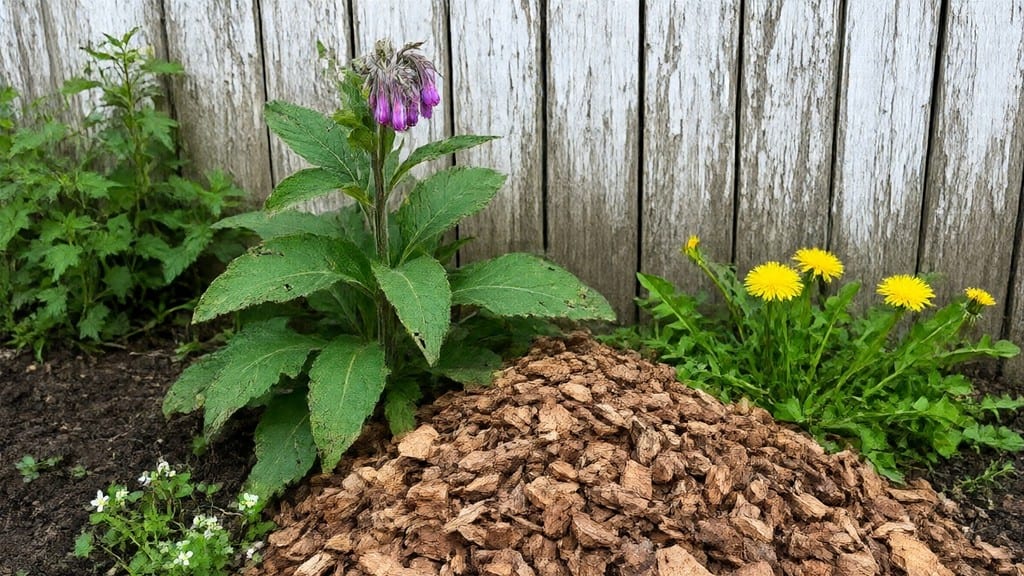
Fresh yard waste like grass clippings can actually smother your plants by creating a thick, matted layer that blocks oxygen from reaching roots. Untreated wood chips, while sometimes used in landscaping, break down too slowly and can rob nitrogen from the soil, leaving your plants starved for nutrients.
The key is balancing organic matter with loose, well-draining materials—think composted leaves or straw instead of fresh clippings, and always avoid anything that stays compacted or decomposes anaerobically. 🔥
Clay soil is another common mistake—it holds water like a sponge but suffocates roots with its dense structure, leading to rot and poor growth. If you're working with heavy clay, mix in coarse sand or perlite to improve aeration and drainage.
My biggest lesson? Always prioritize materials that mimic nature's loose, crumbly texture—your plants will thank you with stronger roots and better yields. ✨
💡 In This Article
- Harmful Soil Mixes and Their Effects on Plant Roots
- Safe Alternatives for Raised Garden Bed Filling
Harmful soil mixes and their effects on plant roots
Fresh grass clippings create a suffocating mat when packed into raised beds. As they decompose, they form a dense, anaerobic layer that blocks oxygen from reaching roots—similar to how plastic wrap smothers food.
This anaerobic environment triggers harmful bacteria that produce toxic compounds like ammonia and hydrogen sulfide, which can burn delicate root hairs and stunt growth. The texture becomes gummy and compacted, resembling wet clay more than healthy soil.
Untreated wood chips, while often used in landscaping, pose a different threat: nitrogen depletion. As they break down, they consume nitrogen from the soil at a rate of about 0.5-1% nitrogen per month during active decomposition.
This creates a "nitrogen sink" that starves plants of essential nutrients, leading to yellowing leaves and poor flowering. The worst offenders are dense woods like oak or cedar, which release tannins that further inhibit microbial activity—think of it as chemical warfare against your soil's beneficial organisms.
Clay soil's damage stems from its microscopic structure. Particles smaller than 0.002 millimeters pack tightly together, creating pores too small for air and water to move freely. Roots struggle to penetrate this dense matrix, while excess water pools around them, creating ideal conditions for rot-causing pathogens.
The visual difference is stark: healthy soil crumbles easily between fingers, while compacted clay holds its shape like wet cement. This density also limits beneficial microbial movement, reducing nutrient cycling by up to 40% compared to loose, well-aerated soils.
Here's what most gardeners miss: the long-term consequences of these poor choices. Roots in suffocating conditions develop shallow, weak systems that can't support vigorous growth. Plants become more susceptible to drought stress because their roots can't efficiently access moisture deeper in the soil profile.
In extreme cases, chronic poor aeration leads to root dieback, where the plant's entire nutrient uptake system collapses—visible as sudden wilting despite adequate watering.
Consider this comparison: a well-amended raised bed with proper drainage might support root systems extending 12-18 inches deep, while a bed filled with compacted materials often sees roots confined to just 2-4 inches at the surface.
This shallow root zone means plants are more vulnerable to temperature fluctuations and have limited access to stored nutrients during dry spells. The result? Smaller harvests, weaker stems, and plants that struggle to fight off pests and diseases.
The science behind these issues involves soil's porosity and permeability—two critical factors for root health. Healthy soil should have 40-60% pore space, with about half filled with air and half with water.
Clay soil often drops below 30% porosity, while fresh grass clippings can reduce it to 20% or less as they decompose. This lack of air space forces roots to compete with anaerobic microbes for oxygen, creating a vicious cycle of poor growth and declining soil quality.
What's particularly frustrating is how these problems compound over time. A single season of using harmful materials might show only subtle signs of stress, but by year two or three, the damage becomes irreversible in many cases.
The microbial communities that keep soil healthy take years to rebuild—think of it like trying to restore a damaged ecosystem after years of neglect. The good news? Making the right choices now can transform your garden bed into a thriving, self-sustaining environment within just one growing season. 🌱