
Flowers
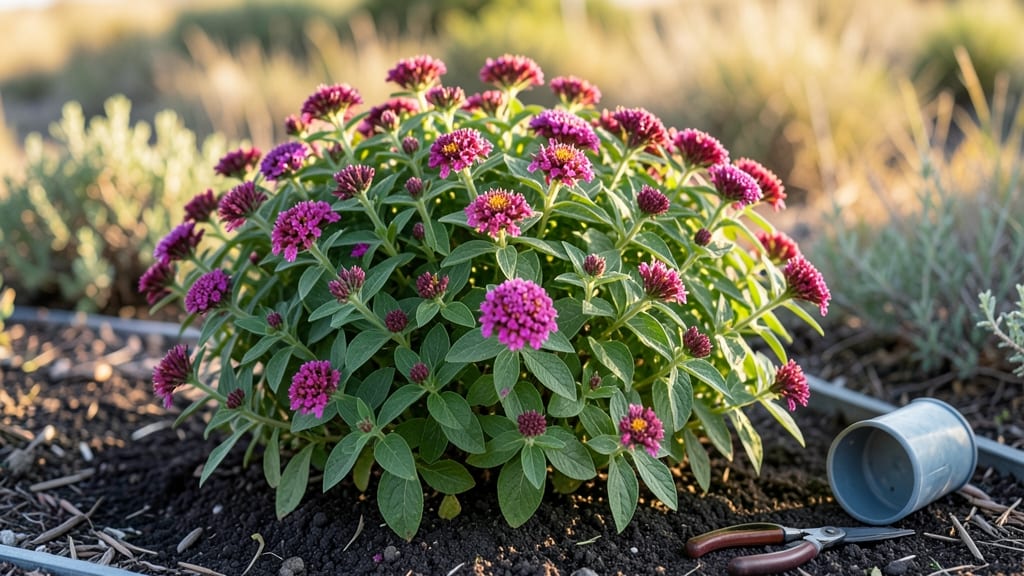
Texas flower gardening isn’t just possible—it’s thriving with the right drought-tolerant picks. 🌻 I’ve designed gardens here that burst with color from January to December, using plants that laugh at heatwaves and ignore droughts. The secret isn’t fancy irrigation but choosing species that belong in Texas’s sunbaked soil.
Start with native powerhouses like blackfoot daisies, which bloom nonstop from spring to frost, or salvia greggii, whose purple spikes attract hummingbirds like magnets. Mix in succulents like sedum for texture and agave for dramatic height—both need watering about once a month.
These plants don’t just survive; they show off in the Texas sun.
You’ll end up with borders that stay lush even when temps hit 105°F. Picture deep blues from Texas bluebonnets alongside fiery reds from flame acanthus, all thriving with half the water of traditional gardens. The best part? Zero dead zones or wilting drama—just steady, reliable blooms that neighbors will envy.
This works for small urban yards or sprawling ranches, from full sun to partial shade spots. Let’s build a garden that’s as tough as Texas itself—and just as beautiful.
📚 In This Guide
- What you need
- Instructions
- Tips and common mistakes
- Wrapping up and next steps
What you need
- ● Drought-tolerant flower seeds/seedlings: 10–20 plants (e.g., Blackfoot Daisy, Mexican Feather Grass, Yucca, or Lantana). Buy locally adapted varieties for best results!
- ● Well-draining soil: 5–10 cubic yards (amend with compost or sand if your soil is heavy clay, common in Texas).
- ● Organic mulch: 2–3 inches (e.g., gravel, pine straw, or shredded bark) to retain moisture and suppress weeds.
- ● Drip irrigation system or soaker hoses: 50–100 feet (adjust based on garden size) to deliver water efficiently.
- ● Gloves, pruners, and a hand trowel: 1 pair each for planting and maintenance.
- ● Fertilizer: Slow-release, low-nitrogen option (e.g., 5-10-10) to avoid overfeeding water-thirsty plants.
- ● Native plant guides: Free resources from Texas Native Plant Society or local nurseries.
- ● Rain gauge: To monitor water usage (especially critical in Texas’ unpredictable climate!).
- ● Wildlife-friendly elements: Bird feeders or pollinator-friendly plants like Texas Bluebonnets.
- ● Shade cloth: For seedlings during scorching summer months (30–50% coverage).
Instructions for designing a thriving Texas flower garden
Here’s how to create a vibrant, low-maintenance garden that flourishes in Texas’s heat and drought.
🪴 Step 1: Choose the Right Location and Soil
Texas gardens thrive in full sun—select a spot that gets at least 6 hours of direct sunlight daily, preferably in the afternoon when the sun is strongest. Avoid low-lying areas where cold air pools, as frost can linger longer. Test your soil’s drainage by digging a 6-inch hole and filling it with water; if it drains within an hour, your soil is suitable. If not, amend with 2-3 inches of coarse sand or gravel to improve drainage.
Here’s the thing—Texas soil can be heavy clay, which bakes hard in summer. Loosen the top 12 inches with a shovel or tiller to encourage root growth. Mix in 3-4 inches of compost to improve moisture retention and nutrient availability. This step ensures your drought-tolerant plants won’t struggle to establish roots in the heat.
🌱 Step 2: Select Drought-Tolerant Flower Varieties
For year-round color, focus on native Texas flowers like blackfoot daisy, Mexican feather grass, and salvia. These plants evolved to thrive in heat and drought, requiring minimal water once established. Group plants with similar water needs together—succulents and cacti (like prickly pear) go in the driest areas, while blanket flower and yarrow tolerate slightly more moisture. Avoid non-native plants that demand constant watering; they’ll wilt in Texas summers.
I always plant perennials first—they return year after year with less maintenance. For instant color, add annuals like lantana or zinnia, which bloom nonstop in Texas’s warm climate. Space plants 12-18 inches apart to allow airflow, reducing the risk of fungal diseases that thrive in humidity.
☀️ Step 3: Mulch to Retain Moisture and Regulate Temperature
Spread 2-3 inches of organic mulch—like shredded bark or pine straw—around plants to lock in moisture and keep roots cool. Mulch also suppresses weeds, which compete for water. Avoid piling mulch against stems; leave a 2-inch gap to prevent rot. In Texas’s intense sun, mulch acts like a blanket, protecting roots from temperature swings between day and night.
Replenish mulch annually, especially after heavy rains, as it breaks down over time. This is the moment that matters: a well-mulched garden requires 30-50% less water than one without. Water deeply once a week (or twice during extreme heat) to encourage deep root growth, rather than frequent shallow watering, which promotes weak, shallow roots.
✂️ Step 4: Prune and Deadhead Regularly
Deadhead spent blooms weekly to encourage continuous flowering. Use clean, sharp pruners to snip just above a leaf node—this redirects the plant’s energy into new growth rather than seed production. For woody plants like salvia, prune back one-third of the oldest stems in early spring to rejuvenate growth. Never prune more than 25% of the plant at once, or you’ll shock it into dormancy.
Watch for signs of stress: yellowing leaves or wilting despite watering often signal overpruning or disease. Texas’s humidity invites fungal issues, so always sterilize pruners with rubbing alcohol between cuts. Pruning isn’t just about looks—it’s about keeping your garden healthy and productive through the year.
💧 Step 5: Water Smartly for Long-Term Success
Water early in the morning (between 6-9 AM) to reduce evaporation and fungal risks. Use a soaker hose or drip irrigation to deliver water directly to the roots, minimizing waste. Aim for 1-1.5 inches of water per week, including rainfall. Let the top 2 inches of soil dry out between waterings—this trains roots to seek moisture deeper in the soil, making plants more drought-resistant.
Real talk: Overwatering is the #1 killer of Texas gardens. If soil feels damp more than 2 inches down, hold off on watering. Drought-tolerant plants like autumn sage or bluebonnets actually thrive with less water once established. Adjust your watering schedule based on the season—summer may require twice-weekly watering, while winter might need none at all.
Tips & tricks for perfect Texas flower gardening
A few key strategies that'll make your Texas garden thrive year-round without the fuss.
Location is Everything: That 6 hours of direct sunlight in Step 1 is non-negotiable for Texas conditions. I've seen gardens fail spectacularly when planted in partial shade—especially in the afternoon when the sun is strongest. If your yard has limited sun, consider vertical gardens on fences or trellises for blackfoot daisy or salvia. The afternoon sun is critical because it's when temperatures peak, and these plants need that intensity to develop properly.
Soil Prep Makes All the Difference: Don't skip loosening that top 12 inches of soil as mentioned in Step 1. I learned this the hard way after watching plants struggle in compacted clay. Use a broadfork instead of a tiller to avoid disturbing the soil structure too much—it's gentler on the ecosystem. The 3-4 inches of compost isn't just about nutrients; it creates the perfect crumbly texture that holds moisture while still allowing drainage. Think of it as creating a sponge-like environment for those roots.
Mulching Strategy for Maximum Impact: When you apply that 2-3 inches of organic mulch in Step 3, consider using a mix of pine straw and shredded bark. The pine straw breaks down slowly, while the bark provides immediate moisture retention. The 2-inch gap from stems is crucial—piling mulch too close creates a moisture trap that invites rot. I've found that adding a thin layer of gravel around the base of succulents and cacti creates an even drier microclimate for those plants that need it.
Watering Wisdom: The once-weekly watering guideline in Step 5 works perfectly for established plants, but new transplants need more frequent attention. Water them daily for the first 2 weeks to help roots establish. And when you do water, aim for that 1-1.5 inches per week—it's better to do it all at once rather than little sips that only wet the surface. I use a rain gauge to track exactly how much water we're getting from rainfall, which helps me adjust my irrigation schedule precisely.
Pro Tips for Texas Flower Gardening
- A few key strategies that'll make your Texas garden thrive year-round without the fuss.
- Location is Everything: That 6 hours of direct sunlight in Step 1 is non-negotiable for Texas conditions.
- Soil Prep Makes All the Difference: Don't skip loosening that top 12 inches of soil as mentioned in Step 1.
Frequently asked questions
Got questions about Texas flower gardening?
You’re not alone! Whether you're a newbie or a seasoned gardener, these common queries—and their answers—will help you grow a thriving, drought-tolerant garden all year round.
What are the best months to plant flowers in Texas?
Texas’ ideal planting windows depend on your region. For North and Central Texas, plant fall (Sept–Nov) and early spring (Feb–March) to avoid peak heat. South Texas can plant year-round, but avoid summer (May–Sept) due to extreme heat. Always check your USDA Hardiness Zone for precision!
How do I keep my Texas flowers drought-tolerant?
Choose native or adapted species like blackfoot daisy, Mexican feather grass, or Turk’s cap—they thrive with minimal water. Mulch heavily (2–3 inches) to retain moisture, and water deeply but infrequently (1–2 inches per week). Avoid overhead watering to prevent fungal issues in the sweltering heat.
What pests should I watch for in a Texas flower garden?
Texas gardens face aphids, whiteflies, and spider mites (common on succulents). Cactus moths love prickly pear, while deer and rabbits may nibble on tender blooms. Neem oil or insecticidal soap work for most pests. Physical barriers (like chicken wire) deter larger critters. Rotate plants annually to disrupt pest cycles!
Can I grow flowers in containers in Texas?
Containers
are perfect for small spaces or renters. Use fast-draining soil (mix in perlite or sand) and terracotta or fabric pots to prevent root rot. Succulents, lantana, and salvia thrive in pots. Move containers to shaded areas during 100°F+ days to protect roots. Fertilize lightly every 4–6 weeks with a balanced, water-soluble formula.
Why are my Texas flowers wilting or dying despite watering?
Wilting can signal overwatering, underwatering, or heat stress. Check soil moisture 2 inches deep—if dry, water deeply; if soggy, reduce frequency. Yellow leaves may mean nutrient deficiency (try a balanced fertilizer like 10-10-10). Brown, crispy edges often mean salt buildup (flush soil with water) or sunburn (provide afternoon shade). Inspect for pests too!
Wrapping up and next steps
Gardening in Texas doesn’t have to mean battling the heat—drought-tolerant flowers can bring year-round color while keeping your water bill (and effort!) low. 🌵🌸 From sun-loving Lantana to fragrant Blackfoot Daisy, these resilient plants thrive in the Lone Star State’s climate, proving that beauty and sustainability go hand in hand.
Now that you’re armed with the right plants, soil tips, and watering hacks, it’s time to roll up your sleeves and get growing!
Start small with a single bed or container, track your progress, and soon, your Texas garden will be the envy of the neighborhood. Happy planting—and may your garden bloom brighter than the Texas sky! 🌻✨