
Picking
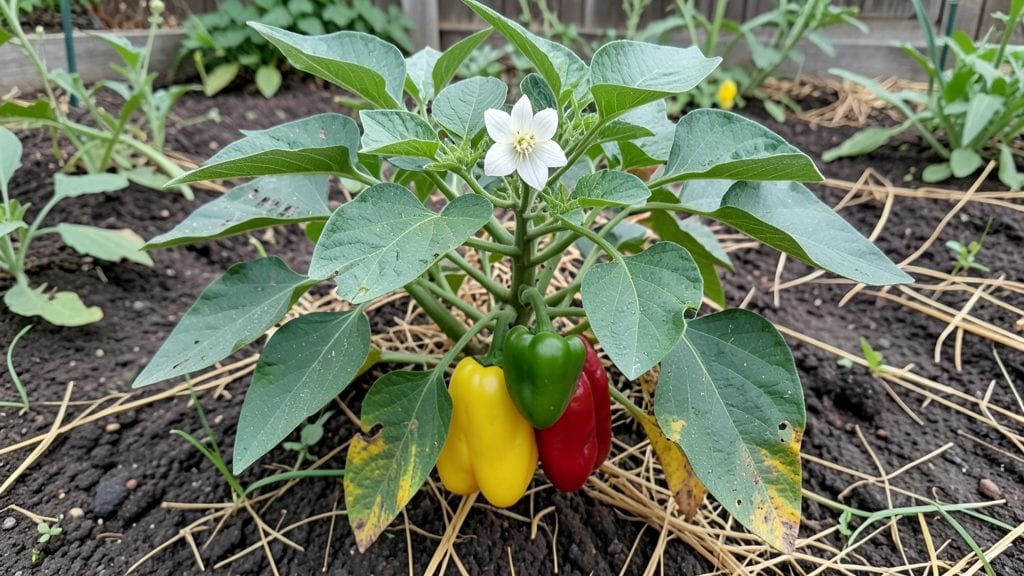
Growing bell peppers in square foot gardens turns even the smallest plot into a high-yielding treasure trove. 🌿 I learned this the hard way—my first attempt crammed too many plants, leading to stunted growth and bitter peppers.
The key? One plant per square foot, with the right soil mix and sunlight.
Start with a 12-inch deep raised bed filled with a mix of compost, peat moss, and vermiculite. Bell peppers thrive in well-draining soil with a pH between 6.0 and 6.8.
Place them in the grid using the square foot method: one pepper plant per square foot, arranged in a 4x4 grid for easy access and airflow.
You’ll see plump, glossy peppers within 70-80 days, depending on the variety. Water at the base to avoid wetting leaves, and mulch to retain moisture. Companion plants like basil or onions deter pests while boosting flavor. The payoff? A compact, productive garden that outshines traditional rows.
This method works for balconies, patios, or backyard plots—just adjust sunlight exposure. Perfect for urban gardeners or anyone short on space. Ready to grow more peppers in less room? Let’s dive into the details.
📚 In This Guide
- What you need
- Instructions
- Tips and common mistakes
- Wrapping up and next steps
What you need
- ● Square foot garden box: 4’x4’ wooden frame (or pre-made kit) with 1-inch grid lines for planting zones.
- ● High-quality soil: 1 part compost, 1 part peat moss, 1 part vermiculite (or store-bought square foot mix).
- ● Bell pepper seedlings: 1 plant per square foot (9 plants per 4’x4’ box). Choose disease-resistant varieties like Jalapeño, California Wonder, or Purple Beauty.
- ● Organic fertilizer: Balanced 5-5-5 or 10-10-10 (follow package rates for square foot gardening).
- ● Mulch: Straw or shredded leaves (2–3 inches) to retain moisture and suppress weeds.
- ● Drip irrigation or soaker hose: For consistent watering (avoid overhead sprinklers).
- ○ Plant supports (optional): Small stakes or cages if your pepper variety needs extra support.
- ● Garden trowel or transplanting tool (for precise planting in grid squares).
- ● Watering can or hose with adjustable nozzle (gentle watering prevents soil erosion).
- ● Gloves (to protect hands from soil and thorns).
- ● Pruning shears (for trimming dead leaves or excess growth).
- ○ pH testing kit (optional but helpful—bell peppers thrive in 6.0–6.8 pH).
- ● Sunlight: Full sun (6–8+ hours daily)—bell peppers are sun-worshippers!
- ● Warmth: Soil temp ≥60°F (use row covers early in the season if needed).
- ● Spacing: 12–18 inches between plants (adjust based on variety).
- ● Patience: Bell peppers take 70–90 days to mature—plan accordingly!
Step-by-Step instructions for square foot gardening bell peppers
Here’s my battle-tested method for growing bold, productive bell peppers in just a 1-foot square.
🪴 Step 1: Prepare Your Square Foot Grid
Start with a raised bed or frame divided into 1-foot squares. For bell peppers, you’ll plant 1 pepper per square—they need space to thrive. Clear any weeds or debris from the square, then fill it with 2-3 inches of compost mixed into the top layer of soil. This ensures nutrients are right where the roots will spread.
I like to add a handful of well-rotted manure (like cow or chicken) to each square before planting. This boosts fertility without overwhelming the peppers. Fluff the soil gently with your hands—it should feel loose and crumbly, like a well-aerated cake batter. Avoid compacting it; pepper roots need room to breathe.
🌱 Step 2: Plant Transplants at the Right Depth
Buy healthy pepper transplants with sturdy stems and no signs of yellowing. Dig a small hole in the center of the square deep enough to bury the plant up to its first set of leaves—this encourages stronger root growth. Gently remove the plant from its container and tease the roots if they’re circling tightly.
Place the pepper in the hole and firm the soil around it with your fingers. Water deeply right after planting to settle the soil and eliminate air pockets. Avoid wetting the leaves—focus on the base. If you’re planting multiple squares, space them at least 18 inches apart to prevent crowding and disease spread.
☀️ Step 3: Provide Warmth and Consistent Moisture
Bell peppers love full sun (6-8 hours daily) and warm soil (70-80°F). If your climate runs cooler, use a black plastic mulch over the square to absorb heat and suppress weeds. Water deeply 1-2 times per week, aiming for 1 inch of water total. You’ll know it’s enough when the top 2 inches of soil feel moist but not soggy—peppers hate wet feet.
I water in the morning so the foliage dries quickly, reducing fungal risks. Use a soaker hose or drip irrigation to keep water at the roots. Avoid overhead sprinklers—they can spread disease. Watch for yellowing leaves, which often signals overwatering or poor drainage. Adjust your watering schedule based on rainfall and heat.
✂️ Step 4: Prune and Support for Maximum Yield
When peppers reach 12-18 inches tall, pinch off the first few flowers to encourage stronger stem growth. This redirecting energy leads to bigger, healthier plants later. Once the plant is established, remove any suckers (small shoots growing in the leaf axils)—these drain energy from fruit production.
For extra support, tie the main stem to a small stake or cage as it grows. This prevents the plant from flopping over, especially when peppers get heavy. Harvest peppers when they’re firm and fully colored—this encourages more production. Use pruning shears to cut the stem just above a leaf node, leaving the plant looking tidy and ready for the next harvest.
🌿 Step 5: Fertilize and Maintain Through the Season
Feed your peppers every 3-4 weeks with a balanced fertilizer (10-10-10) or a tomato/vegetable-specific formula. I sprinkle a tablespoon of fertilizer per square and water it in. This keeps the plants vigorous without overloading them. Avoid high-nitrogen fertilizers—they’ll produce lots of leaves but few peppers.
Monitor for pests like aphids or spider mites—they love pepper plants. Spray with neem oil or insecticidal soap at the first sign of trouble. If you notice blossom end rot (black spots on peppers), increase calcium by adding crushed eggshells or a calcium supplement to the soil. With consistent care, your square-foot peppers will reward you with a bumper crop in just a few months!
Tips & tricks for perfect square foot gardening bell peppers
Square foot gardening is all about maximizing space, and bell peppers are perfect for this method—but there are a few tricks that'll help you get the most out of your tiny plots. Here's what I've learned after years of trial and error in my own garden.
The Soil Temperature Factor: Bell peppers need that 70-80°F soil temperature mentioned in Step 3, but here's the thing: soil warms up faster in black plastic mulch. I've found that laying down the mulch 2 weeks before planting helps raise soil temps quicker, especially in cooler climates. This head start gives your peppers a better chance to establish strong roots from day one.
Root Development Secret: When you plant those transplants in Step 2, don't just bury them up to the first set of leaves—give them a little extra depth if possible. I often bury them up to the second set of leaves when the soil is warm. This might seem counterintuitive, but it actually encourages a stronger root system that can better access nutrients from that 2-3 inches of compost we're adding in Step 1.
Watering Wisdom: That 1 inch of water per week guideline in Step 3 is perfect, but timing matters just as much. I've noticed my peppers thrive best when I water in the morning AND again in the late afternoon during peak summer heat. The double watering helps maintain consistent moisture in that top 2 inches of soil without creating soggy conditions. A simple watering can with a rose attachment makes this easy to manage.
Pruning Pro Tip: When you're pinching off those first few flowers in Step 4, here's a trick I picked up: look for the fourth or fifth node from the bottom of the plant. That's where you want to stop pruning—it's the sweet spot for balancing growth and fruit production. Also, always use clean pruning shears to avoid spreading disease between plants.
Pro Tips for Square Foot Gardening Bell Peppers
- Square foot gardening is all about maximizing space, and bell peppers are perfect for this method—but there are a few tricks that'll help you get the most out of your tiny plots.
- The Soil Temperature Factor: Bell peppers need that 70-80°F soil temperature mentioned in Step 3, but here's the thing: soil warms up faster in black plastic mulch.
- Root Development Secret: When you plant those transplants in Step 2, don't just bury them up to the first set of leaves—give them a little extra depth if possible.
Frequently asked questions
Got questions about growing bell peppers in square foot gardens?
You’re not alone! Here are answers to the most common concerns—from timing to troubleshooting—to help you grow a thriving harvest in minimal space.
What’s the best time to plant bell pepper seeds in a square foot garden?
Start seeds indoors 8–10 weeks before your last frost date (typically mid-March to early April in most zones). Transplant seedlings outdoors only after soil reaches 60°F+ and nighttime temps stay above 50°F. Bell peppers are heat-lovers—rushing them can stunt growth or invite pests.
Can I replant bell peppers in the same square foot garden next year?
Yes, but rotate crops to prevent disease and nutrient depletion. Bell peppers are part of the nightshade family (like tomatoes), so avoid planting them in the same spot for 3–4 years. Use the space for non-nightshade plants (e.g., beans, lettuce) in the meantime.
Why are my bell peppers turning yellow or dropping off the plant?
Yellowing peppers or premature drop-off usually signal underwatering, overwatering, or nutrient deficiencies. Check soil moisture (it should stay consistently damp but not soggy). Lack of calcium (blossom-end rot) or phosphorus can also cause issues. Try a balanced fertilizer (10-10-10) or compost tea.
What’s a good companion plant for bell peppers in a square foot garden?
Pair bell peppers with basil, marigolds, or onions to repel pests like aphids and spider mites. Avoid planting near fennel or brassicas (like cabbage), which can stunt growth. Use vertical space with cucumbers or beans to maximize yield without crowding.
Can I grow other pepper varieties (like jalapeños or habaneros) in the same square foot?
While possible, stick to one pepper type per square foot for best results. Mixing varieties can lead to cross-pollination (affecting heat levels) or competition for nutrients. If space is tight, opt for bushier varieties (like ‘Jupiter’ bell peppers) or use succession planting for smaller peppers.
Wrapping up and next steps
Square foot gardening is a game-changer for growing bell peppers—proving that small spaces can yield big rewards! 🌱 By following these steps, you’ll maximize your harvest, save space, and enjoy fresh, homegrown peppers all season long.
Whether you’re a beginner or a seasoned gardener, this method makes it easy to grow flavorful peppers in just a few square feet.
Ready to get started? Plant your first seeds or seedlings today—your future meals (and taste buds!) will thank you. Happy gardening! 🌿