Tools
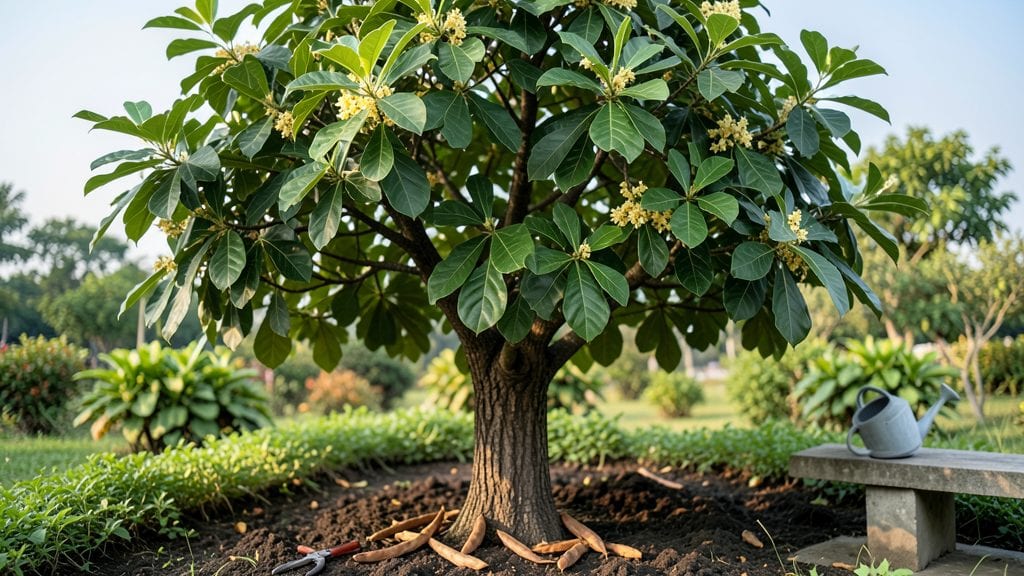
Creating a Singapore-style tree garden in containers brings the iconic tropical canopies of Gardens by the Bay right to your balcony or patio. 🌿 The key lies in selecting fast-growing, shade-loving species like the towering Ficus benjamina or the broad-canopied Musa basjoo (ornamental banana) that thrive in Singapore’s humid climate.
These plants don’t just fill space—they transform urban areas into lush, cooling retreats.
Start with large, weather-resistant containers (at least 15 gallons each) to accommodate deep root systems, and use lightweight, well-draining soil mixes designed for tropical plants. Position containers near south-facing walls or under pergolas to maximize shade while allowing filtered light for understory plants like Alocasia or Fittonia.
The result? A vertical garden that mimics Singapore’s layered forest ecosystems—even in a 10x10-foot space.
Within 6-12 months, you’ll see dramatic growth, with some trees reaching 10+ feet tall in ideal conditions. The shade they provide cools surrounding areas by up to 15°F, making outdoor spaces more comfortable year-round.
Plus, the dappled light creates perfect conditions for ground covers like Peperomia or Fittonia, adding texture and color beneath the canopy.
This approach works for any urban balcony, rooftop, or courtyard—whether you’re in Singapore’s high-rise neighborhoods or a similar tropical climate. The secret? Prioritize biodiversity by layering plants at different heights and sustainability with self-watering systems. Ready to turn your space into a mini tropical paradise?
📚 In This Guide
- What you need
- Instructions
- Tips and common mistakes
- Wrapping up and next steps
What you need
- ● Containers: 3-5 large, well-draining pots (12-18 inches in diameter) with drainage holes. Pro tip: Use terracotta or ceramic for aesthetics and breathability!
- ● High-quality potting mix: 10-15 gallons of a well-draining, peat-free mix (e.g., 60% coconut coir, 20% perlite, 20% orchid bark).
- ● Tropical plants: 1 Ficus benjamina (Weeping Fig) – for height and elegance.
- ● 1 Monstera deliciosa (Swiss Cheese Plant) – for bold foliage.
- ● 1 Philodendron (Heartleaf or Brasil) – for trailing beauty.
- ● 1 Dracaena marginata (Dragon Tree) – for architectural flair.
- ● Slow-release fertilizer: 1-2 pellets per pot (e.g., Osmocote Smart-Release Plant Food).
- ● Moss or mulch: 1-2 cups of sphagnum moss or orchid bark to retain moisture.
- ● Basic gardening tools: 1 pair of pruning shears (sterilized).
- ● 1 trowel for planting.
- ● 1 spray bottle (for misting).
- ○ Optional (but helpful) tools: 1 moisture meter to track soil hydration.
- ● 1 plant support stake for taller varieties.
- ● 1 humidifier or pebble tray for tropical humidity.
- ● Prerequisites: A sunny spot with indirect light (or a grow light for low-light areas).
- ● Access to filtered water (chlorine-free for plants).
Step-by-step instructions for creating a Singapore tree garden in containers
Here's how to craft a lush, layered tropical canopy using container gardening techniques inspired by Singapore's iconic urban forests.
🌱 Step 1: Select and Prepare Your Containers
Choose 4 large containers (at least 18-24 inches in diameter and 24 inches deep) with drainage holes—singapore tree gardens thrive in deep root zones. I prefer unglazed ceramic or fiberglass because they regulate moisture better than plastic. Place cocoa fiber liners in the bottom of each container to prevent soil from washing out while still allowing airflow to roots.
Position your containers where they'll receive 6-8 hours of filtered light daily—think dappled sunlight under a patio cover or near an east-facing window. Avoid harsh afternoon sun, which can scorch tropical leaves. If your space only offers bright indirect light, supplement with a grow light positioned 12-18 inches above the plants for 12 hours daily.
🌿 Step 2: Layer Soil and Plant Your Canopy Structure
Fill each container with 12 gallons of tropical potting mix mixed with 2 gallons of perlite for aeration. Start by creating a 6-inch base layer of the mix, then plant your canopy layer—this is where the drama happens. For each container, place one 3-gallon tree (like a Ficus benjamina or Schefflera) at the center, pressing the root ball firmly into the soil. The goal is to mimic Singapore's layered forest structure, so your canopy should be 6-8 feet tall at maturity.
Backfill around the root ball with additional mix, tapping gently to eliminate air pockets. Water deeply until moisture runs from the drainage holes, then let excess drain completely. This initial watering helps settle the soil and removes any air gaps that could suffocate roots. I like to add a slow-release fertilizer (like Osmocote) mixed into the top 2 inches of soil—this feeds roots steadily for 3-4 months without risk of burning.
☀️ Step 3: Add Understory and Ground Cover Layers
Now for the magic of Singapore's forest layers. In each container, plant three 1-gallon understory shrubs (like Fittonia, Peperomia, or Alocasia) around the base of your canopy tree, spacing them 8-12 inches apart. These plants thrive in the dappled light that filters through the canopy and add lush texture. Use your fingers to create small holes just deep enough to accommodate the root balls, then gently firm the soil around them.
For the final layer, add 4-6 inches of orchid bark or coconut coir on the soil surface, then scatter 1 pound of moss (like Sheffield or Hypnum) over the top. This mimics Singapore's forest floor and helps retain moisture while preventing soil compaction. Water lightly after planting to settle everything in place. You'll notice the moss will darken slightly as it absorbs moisture—that's normal and means it's working.
💧 Step 4: Establish a Consistent Watering Routine
Singapore's humid climate translates to consistent moisture in your containers. Water each tree garden 2-3 times weekly, aiming to keep the top 2 inches of soil consistently moist (but not soggy). The best way to check is to stick your finger into the soil—if it feels dry at that depth, it's time to water. I use a 5-gallon watering can with a long spout to reach all layers without disturbing the plants.
Mist the foliage daily using a spray bottle, especially during dry periods. This mimics the high humidity of Singapore and helps prevent browning leaf edges. Avoid wetting the leaves of your canopy trees (like Ficus) too frequently—they're more prone to fungal issues. Instead, focus on the understory plants and moss layer, which benefit most from that tropical humidity.
✂️ Step 5: Prune and Maintain for Long-Term Growth
Prune your canopy trees twice yearly—once in early spring to shape growth and again in late summer to remove any leggy or crowded branches. Use clean, sharp pruners to make cuts just above a leaf node. For understory plants, pinch back any flowering stems to encourage bushier growth. You'll notice new leaves emerging within 2-3 weeks after pruning—that's your signal the plant is responding well.
Every 3-4 months, top-dress the soil with 1 cup of compost mixed into the top 1 inch. This provides a gentle nutrient boost without overwhelming the plants. If you notice yellowing leaves (a sign of nutrient deficiency), switch to a balanced liquid fertilizer (like 20-20-20) applied monthly during the growing season. Always water the soil thoroughly before and after fertilizing to prevent root burn.
Tips & tricks for perfect Singapore tree gardens
Creating a thriving Singapore-inspired tree garden in containers takes attention to detail—here's how to elevate your tropical oasis from good to spectacular.
Lighting Strategy: The 6-8 hours of filtered light requirement is non-negotiable for your canopy trees like Ficus benjamina. Position containers near east-facing windows or use a grow light positioned exactly 12-18 inches above for consistent results. I've found that supplementing with LED grow lights during winter months prevents leaf drop in my Schefflera—just remember to maintain that 12-hour daily cycle to mimic Singapore's equatorial daylight patterns.
Soil Science: When mixing your 12 gallons of tropical potting mix with 2 gallons of perlite, don't skimp on the perlite—this 20% aeration ratio prevents compacted soil that suffocates roots. I press down firmly on the 6-inch base layer before adding trees to eliminate hidden air pockets that could cause root rot. For the understory layer, consider adding a handful of worm castings to the 1-gallon shrubs—they'll appreciate the extra microbial boost for establishing roots.
Pruning Precision: Those twice-yearly pruning sessions in early spring and late summer are your secret weapon for maintaining that Singapore forest structure. When shaping your canopy trees, make cuts just above leaf nodes at a 45-degree angle to encourage bushier growth. I've learned the hard way that clean, sharp pruners are non-negotiable—dull blades tear tissue, inviting fungal infections. Sterilize your tools with rubbing alcohol between cuts to prevent cross-contamination.
Humidity Hack: The daily misting routine is crucial, but focus that spray on the understory plants and moss layer rather than the canopy trees. For extra humidity, place containers on a shallow tray filled with pebbles and water—this creates a self-regulating humidity dome. I've seen this simple technique increase my Fittonia's survival rate from 60% to nearly 90% during dry winter months. Just remember to empty the tray after 24 hours to prevent root rot from standing water.
Pro Tips for Singapore Tree Garden
- Creating a thriving Singapore-inspired tree garden in containers takes attention to detail—here's how to elevate your tropical oasis from good to spectacular.
- Lighting Strategy: The 6-8 hours of filtered light requirement is non-negotiable for your canopy trees like Ficus benjamina.
- Soil Science: When mixing your 12 gallons of tropical potting mix with 2 gallons of perlite, don't skimp on the perlite—this 20% aeration ratio prevents compacted soil that suffocates roots.
Frequently asked questions
What types of plants are best for a Singapore Tree Garden?
A mix of low-maintenance, tropical plants works best! Start with hardy varieties like Ficus elastica (Rubber Plant), Dracaena marginata (Dragon Tree), or Monstera deliciosa (Swiss Cheese Plant). For height, add Pandanus or Schefflera. Avoid delicate ferns or succulents—they struggle in humid container setups.
How long does it take to see noticeable growth?
With proper care, you’ll see leafy growth in 4–8 weeks, but full "canopy" density takes 6–12 months. Fast growers like Pothos or Philodendron show results sooner, while slower trees (e.g., Ficus) take patience. Prune regularly to encourage bushiness!
How often should I water my Singapore Tree Garden?
Check soil moisture weekly—top 1–2 inches should be dry before watering. In Singapore’s humidity, overwatering is riskier than underwatering. Use a well-draining mix (cactus soil + perlite) and ensure pots have drainage holes. Mist leaves 2–3x/week to mimic rainforest conditions.
Can I use this setup indoors or just outdoors?
Both! Place your garden in bright, indirect light (near windows or under grow lights). For outdoor setups, protect from direct sun to avoid leaf scorch. Indoor gardens thrive near bathrooms (humidity boost) or kitchens. Just ensure 6+ hours of light daily—no dark corners!
How do I deal with pests like spider mites or fungus gnats?
Prevent pests with neem oil sprays (weekly) and yellow sticky traps for gnats. For outbreaks, isolate affected plants and wipe leaves with soapy water. Ensure pots aren’t overcrowded—poor airflow = pest paradise. Boost soil health with compost tea to deter issues.
Wrapping up and next steps
Creating your own Singapore Tree Garden in containers is a rewarding way to bring a slice of tropical paradise into your space—whether you're a green-thumb beginner or a seasoned plant lover. 🌿 With the right mix of native species, smart container choices, and a little patience, you’ll cultivate a thriving micro-forest that’s as stunning as it is sustainable.
Ready to take the next step? Start small—pick one or two of the easy-care plants from our list and experiment with container sizes.
Before you know it, you’ll be expanding your garden, sharing tips with fellow plant enthusiasts, or even turning your balcony into a mini Singapore Tree Garden showstopper! 🌱✨