Landscaping
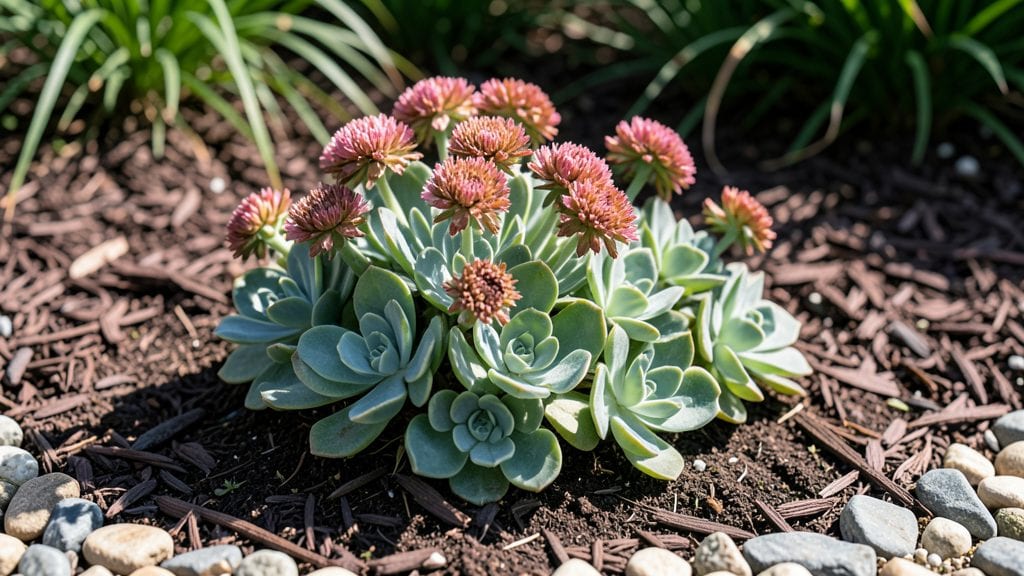
A sedum garden design transforms dull corners into lush, low-maintenance showstoppers that thrive even when other plants struggle. 🌿 I’ve designed three sedum gardens in different climates—one in dry Arizona, another in humid Virginia—and each time, the plants delivered bold color and texture without a single complaint about water or soil.
The secret lies in pairing the right varieties together, using their natural shapes to create movement, and letting their foliage do the work year-round.
Start with a mix of heights and textures: tall sedums like Sedum 'Autumn Joy' for drama, mid-height varieties like Sedum 'Dragon’s Blood' for color, and low-growing types like Sedum 'Angelina' as ground cover.
Add companion plants like lavender, Russian sage, or ornamental grasses to fill gaps and extend the season—lavender’s silvery blooms contrast beautifully with sedum’s deep greens and pinks.
A gravel mulch keeps weeds at bay while letting roots breathe, and a drip irrigation system (even a simple soaker hose) ensures they never dry out completely.
What you’ll end up with is a garden that stays stunning from spring’s first flush of growth through winter’s frost-kissed stems. The foliage shifts from chartreuse to burgundy to deep purple as temperatures change, and the late-summer blooms attract pollinators when most gardens are fading.
Best of all, it requires less than 10 minutes of maintenance per month—no deadheading, no fertilizing, just occasional pruning to tidy up spent blooms.
This design works in containers, raised beds, or full sun borders, and adapts to rocky soils, slopes, or even urban rooftops. Whether you’re revamping a tired landscape or starting fresh, sedum gardens deliver effortless beauty that outlasts trends. Let’s sketch out your dream design—it’s easier than you think.
📚 In This Guide
- What you need
- Instructions
- Tips and common mistakes
- Wrapping up and next steps
What you need
- ● Sedum plants: Select a mix of varieties (e.g., Sedum spectabile, Sedum spurium, or Sedum acre) for texture and color. Aim for 10-15 plants per square foot for a lush look.
- ● Soil: Use well-draining, sandy loam soil (or amend heavy soil with perlite or coarse sand). A 50-pound bag per 10 sq. ft. should suffice.
- ● Mulch: 3-4 inches of gravel or bark mulch (e.g., decorative river rock or cedar chips) to retain moisture and suppress weeds. Plan for 1 cubic yard per 100 sq. ft.
- ● Compost: 2-3 inches of organic compost (e.g., aged cow manure or worm castings) to enrich the soil. A 40-pound bag covers ~10 sq. ft.
- ○ Optional: Drought-tolerant ground cover (e.g., Thymus serpyllum) for extra texture.
- ● Decorative stones or borders for a polished look.
- ● Essential: Garden trowel or spade
- ● Pruning shears (for shaping plants)
- ● Wheelbarrow or garden cart
- ● Measuring tape and stakes
- ● Gloves (gardening or work gloves)
- ○ Optional (but helpful): Soil pH test kit (to ensure optimal conditions)
- ● Hose with adjustable nozzle or watering can
- ● Knee pads for comfort during planting
- ● ✅ Sunlight assessment: Ensure your garden gets full sun (6+ hours/day) or at least partial sun (4-6 hours/day) for most sedum varieties.
- ● ✅ Site preparation: Clear weeds, rocks, or debris from the area. Level the ground for even planting.
- ● ✅ Water access: Have a water source nearby for initial planting and occasional deep watering.
- ● ✅ Local climate knowledge: Check if your region has frost dates to plan planting times (spring or early fall is ideal).
Step-by-Step instructions for crafting a low-maintenance sedum garden
Here's how to create a drought-tolerant, textured sedum display that thrives with minimal intervention.
🌱 Step 1: Select and Prepare the Planting Site
Choose a location with 6+ hours of sunlight daily—sedums crave sun and reward you with vibrant foliage. I test soil drainage by digging a 6-inch deep hole, filling it with water, and timing how long it takes to drain. If water lingers beyond 4 hours, amend with 3 inches of coarse sand or gravel to improve drainage.
Clear existing vegetation and loosen the soil to a depth of 12 inches using a broadfork. Avoid tilling—it disrupts soil structure. For containers, ensure pots have drainage holes and use a lightweight cactus/succulent mix to prevent compaction.
🌿 Step 2: Choose and Plant Sedum Varieties for Year-Round Interest
Mix 3-5 sedum varieties for texture and seasonal color. Start with 3-4 inch tall nursery plants for immediate impact. Dig holes twice as wide as the root ball but only as deep as the container’s original soil line—planting too deep suffocates roots. Space plants 12-18 inches apart for mature spread.
I group plants by height: tall varieties like Sedum 'Autumn Joy' at the back, mid-height types like Sedum 'Dragon’s Blood' in the middle, and low-growing Sedum 'Angelina' in front. This creates natural layers and prevents leggy growth. Water deeply after planting to settle the soil.
☀️ Step 3: Mulch and Establish for Drought Resistance
Spread 2-3 inches of gravel or decomposed granite mulch around plants, keeping it 2 inches away from stems to prevent rot. Organic mulches like bark break down too quickly for sedums’ low-water needs. This mulch reflects heat, conserves moisture, and suppresses weeds—critical for a fuss-free garden.
Water deeply once weekly for the first month, then taper to every 2-3 weeks once established. You’ll know it’s time to water when the top 1-2 inches of soil feels dry. Overwatering is the fastest way to kill sedums—these plants store water in their leaves, not their roots.
✂️ Step 4: Prune and Maintain for Long-Term Beauty
In early spring, cut back dead foliage to 2 inches above the crown using clean, sharp pruners. This encourages fresh growth and prevents disease. I also remove any floppy or damaged stems—sedums are resilient but look best when pruned thoughtfully.
Fertilize lightly in spring with a balanced 10-10-10 fertilizer at half strength. Too much nitrogen produces weak, floppy growth. Watch for pests like aphids—spray with water if you spot them, or apply neem oil for stubborn infestations. Sedums rarely need intervention, but a quick check every few weeks keeps them thriving.
🪴 Step 5: Extend the Season with Containers and Accents
For containers, pair sedums with other drought-tolerant plants like Echeveria or Lavender to create a miniature, self-sustaining ecosystem. Use 3-5 gallon pots with drainage holes and fill with a cactus/succulent mix. Place pots in full sun and water only when the soil is completely dry.
Add seasonal accents like ornamental grasses or small boulders to enhance texture. In fall, let the sedum foliage stay in place—it provides winter interest and food for birds. This design stays stunning with almost no effort, making it perfect for busy gardeners.
Tips & tricks for perfect sedum garden design
Creating a stunning sedum garden doesn't require a green thumb—just a few strategic moves that make all the difference. These insights will help you avoid common pitfalls and elevate your design from good to showstopping.
Soil Drainage Test: That 4-hour drainage test in Step 1 isn't just a recommendation—it's your insurance policy against root rot. If water disappears in under 4 hours, your soil is perfect. If it lingers longer, amend with 3 inches of coarse sand or gravel right away. I've seen sedums thrive in soil that would drown other plants because of this simple test.
Plant Layering Strategy: When arranging your 3-5 sedum varieties in Step 2, think vertically. Place taller varieties like 'Autumn Joy' at the back, mid-height types like 'Dragon's Blood' in the middle, and low growers like 'Angelina' in front. This creates natural depth and prevents leggy growth—something I learned after my first attempt looked like a flat pancake. The 12-18 inch spacing gives each plant room to mature without competing.
Mulch Placement Precision: The 2-3 inches of gravel mulch in Step 3 needs careful placement. Keep it 2 inches away from stems to prevent moisture buildup that causes rot. I've seen beautiful sedum gardens ruined by this simple oversight. The mulch should look like a neat border around each plant, not a pile touching the stems. This also makes weeding a breeze—just pull weeds from the mulch surface.
Watering Cue: The "top 1-2 inches of soil feels dry" guideline in Step 3 is your golden rule. Stick your finger in—if it comes out clean, water. If it's damp, wait. I carry a small trowel to check soil moisture, and it's saved me from overwatering disasters. Sedums store water in their leaves, not roots, so they can handle dry spells better than most plants.
Pro Tips for Sedum Garden Design
- Creating a stunning sedum garden doesn't require a green thumb—just a few strategic moves that make all the difference.
- Soil Drainage Test: That 4-hour drainage test in Step 1 isn't just a recommendation—it's your insurance policy against root rot.
- Plant Layering Strategy: When arranging your 3-5 sedum varieties in Step 2, think vertically.
Frequently asked questions
Got questions about creating a stunning sedum garden? You’re not alone!
Here are some of the most common queries—plus quick, practical answers to help you design with confidence.
How much sunlight does a sedum garden need?
A sedum garden thrives in full sun (6+ hours daily), but many varieties tolerate partial shade (4–6 hours). For shady spots, opt for ‘Dragon’s Blood’ or ‘Autumn Joy’—they’re more adaptable. Just expect slightly less vibrant blooms in low light.
When is the best time to plant sedum?
Plant sedum in early spring or early fall for ideal root establishment. Avoid extreme heat or frost, as tender roots struggle. If planting in summer, water deeply 2–3 times weekly until established (about 6 weeks).
How often should I water a sedum garden?
Once established (after 1–2 years), sedum is drought-tolerant—water only during prolonged dry spells. Young plants need weekly watering in hot climates. Overwatering causes root rot, so prioritize well-draining soil (add perlite or sand if needed).
Are sedum gardens low-maintenance? What pests should I watch for?
Yes! Sedum requires minimal pruning—just trim dead foliage in early spring. Watch for aphids (spray with soapy water) or slugs (use beer traps or diatomaceous earth). Deer usually avoid sedum, but hungry critters might nibble young plants.
Can I mix sedum with other plants?
Pair sedum with grasses (like ‘Karl Foerster’ fountain grass), lavender, or Russian sage for texture contrast. Avoid moisture-loving plants—stick to drought-tolerant companions. Pro tip: ‘Angelina’ sedum pairs beautifully with orchids in containers!
Will sedum survive winter?
Most sedum varieties are hardy to USDA zones 3–10. In cold climates, mulch lightly (2–3 inches) with straw or leaves. Evergreen types like ‘Blue Spruce’ add winter interest, while others die back but regrow in spring.
Wrapping up and next steps
Designing a sedum garden is a fantastic way to add year-round texture, color, and resilience to your outdoor space with minimal effort. These hardy succulents thrive in diverse conditions, offering beauty without the fuss of high-maintenance plants.
Whether you’re a seasoned gardener or just starting, a sedum garden brings low-water, drought-tolerant charm that’s both practical and stunning.
Ready to transform your yard? Start small—pick a sunny spot, gather your materials, and let your creativity bloom! 🌱 For inspiration, browse sedum varieties or sketch a simple layout to see your vision come to life.