Planting
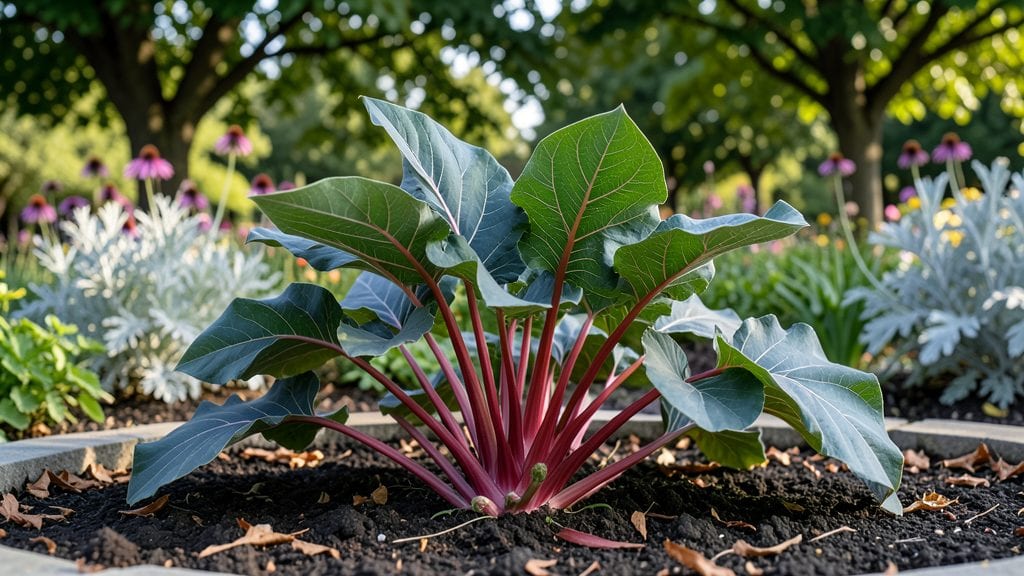
Mastering a few essential rhubarb gardening tips turns this surprisingly low-maintenance crop into a perennial feast—once you nail the basics, you’ll feast on bright pink stalks for years without replanting. I still remember the first time I tasted homegrown rhubarb: tart, crisp, and nothing like the store-bought version.
The secret isn’t complicated, but it does take patience. This hardy perennial thrives in cool climates and actually hates hot summers, which is why timing your planting matters more than you’d think.
Start with a sunny spot and well-draining soil—rhubarb roots need room to spread, so dig a 12-inch-deep trench and mix in compost before planting crowns in early spring. Water deeply once a week (more in dry spells), and skip the fertilizer unless your soil tests poor.
The real magic happens in late winter, when you’ll prune old stalks to ground level and watch fresh growth emerge. By mid-spring, you’ll have enough stalks to share with neighbors—just leave at least 10 stalks on the plant for regrowth.
📚 In This Guide
- What you need
- Instructions
- Tips and common mistakes
- Wrapping up and next steps
What you need
- ● Rhubarb crowns: 2–3 healthy, disease-free crowns (choose varieties like 'Victoria' or 'Strawberry' for beginners).
- ● Well-draining soil: Rich in organic matter (compost or aged manure). Aim for a pH of 6.0–6.8.
- ● Sunlight: Full sun (6+ hours daily) or partial shade in hot climates.
- ● Water: Consistent moisture (1–2 inches per week, especially during flowering).
- ● Garden fork or tiller: For loosening soil (12–18 inches deep).
- ● Garden gloves: Heavy-duty to protect hands while handling crowns.
- ● Pruners or shears: Sharp, clean tools for trimming stalks (sterilize with rubbing alcohol).
- ○ Mulch (optional but recommended): Straw or wood chips (2–3 inches) to retain moisture and suppress weeds.
- ○ Fertilizer (optional): Balanced 10-10-10 or compost tea in early spring.
- ● 🌡️ Plant in early spring (March–April) or fall (September–October) for best root establishment.
- ● ✨ Space crowns 3–4 feet apart to allow airflow and prevent disease.
- ● 🎯 Avoid planting in low-lying areas where water pools—rhubarb hates soggy roots!
Instructions for planting and maintaining rhubarb for a bountiful harvest
Here’s how to establish a thriving rhubarb patch that delivers tender stalks for years.
Select the Perfect Planting Site and Prepare the Soil
Rhubarb thrives in cool climates and needs full sun to partial shade—at least 6 hours of direct sunlight daily—but will tolerate light shade in hotter regions. Choose a spot with well-draining soil, as soggy roots lead to rot. I always test soil pH first; rhubarb prefers 6.0 to 6.8. If your soil is heavy clay, amend it with 2-3 inches of compost mixed into the top 12 inches of soil.
Dig a hole twice as wide as the root crown but no deeper. The crown should sit just below the soil surface—burying it too deep suffocates the plant, while leaving it exposed risks frost damage. Space crowns 4-5 feet apart for mature plants, as they spread aggressively. Rhubarb is a perennial, so invest time in the site—it can live for decades with proper care.
Plant Crowns Correctly for Long-Term Growth
Place the rhubarb crown in the hole with the buds facing upward—these are the small, plump growth points that will sprout into stalks. Spread the roots gently outward, ensuring they don’t twist or fold. Fill the hole with soil, pressing lightly to eliminate air pockets, but avoid compacting it. Water deeply immediately after planting to settle the soil and encourage root contact.
Mulch around the base with 2-3 inches of organic mulch (like straw or shredded leaves) to retain moisture and suppress weeds. This is critical in the first year, as young plants establish roots. Avoid fresh wood chips—they can tie up nitrogen and stunt growth. Water once a week for the first month, then reduce to every 10-14 days once established, depending on rainfall.
Manage Watering and Fertilization for Optimal Stalks
Rhubarb is drought-tolerant once established, but consistent moisture produces sweeter, thicker stalks. Water deeply once a week during dry spells, aiming for 1 inch of water per week. You’ll know it’s enough when the top 2 inches of soil feel damp—not soggy. Overwatering in winter can cause crown rot, so reduce watering in late fall and winter unless the ground is exceptionally dry.
Fertilize lightly in early spring with a balanced 10-10-10 fertilizer (about ½ pound per 100 square feet). Rhubarb doesn’t need heavy feeding—too much nitrogen produces leafy growth at the expense of stalks. I skip fertilizer in the second year unless the soil is particularly poor. Always water after fertilizing to prevent root burn.
Prune and Harvest Strategically for Longevity
Never harvest rhubarb in its first year—let the plant focus on root and crown development. In year two, wait until the stalks reach 8-10 inches tall before cutting. Use a sharp knife or pruners to snip stalks at the base, leaving the leaf crown intact. This ensures the plant continues photosynthesizing for next year’s growth. Harvest no more than one-third of the stalks in a single season to avoid stressing the plant.
Deadhead spent flower stalks in late spring to redirect energy to leaf and stalk production. If you notice yellowing leaves, it’s often a sign of overcrowding—divide mature clumps every 4-5 years in early spring. Dig up the crown, separate the sections, and replant them immediately. This rejuvenates the plant and prevents disease buildup in the soil.
Protect and Overwinter for Year-Round Success
Rhubarb is hardy in USDA zones 3-8, but young plants benefit from 2-3 inches of mulch in winter to insulate roots. In colder zones, add a thick layer of straw or leaves after the first hard frost. Avoid heavy mulch in hot climates—it can smother the plant. Prune back any damaged or diseased foliage in early spring before new growth begins.
Watch for crown rot if winters are wet—this appears as mushy, discolored crowns. Improve drainage by amending soil with sand or perlite if needed. Rhubarb rarely needs pesticides, but aphids can be an issue. Blast them off with a strong stream of water or treat with neem oil if infestations persist. With proper care, your rhubarb will reward you with harvests for 20+ years.
Tips & tricks for perfect rhubarb gardening
A thriving rhubarb patch requires attention to detail, and these proven strategies will help you avoid common pitfalls while maximizing your harvest potential.
The Soil Preparation Secret: When amending heavy clay soil with 2-3 inches of compost, I recommend mixing it into the top 12 inches—not just the surface. This creates a looser, more aerated root zone that prevents waterlogging, which is the number one cause of crown rot in rhubarb. For even better drainage, work in a handful of perlite or coarse sand during this process. The goal is to mimic the well-draining conditions rhubarb craves in its native habitats.
Planting Depth Precision: The instructions mention placing the crown just below soil level, but here's what I've learned: if your climate experiences freeze-thaw cycles, bury the crown slightly deeper (about 1 inch below surface) for added winter protection. In milder climates, you can leave it closer to the surface. The key visual cue is that the top buds should remain visible above soil—this ensures they won't suffocate while still protecting the vulnerable crown from extreme temperatures.
Watering Wisdom: That 1-inch weekly watering guideline works perfectly for established plants, but young rhubarb needs more frequent attention. In the first growing season, water every 5-7 days rather than waiting for the 10-14 day interval. The top 2 inches of soil should always feel damp to the touch—like a wrung-out sponge—not bone dry. I've found that morning watering prevents fungal issues, as wet foliage overnight creates ideal conditions for disease development.
Harvesting Timeline: The 8-10 inch stalk height guideline is excellent, but here's an additional tip: wait until the stalks are at least ½ inch in diameter before harvesting. Thinner stalks tend to be more fibrous and less tender. Also, harvest in the morning after dew has dried but before the sun gets too intense—this preserves the crispness of the stalks. I've noticed that stalks harvested in the afternoon often have a slightly mealy texture, likely due to daytime heat stress.
Pro Tips for Rhubarb Gardening Tips
- A thriving rhubarb patch requires attention to detail, and these proven strategies will help you avoid common pitfalls while maximizing your harvest potential.
- The Soil Preparation Secret: When amending heavy clay soil with 2-3 inches of compost, I recommend mixing it into the top 12 inches—not just the surface.
- In milder climates, you can leave it closer to the surface.
Frequently asked questions
Got questions about growing rhubarb? You’re not alone!
Here are answers to the most common queries from gardeners—whether you’re a newbie or looking to level up your harvest.
When is the best time to plant rhubarb?
Plant rhubarb crowns in early spring (as soon as the soil is workable) or in fall (4-6 weeks before the first frost). Avoid planting in summer heat, which can stress young plants. Choose a spot with full sun to partial shade for optimal growth.
How long does it take for rhubarb to produce stalks?
Be patient! Rhubarb is a perennial, meaning it takes 2-3 years to establish and produce edible stalks. In the first year, focus on helping the roots grow strong—harvesting too early can stunt the plant. After year 3, you’ll enjoy a bountiful harvest!
Why is my rhubarb turning red or pink?
Red or pink stalks are normal and safe to eat, but they’re less tender and milder in flavor. Overripe stalks or excessive sun can trigger this color change. To prevent it, harvest stalks when they’re 6-8 inches tall and provide light shade if your climate is very sunny.
Can I eat rhubarb leaves?
No!
Rhubarb leaves contain oxalic acid, which is toxic if consumed. Only harvest the stalks (the leafy part attached to the stem). Always remove leaves before cooking or composting them safely.
How do I revive a struggling rhubarb plant?
If your rhubarb looks wilted or weak, check for overcrowding (they need space!) or poor drainage. Split mature plants every 4-5 years to rejuvenate growth. Water deeply during dry spells, and mulch to retain moisture. Avoid fertilizing heavily—rhubarb prefers lean soil.
Does rhubarb survive winter?
Yes! Rhubarb is hardy in USDA zones 3-9 and thrives in cold climates. Mulch heavily with straw or leaves in late fall to protect roots. In mild winters, you might even see early spring shoots—just wait to harvest until after the last frost.
Wrapping up and next steps
Growing rhubarb is a rewarding journey—once you master the basics of well-drained soil, sunlight, and patience, you’ll enjoy a bountiful harvest for years! 🌱 With the right pruning techniques, pest control, and seasonal care, your rhubarb plants will thrive even in colder climates.
Now that you’re armed with these rhubarb gardening tips, it’s time to roll up your sleeves and get planting!
Ready to take the next step? Start small—plant a few crowns this spring and watch your garden flourish. Happy growing! 🌟