Pests
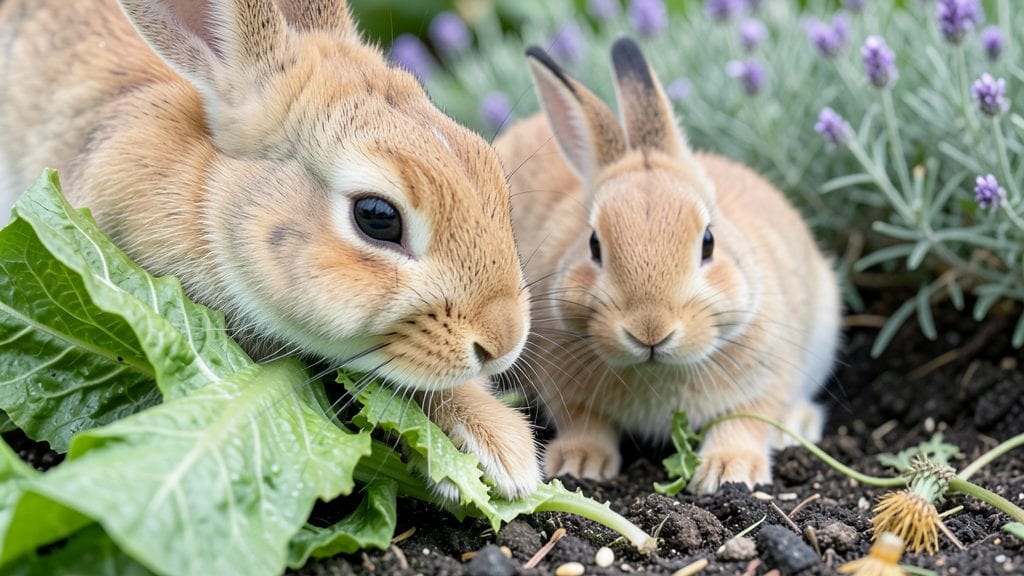
Rabbits eating garden plants can turn your hard work into a buffet overnight. 🌱 I’ve lost entire rows of lettuce and tulips to these fuzzy thieves, but I’ve also learned which deterrents actually work—and which are just rabbit distractions.
The key is combining physical barriers with natural repellents. A sturdy 8-foot-tall fence keeps them out completely, while chicken wire wrapped around young plants gives them a less appealing snack. I’ve also had success with commercial rabbit repellents—just reapply after rain.
You’ll see immediate results with proper placement: sprinkle hot pepper flakes around borders, plant rosemary or lavender (rabbits hate the smell), and avoid leaving pet food outside. Even a few motion-activated sprinklers can scare them off for good.
This approach works for any garden size, from small containers to full raised beds. The trick is consistency—rabbits are persistent, but so are these methods when you stick with them.
📚 In This Guide
- What you need
- Instructions
- Tips and common mistakes
- Wrapping up and next steps
What you need
- ● Chicken wire or hardware cloth – Minimum 1/2-inch mesh, enough to cover vulnerable garden beds (e.g., 4' x 8' sheets for small plots).
- ● Stakes or garden posts – 6-12 stakes per 4' section to secure wire in place (galvanized or treated wood lasts longer).
- ● Twine, zip ties, or wire fencing staples – For fastening wire to stakes or ground.
- ● Compost or mulch – Organic options like straw or wood chips (2-3 inches deep) to smother weeds and deter digging.
- ● Plant-based repellents – Garlic, chili pepper, or commercial rabbit repellent sprays (e.g., blank">Bonide Repels).
- ● Gloves and pruners – For safe handling of plants and materials.
- ● Motion-activated sprinklers – Solar-powered options like blank">Orbit Enforcer startle rabbits with water bursts.
- ● Dog or cat fur – Scatter near garden edges to mimic predators (renew every few days).
- ● Lavender or rosemary plants – Strong-scented herbs rabbits dislike (plant in pots or borders).
- ● DIY spice blends – Mix cayenne pepper, black pepper, and crushed red pepper in a spray bottle with water.
- ● Temporary fencing (e.g., rabbit-proof netting) – For young seedlings or high-value crops.
Humane methods to keep rabbits out of your garden
Here’s how to create a rabbit-proof garden without harming these creatures—using barriers, repellents, and habitat tweaks that actually work.
🌱 Step 1: Install Physical Barriers at Planting Time
Rabbits can’t jump over 2 feet of height, so I use wire mesh fencing (at least 18 inches tall) buried 6 inches deep to block their tunneling. For raised beds, wrap the mesh around the frame before planting—rabbits will nibble at the edges otherwise. Secure the top with heavy garden staples, not just clips, because they’ll chew through flimsy fasteners.
If fencing isn’t an option, try chicken wire laid flat around vulnerable plants like lettuce or tulips. The prickly texture deters them without harm. Just bury the edges or weigh them down with rocks so rabbits don’t lift it up. I’ve seen them try—it’s comical but frustrating.
💧 Step 2: Apply Natural Repellents Strategically
Rabbits avoid strong smells, so I spray plants with a mix of garlic, hot pepper, and rotten eggs (1 part each) diluted in water. Reapply every 3-5 days after rain. For a ready-made option, use commercial rabbit repellent sprays containing castor oil—they’re non-toxic but foul-tasting to rabbits. Always test sprays on a small area first; some can damage tender leaves.
I also scatter predator urine granules (like fox or coyote) around the garden perimeter. The scent triggers their flight instinct. Refresh the granules after heavy rain or every 2 weeks. Place them near high-traffic rabbit paths where you’ve spotted fresh nibbles.
☀️ Step 3: Modify the Garden Habitat to Discourage Visits
Rabbits prefer open, low-cover areas where they can spot predators easily. I plant thorny shrubs like roses or barberries along garden edges to create natural barriers. These also provide shelter for beneficial insects, which rabbits avoid. For ground cover, use lavender or thyme—their strong fragrance deters rabbits while adding beauty.
Remove brush piles and tall grass where rabbits hide during the day. Keep the garden area well-traveled by walking through it daily—rabbits dislike the human scent and noise. If you have a compost pile, move it farther from the garden; the smell attracts them like a buffet.
✂️ Step 4: Use Motion-Activated Deterrents
Rabbits are skittish by nature, so I place motion-activated sprinklers near problem areas. The sudden burst of water startles them without causing harm. Set them to activate at dawn and dusk when rabbits are most active. Pair these with reflective tape or old CDs hung from strings—they create flashing light patterns that confuse rabbits.
For a quieter option, try ultrasonic repellents, though their effectiveness varies. I’ve had mixed success with them, so I rely on them as a secondary layer after barriers and repellents. Always place them near rabbit entry points, not in the center of the garden where the sound may scatter beneficial insects.
🌿 Step 5: Monitor and Adjust Your Approach
Check for fresh damage every morning—rabbits feed at dawn, so you’ll catch them in the act. Look for clean-cut stems (not jagged tears from insects) and droppings near affected plants. If you spot new nibble marks, reinforce weak spots immediately. I keep a journal of rabbit activity to track patterns and adjust deterrents seasonally.
In late summer, rabbits focus on tender new growth, so I prioritize protecting seedlings and young plants. By fall, they target bulbs and stored roots, so I add extra mulch around vulnerable areas. The key is persistence—rabbits will test your defenses, but consistency wins in the end.
Tips & tricks for humane rabbit deterrents that actually work
These battle-tested strategies will help you create a rabbit-resistant garden without causing harm—because even pests deserve humane treatment.
The Height Factor: When installing your 18-inch wire mesh fence in Step 1, don't skimp on height. Rabbits can jump surprisingly high when motivated, especially if they're hungry. I've seen them clear 16-inch barriers, so the extra 2 inches makes all the difference. For extra security, add a 30-degree outward bend at the top—this prevents them from climbing over. The 6-inch deep burial is equally critical; rabbits are excellent diggers and will tunnel under flimsy barriers.
Repellent Application Strategy: In Step 2, when mixing your garlic, hot pepper, and rotten egg spray, add a teaspoon of dish soap to help the mixture cling to leaves. Spray both the tops and undersides of foliage, focusing on the 3-5 day reapplication schedule after rain. The key is consistency—rabbits will return if they detect familiar scents. For predator urine granules, place them in small piles near garden edges rather than spreading them evenly. Concentrated scent works better than diluted scent.
Habitat Modification Insight: In Step 3, when selecting thorny shrubs like roses or barberries, choose varieties with dense, sharp thorns that create a physical barrier. I've found that old garden roses with their thick, prickly canes work exceptionally well. For ground cover, lavender is particularly effective—its strong fragrance deters rabbits while attracting pollinators. The daily walking routine is crucial; rabbits rely on routine and will avoid areas with frequent human presence.
Motion Deterrent Placement: When setting up your motion-activated sprinklers in Step 4, position them at least 3 feet from garden edges to avoid wetting plants. The sudden water spray should cover a 10-foot radius to create an effective deterrent zone. For reflective tape, use 2-inch wide strips hung at varying heights—rabbits are more confused by unpredictable light patterns. The ultrasonic repellents work best when placed near known rabbit entry points rather than spread throughout the garden.
Pro Tips for Rabbits Eating Garden
- These battle-tested strategies will help you create a rabbit-resistant garden without causing harm—because even pests deserve humane treatment.
- The Height Factor: When installing your 18-inch wire mesh fence in Step 1, don't skimp on height.
- Repellent Application Strategy: In Step 2, when mixing your garlic, hot pepper, and rotten egg spray, add a teaspoon of dish soap to help the mixture cling to leaves.
Frequently asked questions
Got questions about rabbits munching on your garden? You’re not alone! Here are some of the most common concerns—and practical solutions—to keep your plants safe without harming these fuzzy visitors.
What plants do rabbits avoid eating?
Rabbits typically steer clear of strongly aromatic herbs like rosemary, thyme, and mint, as well as bulbous plants such as daffodils, tulips, and alliums. Prickly or fuzzy-textured plants, like lamb’s ear or holly, are also less appealing. Planting these near vulnerable veggies can act as a natural deterrent.
When is the best time to apply rabbit deterrents?
Apply deterrents early in the morning or late evening when rabbits are most active—typically at dawn and dusk. Reapply after rain or every few weeks, as natural repellents (like sprays) break down. For physical barriers, install them before planting to prevent rabbits from tunneling under fences.
Are chicken wire or fences the only way to stop rabbits?
Not at all! While chicken wire (with holes ≤1” wide) is effective, alternatives include:
- Motion-activated sprinklers: Startle rabbits without harm.
- Commercial repellents (e.g., Liquid Fence®) with capsaicin or predator urine.
- Living barriers: Tall grasses, boxwood hedges, or even companion planting with garlic or onions.
- Decoy plants: Sacrificial lettuce or clover in a distant corner.
Combine methods for long-term success.
Will rabbits return after I’ve scared them off once?
Yes, rabbits are curious and may revisit treated areas if they sense food is still available. Consistency is key: Reinforce deterrents for at least 2–3 weeks to break their habit. Rotate methods (e.g., switch from sprays to motion lights) to keep them guessing. Patience pays off!
What if rabbits are digging holes in my garden?
Digging is a rabbit’s way of marking territory or creating shelter. Fill holes with wire mesh (1/4” hardware cloth) to prevent recurrence, then cover with soil. For persistent diggers, try:
- A raised bed surrounded by a buried wire barrier (12” deep).
- Rock mulch (sharp-edged stones) around vulnerable plants—rabbits dislike the texture.
- Remove hiding spots like tall weeds or brush near your garden.
Pro tip: Check for tunnels after rain—fresh soil gives away their paths!
Wrapping up and next steps
Keeping rabbits out of your garden doesn’t have to mean harsh traps or toxic chemicals—simple, humane deterrents work wonders! 🌱 From fencing and repellent plants to natural sprays and habitat tweaks, there’s a solution for every gardener.
The key is patience and consistency, but the payoff is a thriving, rabbit-free garden.
Ready to take action? Start by auditing your garden’s weak spots and testing one or two deterrents this week. Keep track of what works, and soon, your veggies and flowers will be safe—and so will those curious bunnies! 🐰💚