
Companion Plants
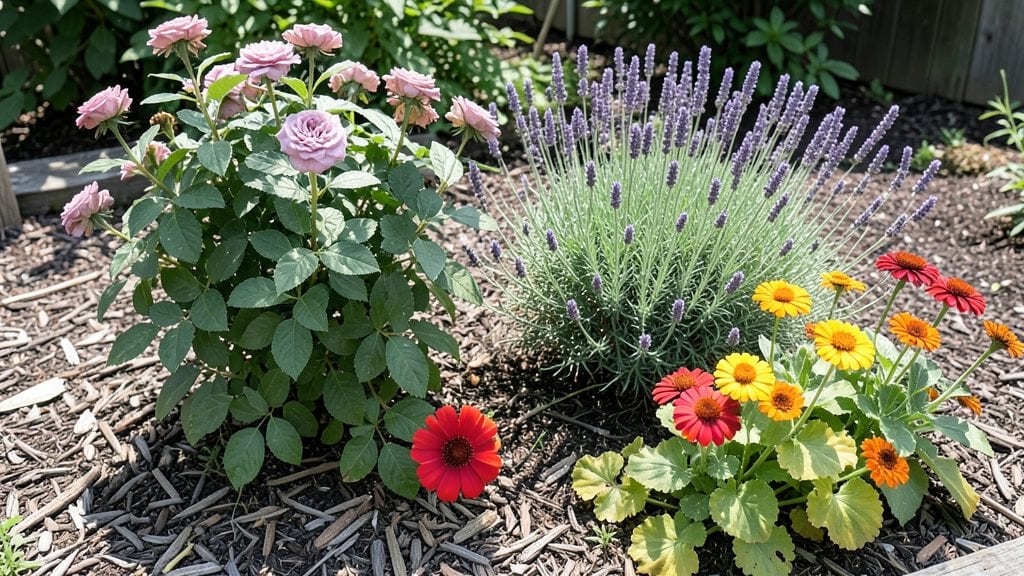
Growing popular garden plants that buzz with life all season isn’t just possible—it’s easier than you think, even for busy gardeners.
Picture this: a garden that never looks bare, where bees hum, butterflies dart, and hummingbirds sip from flowers that keep blooming from spring through fall. The secret? Choosing the right mix of low-maintenance, pollinator-friendly plants that thrive together.
Whether you’re working with a small balcony or a sprawling yard, these top 15 plants deliver color, resilience, and effortless beauty. No green thumb required—just sunlight, good soil, and a little planning.
Below, I’ll walk you through the easiest-to-grow picks, their ideal spots in your yard, and how to arrange them for maximum impact—so your garden does the work while you enjoy the view.
Top 10 pollinator-friendly garden plants for year-round beauty
Creating a pollinator-friendly garden doesn’t require complicated designs or rare plants. By choosing the right popular garden plants, you can create a vibrant space that thrives year-round while supporting bees, butterflies, and hummingbirds.
These plants are not only beautiful but also low-maintenance and resilient, making them perfect for both beginners and experienced gardeners.
My top picks focus on seasonal blooms, drought tolerance, and ease of care. From early spring to late fall, these plants ensure your garden stays lively and buzzing with activity.
Let’s explore the best options that will transform your outdoor space into a pollinator paradise without requiring constant attention.
Starting with bee balm (Monarda), this plant is a pollinator magnet and blooms from summer through fall. Its vibrant flowers attract bees, butterflies, and even hummingbirds. It thrives in full sun to partial shade and requires moderate watering, making it a great choice for busy gardeners.
Plus, its fragrant foliage adds a sensory delight to your garden.
Coneflower (Echinacea) is another must-have for any pollinator garden. Known for its drought tolerance, it blooms from summer to late fall and supports bees, butterflies, and even birds. Plant it in full sun and water sparingly to keep it healthy. Its long bloom season ensures your garden stays colorful well into autumn.
For late-season color, black-eyed Susan (Rudbeckia) is unbeatable. This hardy perennial blooms from summer to fall and attracts a variety of pollinators. It’s low-maintenance and adapts well to different soil types, making it a versatile addition to any garden.
Pair it with milkweed (Asclepias) to create a monarch butterfly haven—these plants are essential for supporting declining monarch populations.
If you
How to choose the best plants for your climate zone
Selecting the right popular garden plants for your USDA hardiness zone ensures your garden thrives with minimal effort. Start by checking your zone—most gardeners in the U.S. fall between Zones 3-10.
This simple step prevents costly mistakes like frost-sensitive plants dying in cold climates or sun-loving plants wilting in shade. For example, lavender excels in Zones 5-9 with full sun, while heuchera thrives in Zones 3-9 with partial shade.
Next, match plants to your sunlight exposure. A south-facing garden gets the most sun, while north-facing areas stay shadier. Drought-resistant plants like yarrow or sedum need 6+ hours of sun and well-draining soil, while hostas prefer 4-6 hours of shade.
Always observe your space for 3-4 hours daily to gauge sunlight patterns accurately.
🚨 summary table 🚨
Soil type plays a crucial role too. Sandy soil drains quickly, ideal for succulents or roses, while clay soil retains moisture, perfect for hostas or ferns. Test your soil with a pH kit—most popular garden plants prefer 6.0-7.0.
Amend heavy clay with compost or sand, and improve sandy soil with peat moss or organic matter. Native plants like black-eyed Susans adapt effortlessly to local soil conditions.
Prioritize native and drought-resistant species to conserve water and support local ecosystems. For instance, purple coneflower thrives in Zones 3-9 with minimal watering and attracts butterflies and bees.
Pair it with salvia for a low-maintenance, pollinator-friendly combo. Always research regional favorites—your local cooperative extension office offers free soil tests and plant recommendations tailored to your area.
Finally, consider seasonal interest. Mix spring bloomers like daffodils with fall favorites such as mums for year-round color. Group plants by water needs to simplify care—place thirsty plants like impatiens near your hose and drought-tolerant varieties like sedum in dry spots.
A well-planned layout reduces stress and keeps your garden lush and vibrant with minimal effort.
With these steps, you’ll create a climate-adapted garden that’s not only beautiful but also sustainable and pollinator-friendly—no guesswork required! 🌿