
Tools
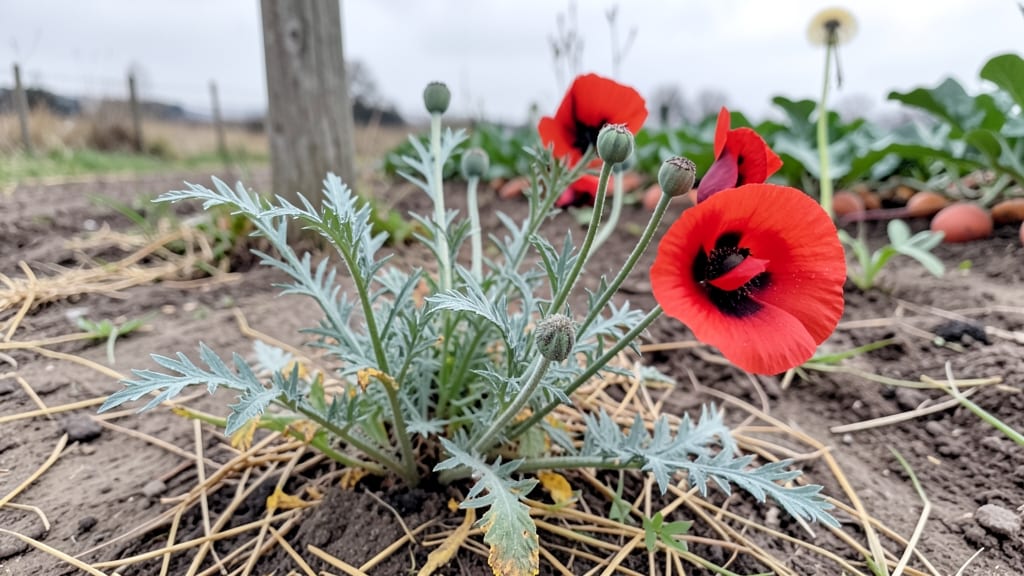
Poppies bring that dramatic, dreamy color to gardens—soft pinks, fiery reds, and velvety blacks that make every border feel like a painting. 🌸 I’ve used them to turn ordinary garden edges into season-long focal points, pairing them with lavender for contrast or letting them drift wild in meadow-style plantings.
The key is placement: poppies thrive where they can stretch toward the sun, whether climbing through ornamental grasses or spilling over stone walls.
These flowers aren’t just pretty—they’re low-maintenance stars that bloom from early summer until frost. Plant them in well-drained soil with full sun, and they’ll reward you with bold, papery blooms that catch every breeze.
For a romantic garden, mix them with roses or delphiniums; for a pollinator haven, let them grow near bee balm or coneflowers. Their ephemeral beauty makes them perfect for temporary color bursts or long-term drama.
You’ll love how they transform a space with minimal effort—just scatter seeds in early spring or fall, and let nature do the rest. The textured foliage adds depth, while the blooms create a soft, romantic haze that lasts for weeks.
Whether you’re framing a pathway or filling a corner, poppies deliver instant impact with almost no upkeep. Here’s how to make them the star of your garden design.
Works in formal borders, cottage gardens, or wildflower meadows—just adjust spacing for the look you want. For a structured edge, plant them 6–12 inches apart; for a wild, natural drift, scatter seeds loosely.
Their versatility makes them a must-have for any garden style, from classic to contemporary. Let’s get those seeds in the ground!
📚 In This Guide
- What you need
- Instructions
- Tips and common mistakes
- Wrapping up and next steps
What you need
- ● Poppy seeds: Choose Papaver somniferum (opium poppy) or Papaver rhoeas (corn poppy) for vibrant blooms. Buy 1–2 oz (30–60g) per 10 sq ft of planting area.
- ● Well-draining soil: Mix 2 parts garden soil with 1 part compost or perlite for optimal aeration.
- ● Vertical support: Trellis, fence, or garden obelisk (4–6 ft tall).
- ● Or, use cattle panels or wire mesh (16–18 gauge) for DIY structures.
- ● Mulch: Straw or shredded bark (1–2 inches) to retain moisture and suppress weeds.
- ● Garden trowel or transplanting spade for digging.
- ● Measuring tape or ruler (to space seeds 6–12 inches apart).
- ● Watering can or hose with gentle spray nozzle (poppies hate soggy soil!).
- ○ Gloves (optional but helpful for handling soil and seeds).
- ● String or twine (to secure lightweight supports like trellises).
- ● Slow-release fertilizer (5-10-5 NPK ratio) for nutrient boost.
- ● Plant markers (to track varieties if mixing types).
- ● Shade cloth (for hot climates; poppies prefer full sun but tolerate light shade).
- ● Decorative accents (e.g., pebbles or mosaic tiles for a whimsical touch).
Step-by-step guide to planting poppy seeds for vertical climbing displays
Here’s how to transform your garden into a vibrant vertical canvas using poppy seeds.
🌱 Step 1: Prepare the Soil and Planting Site
Poppies thrive in well-draining soil with a slightly alkaline pH, ideally between 6.5 and 7.5. Before planting, loosen the top 6 inches of soil to improve aeration and root penetration. Mix in 2-3 inches of compost to enrich the soil without compacting it—poppies hate heavy, clay-like conditions.
Choose a location with full sun exposure (at least 6-8 hours daily). If you’re planting near a trellis or fence, ensure the structure is sturdy enough to support the poppies’ delicate stems as they grow. Poppies are drought-tolerant once established, but they need consistent moisture during germination and early growth.
🌱 Step 2: Sow the Seeds at the Right Depth and Spacing
Scatter the poppy seeds directly onto the prepared soil—do not cover them with soil. Poppies require light to germinate, so pressing them lightly into the top ¼ inch of soil is sufficient. Space seeds 6-12 inches apart to allow for air circulation, which prevents fungal diseases like powdery mildew.
I like to sow seeds in early spring, about 4-6 weeks before the last frost date, for optimal germination. Water the area gently but thoroughly after sowing, ensuring the soil remains moist but not waterlogged. Overwatering at this stage can cause seeds to rot before they sprout.
☀️ Step 3: Provide Consistent Care for Germination and Growth
Poppy seedlings typically emerge within 10-14 days, though some varieties may take up to 3 weeks. Once sprouted, reduce watering frequency—poppies are sensitive to overwatering and can develop root rot. Water deeply once a week or when the top 2 inches of soil feel dry to the touch.
As the seedlings grow, thin them to maintain the 6-12 inch spacing you initially planned. This step is crucial—crowded poppies compete for nutrients and produce weaker stems. If you’re aiming for a vertical display, gently guide the tallest stems toward your trellis or fence as they reach 4-6 inches in height.
✂️ Step 4: Train Vines and Maintain Vertical Growth
Poppies don’t climb aggressively like morning glories, so you’ll need to tie their stems to the trellis or fence with soft plant ties or twine. Do this every 2-3 weeks as the vines grow, ensuring they don’t snap under their own weight. Prune any leggy or overly crowded stems to encourage bushier growth and more blooms.
Deadhead spent blooms regularly to prolong flowering and redirect the plant’s energy into producing new flowers. Poppies typically bloom from late spring to early fall, depending on the variety. For a continuous display, stagger your planting by sowing seeds in two batches, 3-4 weeks apart.
💧 Step 5: Prepare for Winter and Next Season
Poppies are annuals, so they’ll die back after flowering. However, their seeds self-sow prolifically, often popping up in the same spot the following year. In late fall, cut back the stems to 2 inches above the soil line and add a 1-2 inch layer of mulch to protect the soil and retain moisture.
If you want to control where the poppies reseed, collect the seed pods before they burst open. Poppy seeds are lightweight and can travel far on the wind. Store them in a cool, dry place until next spring, when you can replant them for another stunning vertical display.
Tips & tricks for perfect vertical poppy displays
Between us, the secret to poppy success isn't just in the planting—it's in the details that keep your vertical garden thriving all season.
Soil Preparation Secret: Poppies despise compacted soil, so don't just loosen the top 6 inches—break up any clumps larger than a golf ball. I use a broad fork to create vertical channels that improve drainage, which is critical since poppies hate soggy roots. For clay-heavy soils, mix in 1 part perlite to 3 parts compost to create that perfect airy texture they crave. This single step prevents the most common issue: seedlings that rot before they sprout.
Germination Timing Strategy: The 10-14 day germination window is deceptive—some varieties like California poppies may appear in just 7 days while others like oriental poppies can take up to 3 weeks. Mark your planting date on the calendar and set a reminder for day 21 to avoid assuming they've failed. I keep a small notebook by my garden gate where I record each planting date and variety—it's saved me from replanting more times than I can count.
Vertical Training Pro Tip: When guiding stems toward your trellis at the 4-6 inch mark, use soft plant ties that you can easily adjust as the stems thicken. I've learned the hard way that tight twine can girdle stems as they grow. For extra support, weave in a few vertical strings along your trellis—this creates a natural lattice that poppy stems will cling to without needing constant tying. This technique transforms your fence into a living tapestry rather than just a support structure.
Season-Long Blooming Hack: The 3-4 week staggered planting window is your secret weapon for continuous color. I recommend planting your first batch with fast-blooming varieties like Shirley poppies (they bloom in 60-70 days) and your second batch with later varieties like Iceland poppies (70-80 days). This creates a cascading effect where one variety fades just as another peaks. Plus, the second planting often self-sows prolifically, giving you free plants next season.
Pro Tips for Poppy In Garden
- Between us, the secret to poppy success isn't just in the planting—it's in the details that keep your vertical garden thriving all season.
- Soil Preparation Secret: Poppies despise compacted soil, so don't just loosen the top 6 inches—break up any clumps larger than a golf ball.
- Germination Timing Strategy: The 10-14 day germination window is deceptive—some varieties like California poppies may appear in just 7 days while others like oriental poppies can take up to 3 weeks.
Frequently asked questions
Got questions about growing poppies in your garden?
Here are answers to the most common queries to help you cultivate these stunning vertical beauties with confidence!
When is the best time to plant poppy seeds?
Poppy seeds thrive when planted in early spring (after the last frost) or late summer (for fall blooms). They germinate best in cool soil (60–70°F). Avoid planting in hot, dry conditions—they’ll struggle to sprout. For a continuous display, stagger plantings every 2–3 weeks!
Do poppies need full sun?
Poppies love full sun (6–8+ hours daily) for vibrant blooms. In shadier spots, they’ll still grow but may produce fewer flowers or flop over. If your garden is low-light, opt for oriental poppies, which tolerate partial shade better than their California cousins.
Why aren’t my poppy seeds germinating?
Poppy seeds are fussy about moisture and timing. Common culprits:
- Overwatering (they rot easily—keep soil lightly moist).
- Planting too deep (press seeds just below soil surface).
- Hot soil (wait until temps drop below 80°F).
Can I grow poppies in containers?
Yes! Use deep containers (12+ inches) with well-draining soil. Dwarf varieties like ‘Bowles Mauve’ work best. Ensure pots have drainage holes to prevent root rot. Place containers in sunny spots and fertilize lightly (poppies dislike rich soil—too much nitrogen = fewer blooms!).
Are poppies good for pollinators?
You bet! Poppies attract bees, butterflies, and hummingbirds with their nectar-rich blooms. For extra pollinator power, plant them near lavender, cosmos, or marigolds. Just avoid opium poppies (like Papaver somniferum)—stick to ornamental varieties for a bee-friendly garden!
What can I plant with poppies to extend the season?
Pair poppies with long-blooming companions for continuous color:
- Sweet peas (spring)
- Zinnias (summer)
- Astors (fall)
Wrapping up and next steps
Adding poppies to your garden isn’t just about beauty—it’s about effortless, vibrant color that thrives with minimal fuss. Whether you’re a seasoned gardener or just starting, these resilient blooms bring joy and texture to any space.
Now that you’re armed with the right materials, tips, and answers, it’s time to get planting!
🌱 Next steps:
- Pick your favorite poppy variety (annuals for quick color or perennials for lasting charm).
- Mark your calendar—spring or early fall is prime time for sowing!
- Snap a photo of your progress and tag us @YourGardenJourney—we love seeing your poppy paradise!