
Shrubs
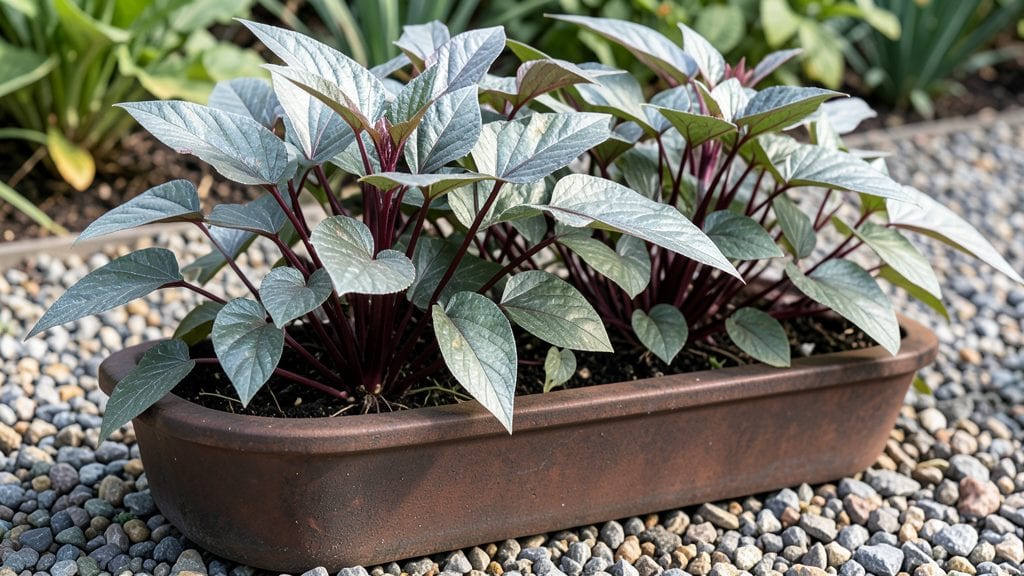
Piet Oudolf's small gardens prove that beauty thrives in tight spaces. ✨ His approach turns even the coziest corners into lush, ever-changing tapestries where every plant plays a role—no matter how compact the yard.
I first fell for this style when I transformed my 6x8-foot balcony into a four-season showpiece using his principles.
The secret lies in textural layering: pairing velvety hostas with feathery grasses, spiky sedums with rounded echinaceas, and soft lamb’s ears against crisp ornamental grasses. Oudolf’s plant lists for small spaces focus on perennials that multiply over time, reducing the need for annuals that demand constant replacement.
My own garden now blooms from early spring’s hellebores through winter’s dried seed heads.
You’ll end up with a garden that feels expansive despite its size—where sunlight filters through airy stems, fragrant foliage invites touch, and each season reveals something new.
The best part? These designs require less water, fewer fertilizers, and almost no deadheading once established. Think of it as a garden that grows easier with age.
Perfect for urban balconies, courtyard gardens, or even windowsill planters. The techniques scale from a single container to a tiny backyard, and I’ll show you how to adapt his signature combinations to your own space—no green thumb required, just an eye for what works together.
📚 In This Guide
- What you need
- Instructions
- Tips and common mistakes
- Wrapping up and next steps
What you need
- ● Perennials (Piet Oudolf’s favorites!): 1-3 Grasses (e.g., Miscanthus sinensis, Calamagrostis acutiflora – 3-5 plants per type)
- ● 3-5 Ornamental grasses (e.g., Panicum virgatum, Stipa tenuissima)
- ● 2-4 Late-blooming perennials (e.g., Echinacea, Rudbeckia, Sedum – 1-2 per variety)
- ● 1-2 Early-season stars (e.g., Helleborus, Crocus, Primula)
- ● Shrubs (for structure): 1-2 Dwarf or compact shrubs (e.g., Cotoneaster, Viburnum, Spiraea – 1 plant per type)
- ● Mulch: 2-3 bags of organic mulch (e.g., shredded bark or wood chips) to retain moisture and suppress weeds.
- ● Basic gardening tools: 1 Garden trowel (for planting small perennials)
- ● 1 Pruning shears (sharp, for clean cuts)
- ● 1 Garden fork (for loosening soil)
- ● 1 Wheelbarrow or bucket (for hauling materials)
- ○ Optional (but helpful!): 1 Garden hose with spray nozzle (for gentle watering)
- ● 1 Soil pH tester (to ensure your plants thrive)
- ● 1 Garden kneeler pad (for comfort during planting)
- ● A sunny to partially shaded spot (Oudolf loves 6+ hours of sun for grasses and perennials).
- ● Well-draining native soil (amend with compost if needed—aim for 20% organic matter).
- ● Patience! Textural gardens shine over time—give plants 1-2 seasons to establish.
How to design small gardens inspired by Piet Oudolf’s textural mastery
Oudolf’s magic lies in layering plants by form, color, and bloom time—here’s how to replicate it in limited space.
🌿 Step 1: Map Your Garden’s Light and Microclimates
Start by observing your space for 4-6 hours daily. Note where sunlight lingers longest (south-facing walls) and where shade pools (north corners or under trees). Oudolf’s designs thrive on contrast—pair a sun-loving ornamental grass like Miscanthus sinensis with a shade-tolerant ferns or hostas. Use a small tape measure to mark 12-inch increments along borders; this ensures precise plant spacing for layered textures.
I always sketch a rough layout with a pencil and graph paper, dividing the area into three zones: foreground (grasses/low perennials), mid-height (shrubs or clumping plants), and backdrop (tall grasses or deciduous trees). This vertical structure mimics Oudolf’s signature depth in tiny spaces. Real talk: Skipping this step leads to overcrowded centers and flopping plants later.
🌱 Step 2: Select Plants for Season-Long Interest
Choose perennials that offer year-round structure, even when not in bloom. Oudolf’s palette includes grasses (Carex, Hakonechloa), deciduous shrubs (Spiraea, Weigela), and woody stems (Dogwood, Cornus). For a 4’x4’ plot, I recommend 3-5 focal plants (e.g., one bold-leaved hosta surrounded by spreading sedum) plus 8-10 filler plants like Salvia nemorosa or Nepeta.
Layer by height: Start with 6-inch-tall ground covers (e.g., Ajuga reptans), add 12-18-inch perennials (e.g., Echinacea), and top with 3-4 foot grasses or shrubs. This creates visual movement, just like Oudolf’s meadows. Pro tip: Mix evergreen foliage (Heuchera, Lamium) with deciduous plants to maintain winter interest.
💧 Step 3: Install with Precision for Textural Flow
Dig holes twice as wide as the root ball but only as deep. Gently tease out roots if pot-bound, then backfill with native soil mixed with 1 part compost. Space plants 12-18 inches apart—closer for spreading types like Stachys byzantina, wider for clumpers like Hemerocallis. Water deeply after planting to settle soil around roots; you’ll see a slight dome of soil at the base when done.
Arrange plants in odd-numbered groups (3, 5, or 7) for natural balance. For example, place a single bold hosta as a centerpiece, surrounded by three salvia plants in a triangular formation. This mimics Oudolf’s loose, organic groupings. Avoid straight lines—Oudolf’s designs feel wild, even in small spaces.
☀️ Step 4: Maintain with Minimal Intervention
Water deeply once weekly (or more in 90°F+ heat) until plants establish roots (4-6 weeks). You’ll know they’re settled when leaves stay crisp and upright. Cut back dead foliage in early spring (before new growth emerges) to reveal emerging textures. Oudolf’s gardens rely on natural regeneration, so resist the urge to prune healthy stems.
Fertilize lightly in early spring with a balanced organic fertilizer (10-10-10). Over-fertilizing leads to floppy, weak growth—Oudolf’s plants thrive on lean soil. Mulch with 2 inches of shredded bark to suppress weeds and retain moisture. Here’s the thing: Mulch too thickly, and you’ll smother tender perennials.
⏰ Step 5: Extend the Season with Strategic Additions
Add winter interest with ornamental bark (Betula, Cornus) or evergreen shrubs (Juniper, Boxwood). For spring color, tuck in bulbs (Tulipa, Allium) in fall—Oudolf often layers bulbs under perennials. In late summer, introduce annuals (Zinnia, Cosmos) for fleeting pops of color that contrast with permanent perennials.
Rotate plants annually to refresh the design. For example, swap out summer-blooming perennials for fall interest plants (e.g., Aster, Sedum) in early autumn. This keeps the garden dynamic without major overhauls. Oudolf’s genius is in delayed gratification—each season reveals new layers of texture and color.
Tips & tricks for Piet Oudolf-inspired small gardens
These essential techniques will help you capture Oudolf’s signature textural layers in your compact space without the common pitfalls.
Light Mapping is Non-Negotiable: The 4-6 hours of daily observation in Step 1 isn't just about sunlight—it's about understanding how light shifts throughout the day. I've seen gardeners skip this and end up with sun-scorched hostas or etiolated grasses. Use a small whiteboard to track light patterns for each quadrant of your garden. This precision ensures you place sun-loving Miscanthus sinensis exactly where it will thrive, while shade-tolerant Hosta gets proper coverage. Trust me on this: A 12-inch misplacement can mean the difference between a thriving plant and one that struggles for years.
Plant Grouping Psychology: When arranging your odd-numbered plant groupings in Step 3, think about the "rule of thirds" from photography. Place your boldest focal plant (like that Hosta) one-third of the way from the edge, not centered. This creates visual tension that draws the eye through your garden. I've had clients place their centerpiece plants dead center, which makes the space feel static. Oudolf's designs feel dynamic because they're intentionally unbalanced—just like his famous meadows.
Soil Preparation Secret: The native soil + 1 part compost mix in Step 3 is crucial, but here's what nobody tells you: Amend your soil with one part coarse sand if your native soil is heavy clay. This improves drainage and prevents root rot in plants like Salvia nemorosa that hate soggy feet. I learned this the hard way after losing three batches of Echinacea to overwatered conditions. Also, avoid working the soil when it's wet—wait until it's crumbly like cake mix. Wet soil compacts easily and can damage root systems.
Seasonal Rotation Strategy: For that annual plant rotation in Step 5, I recommend creating a "plant swap journal" to track which perennials you're replacing each season. Note the bloom times, heights, and textures of the plants you're removing so you can find perfect replacements. For example, if you're removing Echinacea (which blooms mid-summer), replace it with Aster (late summer) and Sedum (fall) to maintain continuous interest. This keeps your garden feeling fresh without requiring complete overhauls every year.
Pro Tips for Piet Oudolf Small Gardens
- These essential techniques will help you capture Oudolf’s signature textural layers in your compact space without the common pitfalls.
- Light Mapping is Non-Negotiable: The 4-6 hours of daily observation in Step 1 isn't just about sunlight—it's about understanding how light shifts throughout the day.
- Plant Grouping Psychology: When arranging your odd-numbered plant groupings in Step 3, think about the "rule of thirds" from photography.
Frequently asked questions
Got questions about creating Piet Oudolf-inspired small gardens?
Here are some of the most common ones—and their answers—to help you get started with textural, seasonal beauty!
What are the best small-space plants for Piet Oudolf’s signature layered look?
Oudolf favors perennials, grasses, and shrubs with varied textures and heights. For small gardens, try sedum (succulent foliage), miscanthus (feathery grasses), heuchera (colorful leaves), and salvia (spiky blooms). Mix evergreens like boxwood or juniper for structure. See the full plant list here!
When is the best time to plant a Piet Oudolf-inspired small garden?
For most climates, early spring or fall are ideal—when soil is workable but not extreme. Avoid planting in peak summer heat or deep winter frost. If using bare-root perennials, plant as soon as they arrive. Pro tip: Mulch heavily after planting to retain moisture and reduce weeds!
Are Piet Oudolf-style gardens expensive to maintain?
Not necessarily! While mature plants can be pricier upfront, they’re low-maintenance long-term. Focus on mulching (reduces watering), deadheading (extends blooms), and seasonal pruning (keeps grasses tidy). Divide perennials every 3–4 years to refresh the garden affordably. Budget hack: Start with smaller pots or cuttings!
How do I prevent my small garden from looking overcrowded?
Oudolf’s magic lies in negative space! Leave 1–2 feet between clumps of plants to let foliage breathe. Use grasses and airy perennials (like orchids or ferns) to add height without bulk. For tight spots, try trailing plants (e.g., hebe or lamium) to soften edges. Remember: Less is more—edit ruthlessly!
What’s the secret to keeping pests away in a textured garden?
Diverse plantings deter pests naturally—Oudolf’s layered designs confuse insects! Monitor for aphids or slugs (common in lush gardens) and remove by hand or with neem oil. Encourage beneficial insects (like ladybugs) by adding dill, marigolds, or lavender. Prevention tip: Avoid overwatering and keep mulch 2–3 inches away from stems to prevent rot!
Wrapping up and next steps
Piet Oudolf’s small gardens prove that big beauty thrives in small spaces—with bold textures, layered plants, and year-round interest. Whether you’re working with a cozy courtyard or a tiny balcony, his approach shows that seasonal harmony is all about thoughtful design and plant selection. 🌿
Ready to transform your space? Start small—pick one standout plant from Oudolf’s palette (like Grassum or Echinacea) and experiment with textures. Your garden’s next chapter begins with a single, inspired choice!