
Tools
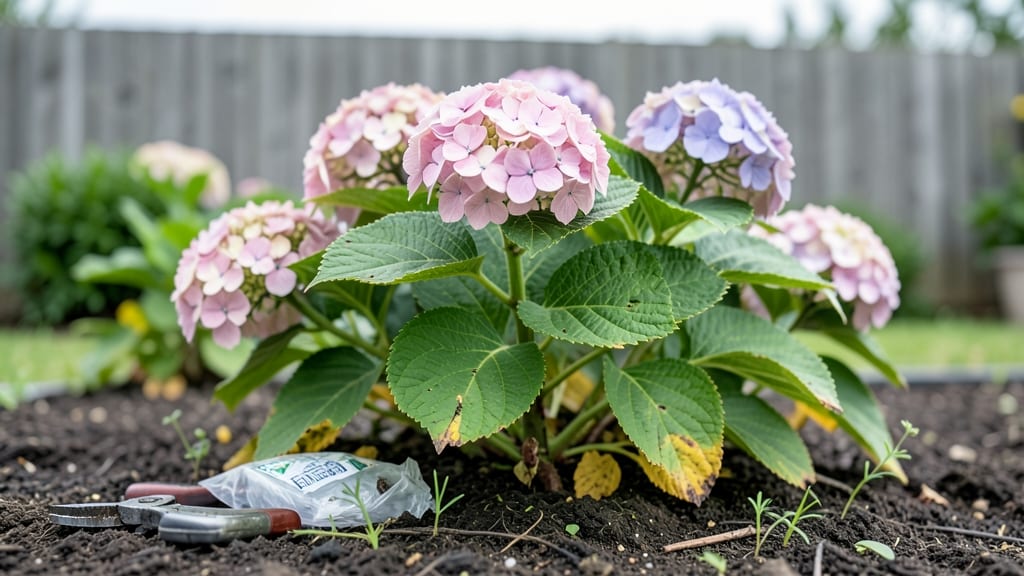
Soil pH in gardening determines acidity or alkalinity, directly affecting nutrient availability and plant health—most vegetables thrive between 6.0 and 7.0, while blueberries require acidic soil around 4.5 to 5.5 for optimal growth.
Understanding soil pH is like having a secret code for your garden's success. 🌱 The pH scale dictates which nutrients plants can absorb—too high or low, and essential minerals like iron or phosphorus become locked away.
For instance, alkaline soils (above 7.0) often starve plants of manganese, while acidic soils (below 5.5) can leach vital calcium. This is why adjusting pH isn't just about numbers; it's about unlocking the right balance for your specific plants.
A simple soil test can reveal whether your garden needs a boost of sulfur (to lower pH) or lime (to raise it), saving you from guesswork and wasted resources.
💡 In This Article
- How Soil pH Alters Nutrient Uptake for Plants
- Testing and Adjusting Soil pH for Different Crops
How soil pH alters nutrient uptake for plants
Soil pH controls the availability of nutrients through its impact on hydrogen ion concentration. At lower pH levels (more acidic), hydrogen ions flood the soil solution, creating a charged environment that either dissolves or binds nutrients differently.
For example, iron becomes far more soluble in acidic conditions (pH < 6.0), making it readily available to plants like blueberries that thrive in these environments. Conversely, alkaline soils (pH > 7.0) cause iron to precipitate as insoluble oxides, leaving plants starved despite the iron being present in the soil.
The rhizosphere—the soil zone directly influenced by root secretions—becomes a battleground of chemistry when pH shifts. Microbial activity peaks around neutral pH (6.5-7.0), where beneficial bacteria and fungi break down organic matter, releasing nutrients like nitrogen and phosphorus.
At extremes, microbial populations decline sharply: below pH 5.5, many beneficial microbes die off, while above pH 8.0, harmful pathogens may dominate. This microbial shift directly affects nutrient cycling—plants in imbalanced soils often suffer from secondary nutrient deficiencies even when primary nutrients appear sufficient.
Macronutrients like nitrogen, phosphorus, and potassium have specific pH windows for optimal uptake. Nitrogen availability peaks at pH 6.0-7.0, where ammonia forms readily for plant absorption. Phosphorus becomes locked in insoluble compounds at pH extremes—below 5.5 or above 7.5—making it inaccessible.
Micronutrients show even more dramatic pH sensitivity: manganese becomes toxic at pH < 5.5, while zinc and copper precipitate out in alkaline soils. For instance, a tomato plant in alkaline soil may show iron chlorosis (yellow leaves) even with abundant soil iron because the plant can't access it.
Here's what's actually happening at the molecular level: pH alters the charge of nutrient ions and soil particles. In acidic soils, aluminum and manganese ions become soluble and toxic, while calcium and magnesium bind tightly to soil particles.
The opposite occurs in alkaline soils, where phosphorus and micronutrients form insoluble compounds. This chemical tug-of-war explains why adjusting pH isn't just about numbers—it's about creating the precise ionic balance that unlocks nutrients for your plants. 🌱
Consider these key nutrient behaviors across pH ranges:
- Acidic soils (pH 4.5-5.5): Highly soluble iron, manganese, and aluminum—ideal for blueberries but toxic to most vegetables
- Neutral soils (pH 6.0-7.0): Optimal balance for macronutrients; microbial activity thrives
- Alkaline soils (pH 7.5-8.5): Phosphorus and micronutrients become locked away; calcium and magnesium dominate
The science behind this involves the law of mass action: when pH shifts, the equilibrium between dissolved and solid nutrient forms changes dramatically. For example, at pH 5.0, 90% of soil phosphorus may be available, but at pH 8.0, that drops to just 10%.
This explains why soil tests showing "enough" phosphorus might still result in deficiency symptoms if the pH is off. The key factor is creating the right ionic environment where nutrients exist in their most plant-available forms.
What most people don't realize is that pH affects not just what nutrients are available, but how plants themselves regulate their internal chemistry.
Some plants, like azaleas, have evolved to thrive in acidic conditions by developing specialized root systems that can extract nutrients even when others can't. Others, like alfalfa, have deep roots that can access nutrients in deeper soil layers where pH might be more stable.
Understanding these adaptations helps explain why some plants show dramatic responses to pH adjustments while others seem unaffected. 💫