
Tools
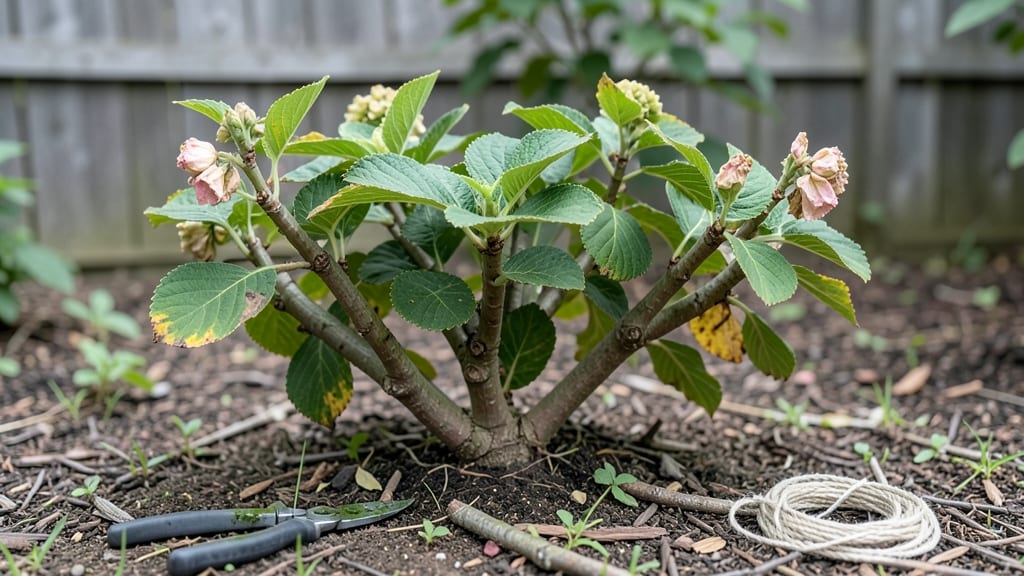
Designing a parterre garden plan starts with that satisfying click of symmetry—where every plant, path, and edge aligns like a living painting. 🌿 I fell in love with parterres after my first attempt at a formal knot garden, where even my uneven hands couldn’t mess up the clean lines.
The key isn’t perfection; it’s layers that feel intentional yet effortless to maintain.
You’ll need a flat, level space (at least 4 feet wide) with rich, well-draining soil—think of it as a blank canvas. Edging with brick, stone, or metal defines the shape, while low-growing perennials like boxwood or lavender anchor the design.
For color, I pair bold annuals (like salvia or snapdragons) with evergreen shrubs to keep the look lush year-round, even when seasonal blooms fade.
The payoff? A garden that looks polished with minimal work—30 minutes of weeding per month tops it. Imagine stepping into a space where every path leads to a focal point, where hedges frame blooms like a gallery, and where even the smallest patch feels like a masterpiece.
The symmetry isn’t just for show; it’s a calm, structured escape that still feels alive.
Works for any yard size—whether you’re framing a front door, lining a walkway, or topping a hillside. Start small, and let the layers grow with you. Here’s how to sketch your first perfect parterre.
📚 In This Guide
- What you need
- Instructions
- Tips and common mistakes
- Wrapping up and next steps
What you need
- ● Soil: 10–15 bags (2–3 cubic feet each) of high-quality garden soil or a mix of topsoil (60%) and compost (40%) for nutrient-rich beds.
- ● Mulch: 5–10 bags of shredded bark or pine straw (for moisture retention and weed suppression).
- ● Plants: Perennials (3–5 varieties): 9–12 plants per type (e.g., lavender, salvia, or daylilies for structure).
- ● Annuals (2–3 varieties): 6–9 plants per type (e.g., petunias, marigolds, or pansies for color).
- ○ Shrubs (optional for edges): 2–4 boxwoods, dwarf lilacs, or hydrangeas (spaced 2–3 feet apart).
- ● Edging: 10–20 feet of plastic, metal, or brick edging (or use stones for a natural look).
- ● Gravel or Sand: 1–2 bags (for leveling and drainage, if needed).
- ● Measuring Tape (25–50 feet) – for precise symmetry!
- ● Garden Shovel & Spade (for digging and soil prep).
- ● Wheelbarrow (to haul soil, mulch, and plants).
- ● Garden Rake (for smoothing soil).
- ● Pruners (sharp bypass pruners for trimming plants).
- ● Garden Kneeler & Gloves (because comfort matters!).
- ● Hose with Nozzle (for watering post-planting).
- ○ String & Stakes (optional) – to mark out symmetrical lines before planting.
- ● Garden Twine – for temporary plant supports.
- ● Slow-Release Fertilizer (e.g., Osmocote) for a nutrient boost.
- ● Decorative Stones or Statues – to add focal points.
- ● Drip Irrigation Kit (for automated watering).
- ● Plant Labels (to track varieties).
Step-by-Step instructions for designing a classic parterre garden
Let’s create a timeless, symmetrical garden that’s as easy to maintain as it is stunning.
🪴 Step 1: Mark and Prepare the Central Pathway
Start by sketching your design on paper first—parterres thrive on symmetry, so divide your space into equal sections. For a 4-foot-wide central path (the widest part of your design), use a garden hose or string to mark the edges. This will be the backbone of your garden, so take your time.
Once marked, dig out the path to a depth of 4-6 inches, removing any grass or weeds. Loosen the soil with a shovel or garden fork—this prevents compaction and helps roots grow deeper. I like to add 1 inch of coarse sand to the bottom of the path for drainage, especially if your soil tends to stay soggy.
🌱 Step 2: Plant the Foundation Layer (Low-Growing Plants)
Fill the outer edges of the parterre with low-growing perennials or ground covers like creeping thyme, ajuga, or sedum. These plants create a lush, unbroken base that defines the shape. Space them 6-12 inches apart, depending on the variety, and press the soil firmly around each plant to eliminate air pockets.
Here’s the thing—mulch immediately after planting. Spread 1-2 inches of shredded bark or gravel over the soil to suppress weeds and retain moisture. Avoid piling mulch against stems, though; keep it 2 inches away to prevent rot. Water deeply right after planting to help roots establish.
☀️ Step 3: Add Mid-Height Plants for Structure
Work your way inward with mid-height plants like boxwood, lavender, or ornamental grasses. These should be spaced 12-18 inches apart to fill gaps while maintaining a clean, structured look. I often use boxwood as a border plant because it holds its shape year-round and responds well to shearing.
Dig holes twice as wide as the root ball but no deeper. This encourages roots to spread outward instead of circling. Backfill with native soil mixed with compost for extra nutrients, then water thoroughly. If your soil is heavy clay, amend it with sand or perlite to improve drainage—parterres hate soggy roots.
✂️ Step 4: Top With Tall Accent Plants and Edging
For the final touch, place tall accent plants like roses, hydrangeas, or ornamental shrubs in the center of each section. These should be spaced 2-3 feet apart to allow airflow and prevent disease. Prune any leggy growth now to encourage bushier, more compact shapes.
Finish the edges with low hedges or metal edging to keep the design crisp. I prefer boxwood hedges for a soft, natural look, but copper or aluminum edging works well for a more formal style. Water the entire garden once a week during dry spells, focusing on the roots rather than the foliage.
🌿 Step 5: Maintain Symmetry With Regular Pruning
Parterres rely on precision, so prune plants every 4-6 weeks during the growing season. Trim boxwood and hedges with sharp shears for clean lines, and shape roses after flowering to keep them tidy. Remove spent blooms immediately to encourage more flowers and prevent seed formation.
Here’s where it gets fun—rotate plants annually to keep the design fresh. Swap out a few perennials each year for new colors or textures. Mulch again in early spring to refresh the look and suppress weeds. With this level of care, your parterre will stay lush and symmetrical for years.
Tips & tricks for perfect parterre garden design
Creating a stunning parterre garden starts with these foundational tips that'll save you time, frustration, and ensure your design stays symmetrical for years.
Precision in Step 1: When marking your 4-foot-wide central path in Step 1, use a level to ensure it's perfectly straight. I've used a garden hose with a weight at each end—it's surprisingly effective for creating clean lines. For extra precision, drive small stakes at each corner and use string to create a visual guide before digging.
Plant Spacing Secrets: The spacing measurements in Steps 2-4 are critical—don't eyeball them! Use a tape measure for the 6-12 inch spacing of low-growing plants and 12-18 inch spacing for mid-height plants. For tall accent plants in Step 4, mark their positions with stakes before digging to maintain that perfect symmetry. Remember, boxwood needs about 18 inches between plants to mature properly.
Soil Preparation Strategy: In Step 3, if you're working with heavy clay soil, mix in equal parts sand and perlite to improve drainage. I've found that adding a handful of compost to each planting hole makes a noticeable difference in plant health. For the 4-6 inch deep path preparation, consider adding a layer of landscape fabric to prevent weeds from creeping up through your path later.
Pruning Pro Tips: When you're pruning every 4-6 weeks in Step 5, use sharp, clean shears to avoid damaging plants. I like to prune boxwood in early spring before new growth begins—this gives you a cleaner look and encourages denser growth. For roses, always prune at a 45-degree angle just above a leaf node to promote new growth in the right direction.
Pro Tips for Parterre Garden Plans
- Creating a stunning parterre garden starts with these foundational tips that'll save you time, frustration, and ensure your design stays symmetrical for years.
- Precision in Step 1: When marking your 4-foot-wide central path in Step 1, use a level to ensure it's perfectly straight.
- Plant Spacing Secrets: The spacing measurements in Steps 2-4 are critical—don't eyeball them!
Frequently asked questions
Got questions about designing a stunning parterre garden?
Here are answers to the most common ones—from planning to upkeep—so you can create a low-maintenance masterpiece with confidence!
What’s the best time of year to plant a parterre garden?
The ideal time depends on your climate! In temperate zones, spring (after the last frost) or early fall (6–8 weeks before frost) are perfect. For warmer climates, winter planting works too. Start with perennials and shrubs first—they establish roots better with cooler weather. Pro tip: Check your local frost dates to avoid planting too early!
How do I choose the right size for my parterre?
Size matters for both aesthetics and maintenance! A standard parterre is 3–6 feet wide (narrow enough for easy weeding) and 10–20 feet long. For small spaces, a mini parterre (2–3 feet wide) works beautifully along walkways. Measure your garden bed first—leave 1–2 feet of clearance for trimming and admiring your design.
Can I use annuals in a parterre garden, or should I stick to perennials?
Both work, but perennials (like lavender, boxwood, or daylilies) are low-maintenance and return yearly. Annuals (e.g., petunias, marigolds) add bold pops of color but require replanting. For a no-fuss design, mix 70% perennials with 30% annuals—place annuals in high-traffic spots for seasonal updates!
What’s the easiest way to fix uneven soil or drainage issues?
Uneven soil is a common challenge! Start by amending the soil with compost or topsoil to level the bed. For drainage, add a 1–2 inch layer of gravel beneath the soil. If water pools, consider a French drain (gravel-filled trench with a pipe) along one side. Test your soil’s pH too—most parterre plants thrive in 6.0–7.0.
How can I add color without high maintenance?
Opt for drought-tolerant perennials like sedum, salvia, or Russian sage—they bloom year after year with minimal water. For instant color, use mulch (like cedar chips) to retain moisture and suppress weeds. Group plants by color (e.g., purples/blues together) for a cohesive look. Bonus: Choose heat-loving plants if your area gets hot!
Wrapping up and next steps
Creating a parterre garden brings timeless elegance and structure to your outdoor space—without the high upkeep! Whether you’re drawn to the classic symmetry of formal designs or the relaxed charm of layered plantings, these plans offer a low-maintenance way to elevate your yard. 🌿✨
Ready to transform your garden? Start small with a single bed or dive in with a full-scale design—just grab your tools, sketch your layout, and let your creativity bloom! Which parterre style will you try first?