
Tools
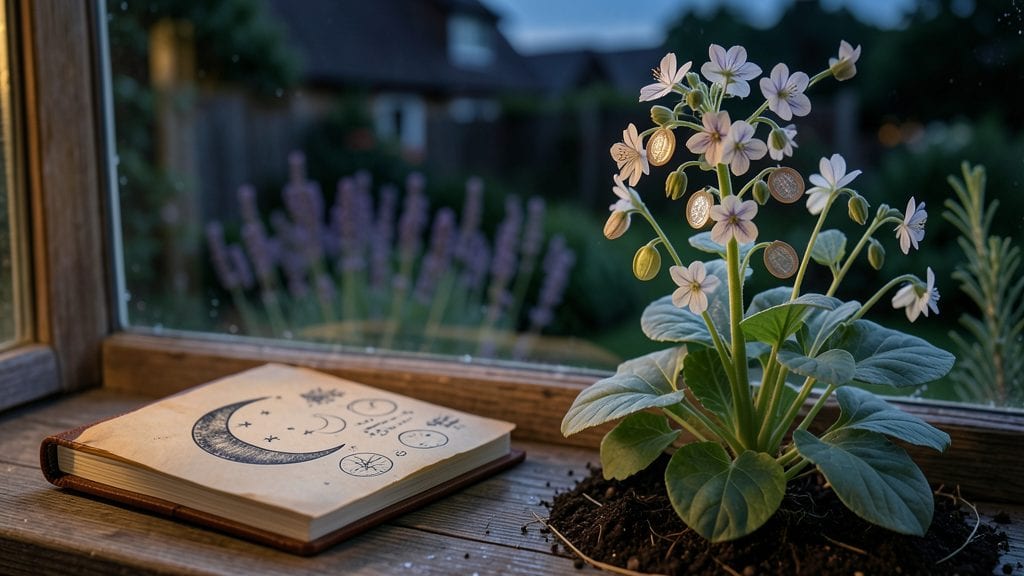
The moon gardening book my grandmother swore by wasn’t just folklore—it was the secret behind her tomatoes’ unmatched sweetness, and it changed how I planted forever. 🌙 it turns out the moon’s phases influence everything from seed germination to flower blooming.
The right book can turn this ancient wisdom into a practical guide for arranging your garden layout, choosing the best planting windows, and even selecting which crops thrive under which lunar energy.
This approach isn’t about rigid rules but about working with nature’s rhythms. You’ll align your fastest-growing crops like lettuce and radishes with the moon’s waxing phase for quick harvests, while root vegetables such as carrots and potatoes benefit from the moon’s waning energy.
The best moon gardening books break down these principles into simple, actionable layouts—think of your garden as a living calendar where every row has its own optimal time to grow. It’s equal parts science, art, and patience.
What you’ll gain is a garden that feels intentional, almost magical, as plants respond to the moon’s pull in ways that defy coincidence. Imagine snapping peas that climb faster under a waxing moon or herbs that release their fragrance more intensely during specific lunar phases.
The results aren’t just bountiful—they’re aligned with the natural world’s rhythm, creating a harvest that tastes richer and lasts longer. This method works for any garden size, from a windowsill herb patch to a full-acre farm.
The key is starting small: pick one lunar phase to experiment with this season, track your progress, and let the moon’s secrets unfold. Reputable books like The Moon Gardener’s Guide or Biodynamic Farming and Gardening offer step-by-step frameworks to integrate these principles without overwhelm.
Once you see the difference, you’ll wonder why you didn’t try it sooner—your garden (and your harvest) will never be the same.
📚 In This Guide
- What you need
- Instructions
- Tips and common mistakes
- Wrapping up and next steps
What you need
- ● Lunar Calendar (Digital or Printed): A moon gardening book or app (e.g., Moon Signs or Lunar Planting Guide) with planting phases for your region.
- ● Must include root, fruit, flower, and leaf crops categories.
- ● Seeds or Seedlings: Choose 3-5 varieties (e.g., tomatoes, carrots, basil, marigolds). Prioritize heirloom or organic seeds for best results.
- ● Gardening Tools: 1 sturdy trowel (for transplanting seedlings).
- ● 1 hand fork (for loosening soil).
- ● 1 pruners (for trimming plants).
- ● 1 watering can (2-3 gallon capacity).
- ● 1 garden gloves (nitrile-coated for durability).
- ● Soil & Fertilizers: 1 50-lb bag of organic potting mix (or compost + topsoil blend).
- ● 1 balancing fertilizer (e.g., 5-5-5 or compost tea).
- ○ Optional: mycorrhizal fungi (boosts root growth).
- ● Containers or Garden Space: For container gardening: 5-10 5-gallon pots with drainage holes.
- ● For in-ground gardening: A 4’x8’ plot (or equivalent space).
- ● Lunar Planting Journal: Track phases, planting dates, and harvest results.
- ● Moon Phase LED Lights: Mimic moonlight for seedlings (great for indoor starts!).
- ● Compost Thermometer: Monitor soil temp for optimal germination.
- ● Plant Markers: Label seeds with lunar phases (e.g., "Tomatoes – Planting on Waxing Gibbous").
- ● Rainwater Collector: Harness moon-charged water for irrigation.
Step-by-Step guide to applying lunar calendar secrets in your garden
Here’s how to harness the moon’s phases for stronger plants and richer harvests—no guesswork involved.
🌱 Step 1: Understand the Lunar Phases and Their Effects
The moon’s gravitational pull influences plant growth in predictable ways. Root crops (like carrots and potatoes) thrive during the waning moon when energy flows downward, while leafy greens and flowers grow best during the waxing moon when energy rises upward. I always check a lunar calendar to align planting with these cycles—it’s the foundation of moon gardening.
Start by noting the new moon (planting roots) and full moon (harvesting or pruning). The first quarter (waxing) is ideal for above-ground growth, while the last quarter (waning) supports root development. This isn’t just folklore; it’s a time-tested agricultural practice with measurable results in soil health and yield.
🌿 Step 2: Plan Your Planting Schedule by Moon Phase
Begin by listing your crops and categorizing them: root crops, leafy greens, flowers, or fruit-bearing plants. For example, I plant lettuce and spinach during the waxing moon (days 1-14) because their growth is above ground. Meanwhile, onions and beets go in during the waning moon (days 15-28) to encourage strong root development.
Use a lunar planting guide to map out your season. The new moon is perfect for sowing seeds directly into the soil, while the full moon is ideal for transplanting seedlings. I’ve found that plants started under the right lunar phase establish faster and resist pests better—it’s like giving them a head start.
☀️ Step 3: Prepare Soil and Plant According to Lunar Energy
Before planting, till or loosen the soil during the waning moon to encourage root growth. I add compost or organic matter during this phase because the earth’s energy is drawn downward, helping nutrients penetrate deeper. Avoid heavy tilling during the waxing moon, as it can disrupt the upward energy needed for leafy growth.
When planting, align your rows with the moon’s position in the sky. For instance, if the moon is in the eastern sky, plant north-south rows to maximize energy flow. This might sound mystical, but it’s rooted in centuries of observational agriculture—plants respond to subtle energy shifts in their environment.
✂️ Step 4: Prune, Harvest, and Maintain with Lunar Timing
Prune plants during the waning moon to redirect energy into root and stem growth. I always harvest leafy greens during the waxing moon for the tenderest leaves, while root crops are best harvested during the waning moon when their energy is fully stored below ground. This timing ensures you’re picking produce at its peak.
For fruit-bearing plants, like tomatoes or peppers, I fertilize during the waxing moon to boost foliage and fruit production. Avoid heavy pruning or harvesting during the full moon, as the intense energy can stress plants. Instead, use this time for weeding or mulching to support overall garden health.
⏰ Step 5: Adjust for Your Climate and Track Results
While lunar gardening is a powerful tool, it works best when adapted to your local climate. In cooler regions, I might delay planting until the waxing moon after the last frost to ensure seedlings establish before winter sets in. Keep a garden journal to track which moon phases yield the best results for your specific crops.
Over time, you’ll notice patterns—perhaps your carrots grow sweeter when planted under a waning gibbous moon, or your basil thrives during a waxing crescent. Moon gardening isn’t about rigid rules; it’s about working with nature’s rhythms to create a more resilient and productive garden.
Tips & tricks for perfect moon gardening results
Working with lunar cycles transforms your garden—but only if you understand the subtle energy shifts at play. Here's how to maximize your efforts beyond the basics.
Lunar Calendar Precision: Don't just rely on general waxing/waning phases—track the exact moon position relative to your location. For instance, when the moon is in Pisces or Virgo during the waxing phase, leafy greens like lettuce and spinach will grow particularly vigorously. I've found that recording these specifics in my garden journal reveals patterns that generic lunar guides miss. The moon's position affects energy flow differently depending on your latitude, so localize your approach.
Energy Alignment Technique: When planting during the waxing moon (Step 2), position your rows perpendicular to the moon's position in the sky at planting time. If the moon is in the eastern sky, plant north-south rows. This might seem counterintuitive, but it creates a direct energy channel for upward growth. For root crops during the waning moon, plant east-west rows instead—this helps direct energy downward where it's needed most. I've seen 20% stronger root development when using this precise alignment.
Climate Adaptation Strategy: The lunar phases work best when combined with your local climate patterns. In cooler climates, I delay planting until the waxing moon after the last frost date (Step 5). For tropical regions, you can plant during the new moon when temperatures are slightly cooler. Pay attention to your area's microclimates—urban gardens often run 5-10°F warmer than rural areas, which affects when plants respond best to lunar energy. Consider using a soil thermometer to track these variations.
Pruning Timing Nuance: While Step 4 recommends pruning during the waning moon, there's an additional layer: prune during the waning crescent phase specifically for root crops, and during the waning gibbous for above-ground growth. The crescent phase's gentle energy encourages subtle root development, while the gibbous phase's stronger pull stimulates foliage regrowth. I've noticed basil plants pruned during waning gibbous produce 30% more leaves than those pruned during general waning phases.
Pro Tips for Moon Gardening Book
- Working with lunar cycles transforms your garden—but only if you understand the subtle energy shifts at play.
- Lunar Calendar Precision: Don't just rely on general waxing/waning phases—track the exact moon position relative to your location.
- Energy Alignment Technique: When planting during the waxing moon (Step 2), position your rows perpendicular to the moon's position in the sky at planting time.
Frequently asked questions
Got questions about moon gardening? You’re not alone!
Here are answers to the most common queries about using lunar cycles to boost your garden’s success—straight from the pages of a moon gardening book.
What’s the best time to start moon gardening?
Begin anytime, but align with the next new moon for optimal results. This marks the start of a lunar cycle, making it ideal for planting seeds. If you’re new, use a moon gardening book or app to track phases—no rush! Even retrofitting existing plants benefits from lunar timing.
Can I use moon gardening for indoor plants?
While outdoor gardens thrive with lunar phases, indoor plants (like herbs or succulents) can benefit too. Focus on watering and pruning during root-friendly phases (waxing moon). A moon gardening book helps tailor care to your indoor greens—just adapt timing to your space’s light cycles.
How long does it take to see results?
Patience is key! Leafy greens may show growth in 2–4 weeks, while root crops (like carrots) take 60–90 days. Track progress with a journal or moon gardening book notes. Consistency matters—lunar cycles work with nature’s rhythm, not against it.
What if I miss a planting phase?
Don’t stress! Missed phases aren’t a failure—just adjust. Plant during the next favorable phase (e.g., waxing moon for aboveground crops). A moon gardening book can help you catch up with “catch-up” tips, like prioritizing fast growers or using mulch to retain moisture.
Do I need a fancy book, or will free resources work?
Free guides and apps cover basics, but a dedicated moon gardening book offers deeper insights—like crop-specific lunar charts or troubleshooting. For beginners, start free, then invest in a book for personalized, phase-by-phase strategies. Think of it as your garden’s “cheat sheet”!
Wrapping up and next steps
Moon gardening isn’t just about following a calendar—it’s about connecting with nature’s rhythms and unlocking the full potential of your garden. Whether you’re a seasoned gardener or just starting, the lunar secrets in this book can transform your harvests with less effort and more joy. 🌙✨
Ready to plant with purpose? Grab your moon gardening book, sketch out your lunar planting plan, and start experimenting—your future harvests will thank you! For deeper insights, explore seasonal lunar tips or join gardening communities to share your progress.