
Tools
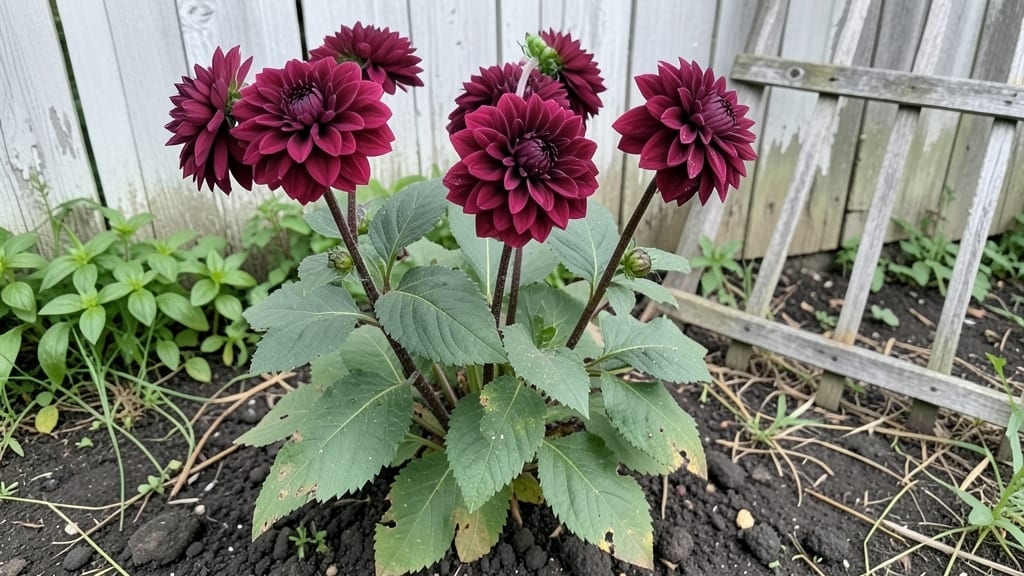
Creating a dahlia garden layout that bursts with color from midsummer to frost is easier than you think—it just takes the right mix of bold blooms, strategic spacing, and a few companion plants to keep everything thriving.
I’ve designed my own dahlia beds this way for years, and the results are always shockingly lush, with every layer packed with drama. The key isn’t just planting dahlias; it’s arranging them so they overlap in bloom time, creating a nonstop show that neighbors drive past to admire.
Start with a focal point—a single variety in a dramatic color like deep burgundy or electric pink—surrounded by smaller clusters in complementary shades.
Dahlias need 18-24 inches of space between plants to avoid crowding, but you can tuck in shorter perennials like black-eyed Susans or ornamental grasses at their feet to fill gaps.
For a formal look, stick to geometric beds; for a wild, romantic vibe, let them spill over edges with climbing varieties like ‘Arabian Night’ or ‘Galaxy.’
By layering early, mid, and late-season bloomers, you’ll have flowers from July through October without gaps. Pair tall varieties at the back with mid-height pompons in the middle and smaller dinnerplate types up front.
Add a few fragrant companions like lavender or catmint to deter pests naturally, and you’ll spend less time fussing over wilting petals. The payoff? A garden that looks like it took months to perfect—but actually comes together in just a weekend.
This layout works for small city gardens or sprawling backyard beds, and it’s just as stunning in containers if space is tight. The same principles apply whether you’re going for a cottage-core charm or a sleek modern border.
Once you see how the blooms cascade together, you’ll never plant dahlias in a single row again.
📚 In This Guide
- What you need
- Instructions
- Tips and common mistakes
- Wrapping up and next steps
What you need
- ● Dahlia tubers: 15–25 tubers (depending on garden size), choose a mix of heights (18"–6' tall) for layered drama. Opt for disease-resistant varieties like 'Karma Choc' or 'Café au Lait'.
- ● Well-draining soil: 10–15 cubic yards (for a 10’x10’ bed). Amend with compost (2–3 bags) and perlite/vermiculite (1–2 bags) to prevent rot.
- ● Organic fertilizer: 5–10 lbs of 5-10-10 or balanced bloom booster (like Dr. Earth or Espoma).
- ● Mulch: 2–3 cubic feet of straw or wood chips to retain moisture and suppress weeds.
- ● Garden fork or tiller: 1 (for aerating soil).
- ● Hand trowel: 2–3 (for planting and transplanting).
- ● Pruners: 1 pair of bypass pruners (for deadheading and shaping).
- ● Watering can or hose with nozzle: 1 (dahlias love 1–2 inches of water weekly).
- ● Stakes or cages: 10–20 (for taller varieties; opt for 6–8 ft bamboo stakes).
- ● Measuring tape: 1 (to space plants 18–36" apart, depending on size).
- ● Slow-release fertilizer spikes: 1–2 (for extra nutrients mid-season).
- ● Garden gloves: 1 pair (dahlias can be thorny!).
- ● Garden twine: 1 roll (for securing stakes).
- ● Decorative edging: Stones, bricks, or metal (to define beds and add flair).
- ● Shade cloth: 1 roll (if planting in hot climates; 30–50% coverage).
Instructions for designing a stunning dahlia garden layout
Here’s how to create a layered, high-impact dahlia display that thrives all season.
Plan Your Garden’s Vertical Layers
Dahlias shine when planted in tiers—tall varieties in the back, mid-height in the middle, and smaller types up front. Start by sketching your space, marking the sunniest, most sheltered area (dahlias need 6+ hours of direct sun daily). I typically allocate 3-4 feet of depth for each layer to prevent shading and ensure all blooms get airflow. Use stakes or trellises for taller varieties (like ‘Café au Lait’) to keep stems upright and prevent flopping.
For a 4-serving layout, I plant 2-3 tall dahlias (4-5 feet), 3-4 mid-height (2-3 feet), and 4-5 dwarf or semi-dwarf varieties (1-2 feet). This creates a natural staircase effect that draws the eye upward. Avoid crowding—space plants 18-24 inches apart to allow roots to spread and reduce disease risk. If your garden is narrow, opt for a single row of increasing height rather than layers.
Group Dahlias by Bloom Time and Color
Dahlias bloom in waves, so stagger planting dates to ensure continuous color from midsummer to frost. Early bloomers (like ‘Bishop’ series) go in first, followed by mid-season varieties (‘Arabian Night’), and late bloomers (‘Thomas Edison’) last. I group plants by color families—purples and blues together, reds and oranges in another cluster, and whites/creams in a third—to create bold, cohesive swaths. This also makes maintenance easier; you’ll deadhead entire sections at once.
For contrast, intersperse foliage plants like canna lilies or hostas between dahlia clumps. Their lush leaves soften the garden’s edges and provide a backdrop for smaller blooms. Avoid planting dahlias next to tomatoes or potatoes—they share diseases like blight. Instead, pair them with salvias, cosmos, or marigolds for pest resistance and complementary textures.
Prepare the Soil for Dahlia Success
Dahlias are heavy feeders and demand well-draining, nutrient-rich soil with a pH of 6.0-7.0. Before planting, amend the soil with 3-4 inches of compost and 1 cup of 5-10-10 fertilizer per plant mixed into the top 12 inches. I also add a handful of bone meal for phosphorus to encourage strong root and tuber development. If your soil is clay-heavy, incorporate peat moss or perlite to improve aeration.
Dig planting holes twice as wide as the root ball but no deeper. Gently loosen the roots of container-grown dahlias before setting them in—this encourages them to spread into the surrounding soil. Water deeply after planting to eliminate air pockets and settle the soil. Mulch with 2-3 inches of shredded bark or straw to retain moisture, suppress weeds, and regulate soil temperature. Avoid organic mulches like grass clippings, which can compact and suffocate roots.
Stake and Train Dahlias for Maximum Impact
Most dahlia varieties need support—even semi-dwarf types benefit from bamboo stakes or spiral supports inserted at planting. Drive stakes 6-8 inches deep and tie stems loosely with soft plant ties or old pantyhose to avoid damaging the stems as they grow. For large-flowered varieties, I use tomato cages or heavy-duty wire cages to distribute weight evenly. Avoid over-tightening; dahlias grow 1-2 inches per day in ideal conditions, and stems need room to thicken.
Pinch back the first set of true leaves when plants are 12-18 inches tall to encourage bushier growth. This might seem counterintuitive, but it redirects energy from vertical growth to lateral branching, resulting in more blooms per stem. Remove any side shoots that form below the first 6 inches—these rarely produce flowers and divert resources from the main stems. Watch for yellowing lower leaves, a sign of overwatering or poor drainage, and adjust your care routine immediately.
Maintain for Season-Long Blooms
Deadheading is non-negotiable for dahlias—remove spent blooms daily to prevent seed formation and encourage new flowers. Cut stems back to the first set of healthy leaves or a budding side shoot to redirect energy. I also fertilize every 3-4 weeks with a balanced liquid fertilizer (like 10-10-10) diluted to half strength. In late summer, switch to a low-nitrogen, high-phosphorus formula (like 5-10-10) to boost root strength and prepare for fall blooms.
Water dahlias deeply 1-2 times per week, aiming for 1-1.5 inches of water per session. Early morning is best to reduce fungal risks. If your area experiences high heat, increase frequency to every 2-3 days and mulch again if the topsoil dries out. Watch for aphids or Japanese beetles—spray infested plants with neem oil or introduce ladybugs for natural control. By late September, reduce watering slightly to harden off tubers for winter storage.
Tips & tricks for perfect dahlia garden layouts
Creating a showstopping dahlia garden takes more than just planting pretty flowers—it's about strategic layering, timing, and ongoing care that transforms your space into a seasonal masterpiece.
Layering for Maximum Impact: When planning your vertical tiers in Step 1, remember that the 3-4 feet of depth between layers isn't just about aesthetics—it's about light penetration. The tallest dahlias (4-5 feet) should cast just enough shade to protect mid-height varieties (2-3 feet) without blocking their sunlight entirely. For narrow spaces, consider a diagonal arrangement rather than strict layers, which creates visual movement while maintaining the height progression. This approach also prevents the "wall effect" where all blooms appear at eye level simultaneously.
Color Theory in Practice: Grouping by color families in Step 2 isn't just decorative—it's a maintenance strategy. The purple-blue cluster should be placed where morning sunlight hits first, as these colors naturally fade faster in direct afternoon heat. Red and orange dahlias, which contain more heat-resistant pigments, work beautifully in sunnier afternoon positions. Pro tip: Add a single contrasting color (like white 'Thomas Edison') to each group—this creates visual anchors that make your color blocks pop even more dramatically.
Soil Preparation Secrets: The 12-inch deep soil amendment you mix in Step 3 should include a 50/50 blend of compost and aged manure for optimal texture. For clay-heavy soils, incorporate vermiculite instead of peat moss—it retains moisture better while preventing compaction. When planting, press the soil gently around the roots to eliminate air pockets, but don't pack it down firmly. Think of it like tucking a child into bed: firm enough to stay put, but gentle enough to breathe.
Staking Strategy: The 6-8 inch deep stakes mentioned in Step 4 should be inserted at a 45-degree angle for maximum stability. For large-flowered varieties, use two stakes per plant positioned diagonally to create an "X" support system. When tying stems, use soft plant ties that can stretch as the plant grows—old T-shirts cut into strips work perfectly. The key is to support without constricting, allowing the stems to thicken naturally as they grow 1-2 inches per day in ideal conditions.
Pro Tips for Dahlia Garden Layout
- Creating a showstopping dahlia garden takes more than just planting pretty flowers—it's about strategic layering, timing, and ongoing care that transforms your space into a seasonal masterpiece.
- Layering for Maximum Impact: When planning your vertical tiers in Step 1, remember that the 3-4 feet of depth between layers isn't just about aesthetics—it's about light penetration.
- Color Theory in Practice: Grouping by color families in Step 2 isn't just decorative—it's a maintenance strategy.
Frequently asked questions
about creating a stunning dahlia garden layout—because even the boldest blooms need a little guidance!When is the best time to plant dahlias for a full-season display?
Plant dahlia tubers after the last frost when soil reaches 60°F (15°C). For most U.S. zones, this means April–May. In cooler climates, start tubers indoors 6–8 weeks before transplanting. Pro tip: Use black plastic mulch to warm the soil faster!
How close can I plant dahlias together in a layered garden?
Space dahlias 12–24 inches apart, depending on variety (dwarf types need less room). In layered layouts, place tall dahlias (3–5 ft) at the back, medium (2–3 ft) in the middle, and bush or cactus types (1–2 ft) in front. This creates depth and prevents shading smaller plants.
Do dahlias survive winter in my garden, or should I dig them up?
Dahlias are tender perennials—they don’t survive frost. In zones 8–10, mulch heavily to protect tubers. In colder zones, dig up tubers after frost, trim foliage, and store in a cool (35–45°F/2–7°C), dry place until spring. Pro tip: Label tubers to avoid spring mix-ups!
What pests or diseases should I watch for in a dahlia garden?
Common issues include slugs, aphids, and powdery mildew. Prevent slugs with copper tape or diatomaceous earth. Spray aphids with soapy water. For mildew, improve airflow and avoid overhead watering. Quick fix: Neem oil tackles multiple pests gently.
Can I mix dahlias with other plants in my garden layout?
Pair dahlias with companion plants like salvia, rudbeckia, or ornamental grasses for texture. Avoid competitive perennials (e.g., hostas) that steal nutrients. Design hack: Use low-growing thyme or ajuga as living mulch to suppress weeds and retain moisture.
Wrapping up and next steps
Creating a stunning dahlia garden layout is all about embracing bold colors, strategic layering, and seasonal harmony. Whether you’re a beginner or a seasoned gardener, the key is to play with heights, textures, and blooms—letting dahlias take center stage while supporting them with complementary plants.
With the right design, your garden will burst into life from summer through fall, offering endless visual delight.
Ready to transform your space? Start small—pick a corner, sketch your layout, and gather your plants. Your dream garden is just a shovel’s throw away! 🌸