Pests and Diseases
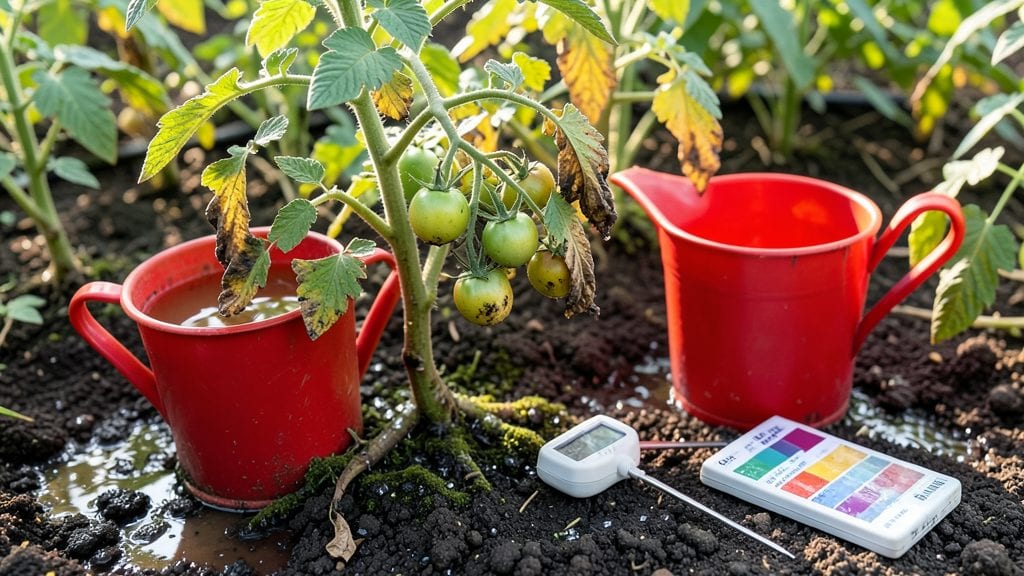
That fuzzy white blanket creeping across your garden isn’t just unsightly—it’s mold, and it’s telling you your soil is too wet or your plants aren’t getting enough airflow. 🌱 I’ve battled this exact problem after a rainy spring, and the good news?
You can remove it without poisoning your soil or smothering your plants.
The root causes are usually simple: overwatering, poor drainage, or too much organic debris sitting too long. I learned the hard way that simply raking mold away doesn’t fix the issue—it just makes it worse by spreading spores.
The real solution starts with airflow: prune crowded plants, space out mulch, and water at the base instead of overhead.
You’ll see results within a week if you adjust your watering schedule and improve drainage. For stubborn patches, a mix of baking soda and water (1 tablespoon per gallon) sprayed directly on the mold works like a charm—it kills the fungus without harming your soil microbes.
The key is consistency: keep the area dry and well-ventilated long-term.
This method works for vegetable beds, flower gardens, and even lawns—no matter your climate. The goal isn’t just to remove the mold but to create an environment where it can’t return. Let’s get your garden back to healthy and thriving.
The Hidden Triggers Behind Fungal Growth
Mold in your garden isn’t just an eyesore—it’s a sign that your outdoor space is providing the perfect conditions for fungal spores to thrive. Understanding the root causes helps you address the problem at its source, not just the symptoms.
Let’s break down the science behind why mold takes over your garden, so you can outsmart it before it spreads.
Mold spores need moisture to germinate, and gardens are often drowning in it—whether from overwatering, poor drainage, or relentless rain. Here’s how it happens:
- Overwatering or Irrigation Issues: Watering too frequently or using sprinklers that soak soil and foliage creates a damp, humid environment. Fun fact: Mold spores can germinate in as little as 24–48 hours with consistent moisture.
- Poor Soil Drainage: Compacted or clay-heavy soil traps water, preventing it from draining away. This turns garden beds into soggy breeding grounds for mold.
- Lack of Airflow: Dense plantings or mulch piled too thickly block airflow, trapping humidity near the soil surface.
Actionable fix: Test your soil’s drainage by digging a small hole, filling it with water, and timing how long it takes to drain. If it’s slower than 4 hours, amend with compost or sand to improve aeration.
Leaves, dead plants, and wood chips may seem like natural mulch, but they’re also a buffet for mold. Here’s why:
- Decomposing Matter: Mold feeds on cellulose (found in plant material) and lignin (in wood). As organic matter breaks down, it releases heat and moisture—ideal for fungal growth.
- Thatch Buildup: In lawns, thick layers of dead grass (thatch) trap moisture and block sunlight, creating a dark, damp layer perfect for mold.
- Stagnant Water Sources: Piles of leaves or debris in low-lying areas collect rainwater, turning into moldy slush over time.
Actionable fix: Rake up fallen leaves and trim dead plants regularly. For mulch, use coarse materials like pine straw or shredded bark, and keep it 2–3 inches away from plant stems to allow airflow.
Mold loves warmth and humidity—think of it as a tropical vacation for fungi. Here’s how climate plays a role:
- Warm, Stagnant Air: Temperatures between 77–86°F (25–30°C) accelerate mold growth. Humidity above 60% turns your garden into a fungal paradise.
- Nighttime Dew: Cool evenings cause condensation on leaves and soil, providing a free watering for mold spores.
- Shady Spots: Areas with little sunlight stay cooler and damper longer, extending the mold-friendly window.
Actionable fix: Improve airflow with strategic pruning or install a small fan in shaded areas. Water plants early in the day so foliage dries before evening dew sets in.
Stressed or dying plants can’t fight off mold invasions. Here’s how their decline creates opportunities for fungi:
- Nutrient Deficiencies: Plants lacking nitrogen or phosphorus produce weak stems and leaves, making them easier targets for mold.
- Pests or Disease: Insect damage or viral infections create open wounds where mold spores can latch on.
- Root Rot: Overwatered or waterlogged roots starve the plant, causing above-ground foliage to wilt and rot—prime real estate for mold.
Actionable fix: Test your soil’s pH and nutrient levels (ideal range: 6.0–7.0 for most plants). Use organic fertilizers like compost tea or fish emulsion to boost plant resilience.
Pro tip: 💡 Monitor your garden’s microclimate with a hygrometer (humidity meter) and adjust watering schedules based on real-time data. Prevention is easier than cleanup!
Quick Fixes for Fungal Foes
Discovering mold in your garden can feel like a losing battle—until you know the right moves. The good news? Most garden mold issues have simple, plant-friendly solutions. Below, we’ll match common causes to targeted fixes, plus share prevention tricks to keep your green space thriving.
No harsh chemicals, no guesswork—just practical steps to reclaim your garden.
Mold thrives in damp conditions, so the first step is often the simplest: reduce humidity. Overwatering, poor drainage, or shady spots create the perfect breeding ground. Here’s how to flip the script:
- 🔥 Improve Drainage Amend heavy or compacted soil with organic matter like compost or perlite. For container plants, ensure pots have drainage holes and elevate them slightly to prevent water pooling.
- 👨🍳 Adjust Watering Habits Water deeply but less frequently—aim for the soil, not the leaves. Use a soaker hose or drip irrigation to deliver moisture directly to roots. Pro tip: Water in the early morning so foliage dries quickly.
- 🌡️ Increase Airflow Prune overgrown plants to improve circulation, and space them out if they’re crowded. A gentle fan on a timer can also help dry out humid areas like greenhouses or shaded corners.
- ✨ Sunlight Boost If your garden is perpetually shaded, consider adding sun-loving plants or installing a small solar-powered light to encourage evaporation.
Leaf litter, mulch, and decaying plant debris create a cozy home for mold spores. Break the cycle with these steps:
- 🔪 Remove Infested Debris Rake up fallen leaves, dead plants, and thick mulch layers. Dispose of heavily moldy material in a sealed bag (not your compost bin—mold can spread).
- 🍳 Refresh Mulch Replace old mulch with a fresh layer of dried, coarse mulch (like straw or wood chips), which allows better airflow. Avoid piling mulch against plant stems—keep it 2–3 inches away.
- 🌡️ Compost Right If you compost on-site, turn the pile regularly and keep it in a well-ventilated bin. Hot composting (140°F+) kills mold spores naturally.
Rainy seasons or high humidity can turn your garden into a mold magnet. Stay ahead with these tweaks:
- 💡 Shade Solutions If mold loves your shady spots, try reflective mulches (like white gravel) to bounce sunlight down or install a partial shade cloth to reduce moisture retention.
- 🎯 Protect Sensitive Plants For moisture-loving plants (like ferns or hostas), group them together to create a microclimate with consistent humidity. Avoid mixing them with drought-tolerant species.
- ✨ DIY Fungicide Spray Mix 1 quart water + 1 tbsp hydrogen peroxide (3%) + 1 tsp baking soda in a spray bottle. Lightly mist affected areas (avoid over-saturating). Reapply every 7–10 days until mold subsides.
An ounce of prevention is worth a pound of cleanup. Lock in your progress with these long-term strategies:
- 📊 Soil Testing Test your soil’s pH and nutrient levels annually. Mold often thrives in acidic or nutrient-poor soil. Amend with lime (to raise pH) or compost (to balance nutrients) as needed.
- 💪 Plant Resistance Choose mold-resistant varieties for your climate. For example:
| Problem Area | Mold-Resistant Swaps |
|---|---|
| Leaf Spot Prone | Zinnias, marigolds, or beefsteak tomatoes |
| Fungal Disease Hotspots | Basil, oregano, or lavender (herbs with natural antifungal properties) |
- 🌱 Rotate Crops Avoid planting the same family of plants (like tomatoes or peppers) in the same spot yearly. This disrupts mold and disease cycles in the soil.
- 🎯 Seasonal Checkups
- Spring: Aerate soil and top-dress with compost.
- Fall: Remove all plant debris and till in organic matter.
- Winter: Cover bare soil with a thick layer of straw to smother spores.
With these targeted fixes, your garden can go from moldy mess to lush paradise in no time. The key? Act fast, stay consistent, and let nature’s balance do the heavy lifting. 🌿
Frequently asked questions about garden mold
Why does mold keep coming back even after I clean it up?
Mold returns because the underlying conditions—like excess moisture or poor airflow—aren’t fixed. Simply removing mold spreads spores, so focus on improving drainage, spacing plants further apart, and watering at the base. Without these changes, the same damp environment will regrow mold within days.
Is it safe to compost moldy garden debris?
No, never compost heavily moldy material. Mold spores will spread and thrive in your compost pile, creating more problems. Instead, seal moldy debris in a trash bag and dispose of it in outdoor bins. Only add well-decomposed, dry organic matter to your compost.
Can I use vinegar to kill garden mold?
Yes, but dilute it first! Mix 1 part white vinegar with 3 parts water and spray on moldy areas. Vinegar’s acidity kills spores, but avoid spraying plants directly (it can harm foliage). Reapply every 3-4 days until mold disappears. For stubborn patches, repeat weekly as prevention.
Will mold harm my vegetables or flowers?
Not all mold is dangerous, but some types can weaken plants or contaminate edible crops. Black or green mold on soil is usually harmless, but fuzzy white/green growth on leaves or fruit may indicate toxic varieties. Remove affected plants immediately and improve airflow to prevent spread. Always wash produce thoroughly before eating.
How do I know if my soil has too much moisture?
Check by pressing your finger 1-2 inches into the soil. If it feels soggy or water drips out, your soil is too wet. For container plants, lift pots—if they’re heavy with water, they need better drainage. Amend soil with perlite or compost to improve aeration and reduce moisture retention.