
Tools
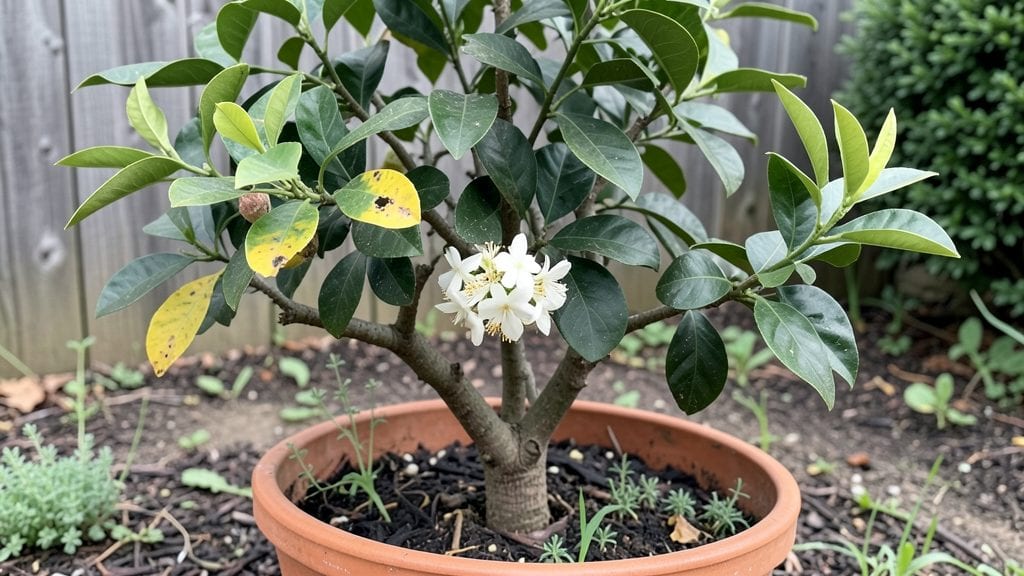
A lemon tree garden brings that zesty Mediterranean charm to your backyard—or even a sunny windowsill. 🌿 I’ve squeezed full-sized citrus into containers on my tiny patio, and the results are shockingly lush: fragrant blossoms, glossy leaves, and fruit that tastes nothing like store-bought.
The key isn’t space—it’s sunlight, the right soil, and a few strategic companions.
Start with a 15-gallon container for dwarf varieties or dig a 6-foot-wide in-ground circle for full-sized trees. Pair your lemon tree with lavender (repels pests), rosemary (loves the same conditions), and marigolds (brighten the space).
A south-facing spot with 6+ hours of direct sun is non-negotiable—citrus thrives where it’s warm, not just where it’s sunny.
By summer, you’ll have a fragrant canopy of white blossoms followed by bright green fruit ripening in late fall. The scent alone—like a coastal breeze—transforms any yard into a retreat. Prune lightly in spring to encourage airflow, and fertilize monthly with citrus-specific food for that juicy, sweet-tart payoff.
Works for balconies, courtyards, or even a single pot on a deck. The same principles apply whether you’re growing one tree or a whole grove. Let’s design your sun-drenched citrus corner!
📚 In This Guide
- What you need
- Instructions
- Tips and common mistakes
- Wrapping up and next steps
What you need
- ● Lemon tree sapling: Choose a dwarf variety (like Meyer lemon or Eureka) for small spaces. 1-2 plants per garden.
- ● Well-draining potting mix: 5-10 gallons (avoid heavy garden soil—lemon trees hate soggy roots!).
- ● Containers (if potted): 1-2 large pots (15-20 gallons each) with drainage holes. Terracotta or fabric pots work best.
- ● Slow-release citrus fertilizer: 1-2 lbs (look for NPK ratios like 6-6-6 or 8-3-9).
- ● Mulch: 2-3 inches of organic mulch (e.g., straw or wood chips) to retain moisture.
- ● Drip irrigation system or watering can: 1 (consistent moisture is key!).
- ● Garden gloves (to protect your hands from thorns!).
- ● Trowel or small shovel (for planting and soil prep).
- ● Pruning shears (to shape your tree and encourage fruit).
- ○ pH testing kit (optional but helpful—lemon trees love slightly acidic soil (pH 6.0-7.0)).
- ○ Support stake or trellis (optional, for young trees in windy areas).
- ○ Citrus food or Epsom salt (optional, for magnesium boosts).
Step-by-step instructions for cultivating a lemon tree garden
Here’s how to grow a thriving lemon tree in limited space, using proven techniques for sun-loving citrus.
🌱 Step 1: Select the Right Variety and Container
For small spaces, choose dwarf varieties like Meyer lemon or Improved Meyer lemon, bred for compact growth and indoor/outdoor adaptability. These stay under 6 feet tall and thrive in containers, making them ideal for patios or sunny windowsills.
Use a 15-20 gallon container with drainage holes—citrus roots need airflow to prevent rot. I opt for unglazed terra cotta because it breathes and helps regulate moisture. Fill the bottom 2 inches with coarse gravel or pumice to improve drainage and prevent soggy roots.
☀️ Step 2: Prepare Soil and Plant the Seedling
Citrus demands well-draining, slightly acidic soil (pH 6.0–7.0). Mix 3 gallons of premium potting mix with 1 gallon of perlite and 1 cup of coarse sand to create a loose, aerated medium. Avoid garden soil—it compacts and suffocates roots.
Plant your 4-inch-tall lemon tree so the graft union (the bump near the base) sits 1 inch above soil level. This prevents root rot while allowing the tree to mature. Water deeply until moisture runs from the drainage holes, then let excess water drain completely.
💧 Step 3: Establish a Watering and Light Routine
Lemon trees need consistent moisture but hate soggy roots. Water when the top 2 inches of soil feel dry—typically 2–3 times weekly in summer, less in winter. I use a moisture meter to avoid guesswork, as overwatering causes root rot faster than underwatering.
Place your tree in full sun (6+ hours daily)—a south-facing window or grow lights 6–8 inches above work for indoor setups. Without enough light, leaves yellow and fruit never sets. If outdoors, move the pot to a sheltered spot during hot afternoons to prevent leaf scorch.
✂️ Step 4: Prune and Fertilize for Healthy Growth
Prune in late winter or early spring to shape the tree and encourage airflow. Remove dead or crossing branches with sterilized pruning shears, cutting just above a leaf node. Avoid heavy pruning—citrus trees fruit on new growth, so keep the structure open but intact.
Feed every 4–6 weeks with a balanced citrus fertilizer (10-10-10 or 8-3-9). I dilute it to half-strength to prevent salt buildup, which burns roots. Flush the soil with water monthly to leach excess salts, especially if you notice crispy leaf edges.
🍋 Step 5: Encourage Flowering and Fruit Set
Lemon trees need cool nights (55–60°F) and warm days (70–85°F) to flower. If indoors, move the tree near a cool window at night or use a fan to simulate breeze—both trigger blooming. Once flowers appear, hand-pollinate with a soft brush to ensure fruit sets.
Thin fruit when golf-ball sized, leaving 6–8 inches between lemons to prevent overburdening the tree. Overloaded branches snap, and small fruit stays sour. Harvest when fully yellow—they won’t ripen further off the tree. You’ll get 4–6 lemons per tree in its second year with proper care.
Tips & tricks for perfect lemon tree cultivation
Here's what I've learned from years of nurturing lemon trees in tight spaces—these details make all the difference between a struggling plant and a flourishing citrus haven.
Container Selection: While the instructions recommend 15-20 gallon containers, I've found that 20-gallon containers provide better stability for mature trees and prevent root circling—a common issue with smaller pots. If using terra cotta, consider adding a 2-inch layer of expanded clay pellets instead of gravel at the bottom—they're lighter and won't compact over time. For indoor setups, choose containers with wide, flat bottoms for better stability near windowsills.
Soil Mix Science: The 3:1:1 ratio of potting mix to perlite to sand is perfect, but here's my upgrade: add 1/4 cup of worm castings to the mix for natural microbial activity that boosts root health. I also recommend mixing in 1 tablespoon of citrus-specific mycorrhizal fungi—this beneficial fungus helps roots absorb nutrients more efficiently. Both additions are optional but make a noticeable difference in growth vigor.
Light Optimization: For indoor growers, I've had the most success with full-spectrum LED grow lights placed 6-8 inches above the tree. Run them for 12-14 hours daily to mimic natural daylight cycles. If using natural sunlight, rotate your container quarter-turn weekly to prevent the tree from leaning toward one light source—a common issue that creates lopsided growth.
Temperature Management: The instructions mention cool nights (55-60°F) and warm days (70-85°F) for flowering, but here's the critical detail: maintain consistent temperature swings of about 15-20°F between day and night. This diurnal temperature variation is what triggers blooming hormones in citrus trees. If your indoor space stays too warm at night, place the tree near an open window with a fan circulating cool air.
Pro Tips for Lemon Tree Garden
- Here's what I've learned from years of nurturing lemon trees in tight spaces—these details make all the difference between a struggling plant and a flourishing citrus haven.
- Container Selection: While the instructions recommend 15-20 gallon containers, I've found that 20-gallon containers provide better stability for mature trees and prevent root circling—a common issue with smaller pots.
- Soil Mix Science: The 3:1:1 ratio of potting mix to perlite to sand is perfect, but here's my upgrade: add 1/4 cup of worm castings to the mix for natural microbial activity that boosts root health.
Frequently asked questions
Got questions about growing your own lemon tree garden? You’re not alone! Here are some of the most common queries—and their sun-kissed solutions.
How much sunlight does a lemon tree need in a small garden?
A lemon tree thrives in full sun (6–8+ hours daily). In tight spaces, place it near a south- or west-facing window or use a grow light for 12–14 hours/day if indoors. Pro tip: Rotate pots weekly for even growth!
When can I expect lemons to grow in a potted lemon tree?
Patience is key! Dwarf varieties may bear fruit in 3–5 years, while standard trees take 5–10 years. Ensure consistent care (water, fertilizer, pruning) and provide winter chill (40–50°F for 8–12 weeks) to trigger blooming. Bonus: Smell the blossoms first—they’re fragrant!
How often should I water a lemon tree in a small garden?
Water when the top 1–2 inches of soil are dry (usually every 5–7 days). Overwatering is deadly—ensure pots have drainage holes. Troubleshooting: Yellow leaves? Check for root rot or adjust watering.
Can I grow a lemon tree indoors year-round, or do I need outdoor space?
Yes! Dwarf varieties (like ‘Meyer’ lemons) thrive indoors near sunny windows. Move them outdoors in spring/summer for pollination (bees help!). For year-round fruit, use a handheld pollinator or gently shake branches.
What’s the easiest lemon tree variety for beginners in small gardens?
Start with ‘Meyer’ lemons—they’re cold-hardy, disease-resistant, and produce sweet fruit. Other top picks: ‘Improved Meyer’ (dwarf) or ‘Eureka’ (hardy but needs more space). Tip: Buy a grafted tree to avoid pests!
How do I keep pests away from my lemon tree garden?
Prevent pests with neem oil or insecticidal soap. Watch for aphids, scale, or spider mites—wipe leaves with soapy water. Pro tip: Introduce ladybugs for natural pest control!
Wrapping up and next steps
Growing a lemon tree garden in small spaces isn’t just possible—it’s a rewarding way to bring sunshine and zesty flavors to your home! 🌿 Whether you’re a beginner or a seasoned green thumb, the key is patience, the right tools, and a little creativity.
With the tips and tricks shared here, you’re well on your way to harvesting fresh, fragrant lemons year after year.
Ready to take the next step? Start by planting your first lemon tree today—your future kitchen (and taste buds) will thank you! 🍋✨