
Plants
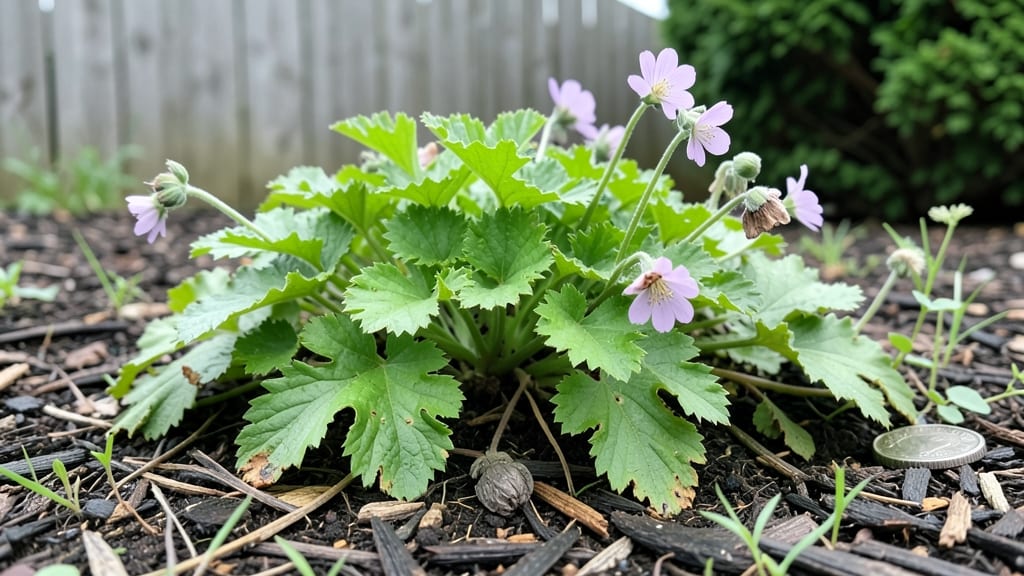
Identifying garden plants by their leaves, flowers, and growth habits turns a confusing guess into a confident gardening skill.
Struggling to tell your mint from your mint-family imposter? Learning to spot subtle differences in leaf shape, flower structure, and stem patterns can make all the difference between a thriving garden and a mystery patch of greenery. 🌱
With just a few key visual cues—like lobed leaves or serrated edges—you’ll quickly distinguish basil from dill, roses from thistles, and even avoid accidental poison ivy. The best part? No fancy tools are needed to start.
Below, I’ll walk you through the quickest way to decode your garden’s secrets, from leaf arrangements to flower symmetry, so you can name—and nurture—what’s growing in your yard.
How to identify garden plants by leaf shape and arrangement
Identifying garden plants starts with understanding leaf morphology—the science of leaf shapes and arrangements. Leaves are like nature’s fingerprints, offering clues about a plant’s identity. For example, basil has broad, serrated leaves with a distinct aromatic scent, while ivy features lobed leaves with opposite arrangement.
Mastering these basics will help you distinguish common garden plants with confidence.
Leaf shapes fall into two main categories: simple (single undivided blade) and compound (multiple leaflets). Simple leaves, like those on oak trees, have smooth or jagged edges, while compound leaves, such as clover, divide into smaller leaflets.
Pay attention to these distinctions—they’re often the first clue to a plant’s identity.
Next, examine the leaf margins, or edges. Smooth margins are common in plants like rosemary, while serrated (toothed) edges appear on tomato leaves. Lobed leaves, like those on oak trees, create a distinct, finger-like pattern. Each margin type helps narrow down possibilities in your plant ID quest.
The way leaves attach to the stem—called leaf arrangement—is another critical clue. Alternate arrangements, like those on maple trees, feature one leaf per node, while opposite arrangements, such as mint, have two leaves per node. Whorled arrangements, like holly, group three or more leaves at a single point.
Leaf venation (the pattern of veins) also plays a role. Pinnate venation, like in birch trees, features a central vein with smaller veins branching off, while palmate venation, seen in maple leaves, radiates from a single point. These patterns are unique to certain plant families and can help you identify them quickly.
Now, let’s break this down with a visual reference to make identification even easier. Below, you’ll find a summary of key leaf characteristics for common garden plants, including their shapes, margins, and arrangements.
| Plant | Leaf Type | Margin Type | Arrangement | Venation |
|---|---|---|---|---|
| Basil | Simple | Serrated | Opposite | Pinnate |
| Oak Tree | Simple | Lobed | Alternate | Pinnate |
| Ivy | Simple | Lobed | Alternate | Palmate |
| Clover | Compound | Smooth | Alternate | Pinnate |
| Maple Tree | Simple | Lobed | Opposite | Palmate |
Take basil, for example. Its serrated leaves with opposite arrangement and aromatic scent make it easy to spot. Compare this to mint, which also has opposite leaves but with a smooth margin and a distinct minty fragrance. These small differences are what help gardeners tell them apart.
When identifying plants, always consider the leaf texture too. Some leaves are smooth, like those on rosemary, while others are fuzzy or hairy, such as lamb’s ear.
Texture can be a game-changer in distinguishing between similar-looking plants, especially in the Lamiaceae family, which includes herbs like basil, mint, and oregano.
If you’re still unsure, observe the leaf underside. Some plants, like stinging nettle, have tiny hairs that can irritate skin, while others, like hostas, have smooth undersides. This extra step can help you avoid misidentifying plants, especially those with toxic lookalikes like foxglove and comfrey.
Practice makes perfect! Start by identifying plants in your own garden, then expand to local parks or botanical gardens. The more you observe, the easier it becomes to recognize patterns and distinguish between species. Soon, you’ll be identifying plants with the confidence of a seasoned botanist.
Remember, leaves aren’t the only clue—flower structure and
Flower and stem clues for accurate plant identification
When you’re staring at a mysterious plant in your garden, the flower structure and stem characteristics often hold the key to unlocking its identity.
Unlike leaves, which can look similar across species, flowers and stems reveal unique traits that narrow down possibilities—especially when distinguishing edible plants from their toxic lookalikes. For example, foxglove and comfrey might both have lush foliage, but their flowers and stems tell a completely different story.
Start by examining the flower symmetry. Radial symmetry (like a daisy) is common in many garden plants, while bilateral symmetry (like a snapdragon) often indicates a more specialized species. Count the petals—some plants, like lilies, have three petals, while others, like roses, boast five or more.
These details can quickly rule out entire plant families and help you avoid dangerous mistakes.
Next, inspect the stem texture and growth pattern. Is the stem hairy, smooth, or ridged? Does the plant grow in a single stem or multiple branches? Annuals like marigolds die after one season, while perennials like lavender return year after year.
These clues help you understand whether the plant is a short-term guest or a long-term resident in your garden.
🌱
✅ Pros of Flower & Stem Analysis
- ✔️ Distinguishes toxic lookalikes (e.g., foxglove vs comfrey)
- ✔️ Reveals edible vs non-edible plants with confidence
- ✔️ Identifies growth habits (annuals vs perennials)
- ✔️ Works year-round (unlike leaf-only methods)
❌ Cons of Flower & Stem Analysis
- ✖️ Requires flowers—not helpful for seedling stages
- ✖️ Some plants lack flowers (e.g., many grasses)
- ✖️ Seasonal limitations (winter dormancy hides clues)
- ✖️ Overlap in traits (e.g., mint vs oregano stems)
One of my favorite tricks is comparing flower color and petal arrangement. For instance, the bell-shaped flowers of foxglove are a dead giveaway for its toxicity, while the spiky blooms of comfrey are harmless (and even useful in the compost!).
Pay attention to whether flowers grow in clusters, spikes, or solitary forms—this can differentiate between herbs, vegetables, and wildflowers.
Don’t overlook the stem joint patterns. Square stems (like mint) or hollow stems (like milkweed) are telltale signs. If the stem is woody or herbaceous, that’s another clue.
For example, perennial herbs like thyme have woody stems at the base, while annual weeds like lamb’s quarters have smooth, green stems. These details help you decide whether to keep, prune, or remove the plant.
When in doubt, combine flower and stem observations with leaf analysis. Cross-referencing these traits with a plant identification app or field guide will give you the most accurate results.
And remember: when dealing with unknown plants, especially those with milky sap or unusual odors, it’s always safer to assume they’re toxic until proven otherwise.
🌿