How To
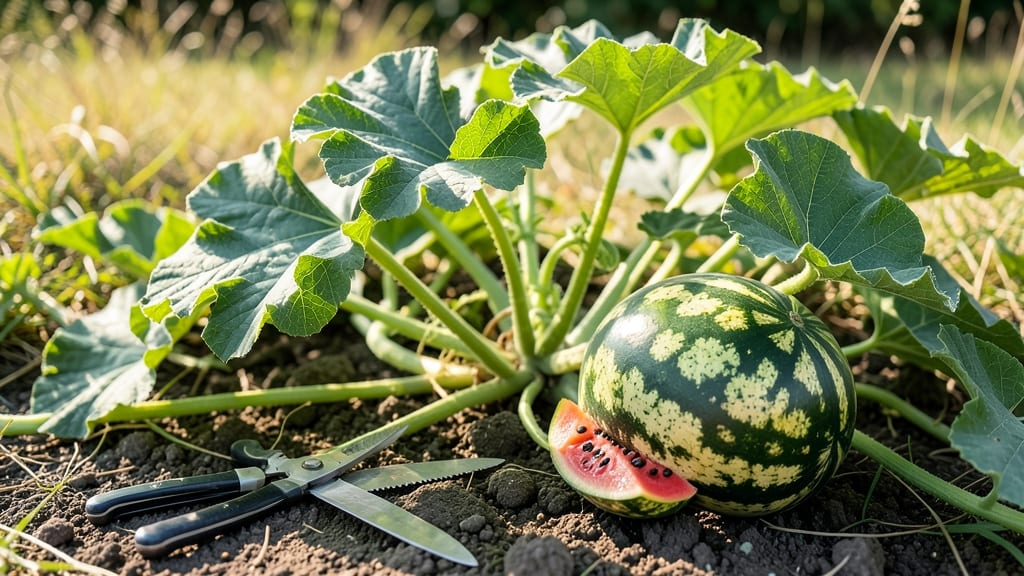
Knowing when to pick watermelon from your garden 🍉 means the difference between a sweet, juicy reward and a watery disappointment.
Picking too early means bland, watery fruit—but waiting too long can lead to overripe messes. Mastering these simple ripeness tests ensures you harvest the sweetest, juiciest watermelons every season.
From checking the ground spot for color changes to giving the rind a firm squeeze, these 5 foolproof methods take the guesswork out of harvest time. I’ll walk you through each trick so you never miss the perfect moment.
Whether you’re in Zone 6a or a warmer climate, these tips work for all varieties—just follow the cues your plants give you.

5 Visual and physical tests to determine watermelon ripeness
Nothing beats the satisfaction of slicing into a perfectly ripe watermelon—juicy, sweet, and bursting with flavor. But knowing exactly when to harvest can be tricky, especially for new gardeners. Watermelons don’t ripen further after picking, so timing is everything.
These 5 science-backed tests will help you pick at peak ripeness every time, avoiding the disappointment of bland or overripe fruit.
Each test focuses on different cues: color changes, texture, weight, and sound. By combining these methods, you’ll eliminate guesswork. For example, a creamy ground spot paired with a dull thump means your watermelon is ready to harvest.
Let’s dive into the details so you can confidently pluck the sweetest melons from your garden.
🌱
How to Know When to Pick Watermelon from Garden
-
1. Ground Spot Color
Look for a creamy yellow or white spot where the watermelon rested on the soil. This indicates sugar development. -
2. Field Spot Color
The opposite side of the ground spot should turn from green to buttery yellow or light green. -
3. Rind Texture
Press your thumbnail into the rind. If it doesn’t leave a dent and feels firm, the melon is ripe. -
4. Weight Assessment
Lift the watermelon—heavy fruit for its size means high water and sugar content, signaling ripeness. -
5. Thump Test
Tap the melon with your knuckles. A dull, hollow sound means it’s ripe, while a high-pitched ring means it’s underripe.
Start with the ground spot test, as it’s the most reliable early indicator. Many gardeners skip this and rely solely on the thump test, which can be misleading in cooler weather.
For example, a dull thump might just mean the melon is overripe or the soil is damp. Always cross-reference with at least two other tests to avoid mistakes.
Pro tip: Seedless watermelons often ripen slightly faster than heirloom varieties. Monitor them closely, especially if your growing season is short. If you’re in a hot climate, like the Southwest, melons may ripen faster due to accelerated sugar development.
Adjust your checks accordingly—sometimes daily inspections are needed in peak summer heat.
Another common mistake is assuming size alone determines ripeness. A watermelon can reach full size but still be underripe. Always combine size with the color and texture tests.
For instance, a 10-pound melon with a green rind and no ground spot is likely not ready, even if it looks big.
If you’re growing multiple watermelons, prioritize harvesting the ones showing the most ripeness cues first. This prevents overcrowding and ensures you get the sweetest fruit off the vine. Once you’ve mastered these tests, you’ll never second-guess your harvest timing again.
🍉
Common mistakes that trick gardeners into picking watermelons too early
Even experienced gardeners sometimes fall for false ripeness cues that lead to underripe or overripe watermelons. The biggest mistake? Relying on just one test—whether it’s vine drying, size, or even the classic thump test.
These methods can be misleading, especially in hot climates or when growing heirloom varieties with unpredictable ripening patterns.
Another common trap is assuming larger size means riper fruit—some watermelons simply grow bigger without ever reaching peak sweetness. Even the field spot (that creamy yellow patch) can be deceiving if checked too early.
To avoid these pitfalls, I’ve combined five science-backed tests that work together for foolproof results every time.
⚠️ Don’t Trust Just One Test!
Mistake: Picking based on vine drying alone—vines can dry out from heat stress, not ripeness.
Mistake: Assuming size determines ripeness—some varieties stay small but sweet.
Mistake: Relying on the thump test in hot weather—dry soil makes melons sound hollow when they’re not.
Solution: Combine 3+ tests (field spot, rind texture, temperature check, and soil moisture) for accuracy.
Here’s the pro trick: Soil temperature plays a hidden role. Watermelons ripen fastest when soil temps hit 80–90°F. If your garden runs cooler, melons may take 2–3 extra weeks to reach peak sweetness.
I always check soil temps with a thermometer—it’s the secret to timing harvests perfectly, especially in cooler climates like Zone 5–7.
Don’t overlook the stem test. A ripe watermelon’s stem near the fruit will dry and darken slightly, almost like a paper-thin crust. If the stem is still green or moist, the melon needs 7–10 more days.
This is my go-to backup test when other signs are unclear—it’s a dead giveaway for true ripeness.
For seedless varieties, add one more check: consistent color. Seedless watermelons often ripen more evenly, but their rinds can stay darker green longer. Look for uniform deep color (no streaks) and a slight dullness when touched—this means sugars have fully developed.
Finally, avoid the overripe trap. If a watermelon’s field spot turns orange or the rind feels soft to the touch, it’s past its prime. The best time to pick is when 80% of tests confirm ripeness—don’t wait for perfection, or you’ll end up with mushy fruit.
Pro tip: Harvest on a cool morning to preserve sweetness during transport.