
Vegetables
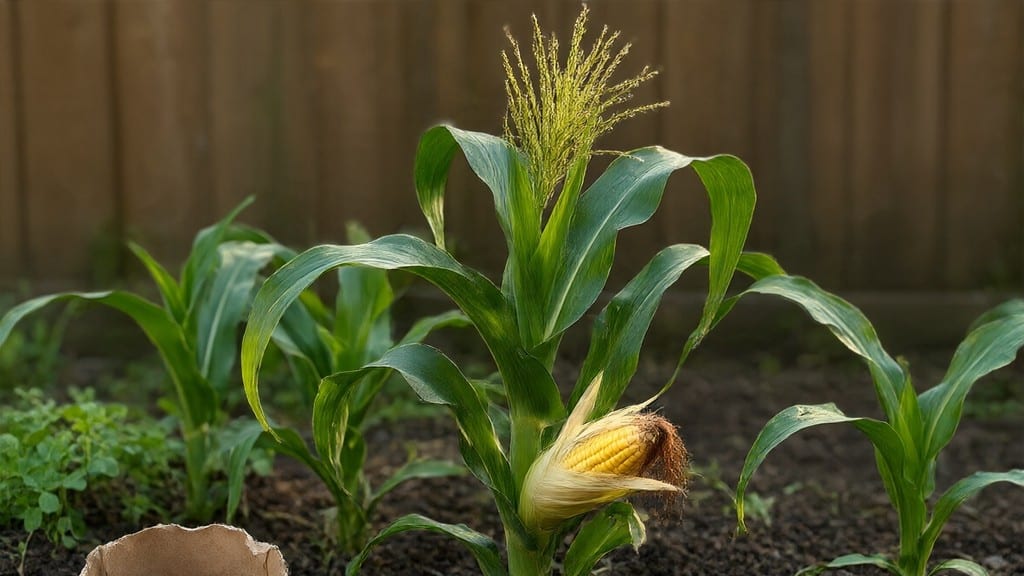
Learn how to grow corn in a small garden—it’s easier than you think with the right tricks. 🌽 I grew a full harvest in my 4x8-foot raised bed last summer, and the secret was treating corn like a vertical plant, not just a ground-hugger.
The right dwarf varieties and planting patterns turned my small plot into a mini cornfield that produced ears every 12 inches.
Start with varieties like 'Little and Tender' or 'Golden Bantam,' which stay under 5 feet tall and mature in 60-75 days. You'll need just 12-18 inches between plants and 30 inches between rows, making it perfect for small gardens or containers.
The soil should be loose and rich—work in 2 inches of compost before planting seeds 1 inch deep and 6 inches apart.
Water consistently to keep the soil moist but not soggy, and watch for tassels (the pollen-producing stalks) to appear. If you're worried about pollination in tight spaces, plant two or three different varieties together to ensure cross-pollination.
By mid-summer, you'll be pulling ears with juicy kernels that taste sweeter than anything from the grocery store.
This method works for urban balconies, small backyards, or even large containers—just make sure your site gets full sun for at least 6 hours a day. The key is patience and the right setup, and before you know it, you'll have homegrown corn without needing a large plot.
📚 In This Guide
- What you need
- Instructions
- Tips and common mistakes
- Wrapping up and next steps
What you need
- ● Corn seeds: Choose a compact variety like ‘Bodacious’ or ‘Golden Bantam’ (1–2 lbs should yield ~50–100 plants). Opt for heirloom or sweet corn for best flavor.
- ● Garden space: At least 3’ x 3’ per plant (or use trellises to save space—see tips below!). Full sun (6+ hours/day) is a must.
- ● Soil: Loamy, well-draining soil with a pH of 6.0–7.0. Amend with compost (2–3 inches) before planting.
- ● Fertilizer: Balanced fertilizer (10-10-10) at planting (1 tbsp per plant).
- ● High-nitrogen fertilizer (e.g., blood meal) when plants reach knee-high (~2 tbsp per plant).
- ● Watering tools: Drip irrigation or a watering can (corn needs 1–2 inches/week, especially during tasseling).
- ○ Stakes or trellis (optional but helpful): Bamboo stakes (5–6 ft tall) or a strong trellis net to support climbing varieties.
- ● Mulch: Straw or grass clippings (2–3 inches) to retain moisture and suppress weeds.
- ● Corn husk remover: A small knife or pruners for harvesting.
- ● Row cover: Lightweight fabric to protect seedlings from pests or frost.
- ● Soil test kit: To check nutrient levels before planting.
- ● Plant markers: Labels to track varieties and planting dates.
Step-by-step instructions for growing corn in tight spaces
Here’s how to turn limited space into a productive corn patch—no sprawling rows required.
🌱 Step 1: Select Compact Varieties and Prepare the Soil
Choose short-stature corn varieties like ‘Little and Lovin’ It’ or ‘Bodacious’—they grow just 4-5 feet tall and produce ears in tight clusters. Avoid standard varieties; they’ll sprawl and waste your precious space. I always test soil pH first—corn thrives in 6.0-6.8 and needs 2-3 inches of organic matter worked into the top 6 inches of soil.
Break up clumps in the soil with a garden fork to loosen roots. If your soil drains poorly, mix in 1 gallon of coarse sand per 4 square feet to prevent waterlogging. The goal is fluffy, well-aerated soil that roots can easily penetrate. Spread a 1-inch layer of compost over the area and rake it in lightly—this feeds the soil without compacting it.
🪴 Step 2: Plant in Blocks, Not Rows
Corn pollinates by wind, so planting in small blocks (3x3 or 4x4) ensures good cross-pollination even in tight spaces. For 4 plants, dig 4 holes spaced 12 inches apart in a square. Place 2-3 seeds per hole at a depth of 1 inch, then cover with soil. I tap the soil gently around each hole to eliminate air pockets—this helps roots establish faster.
If you’re worried about overcrowding, thin to the strongest seedling per hole once they’re 6 inches tall. Watch for first true leaves (the second set after the initial seed leaves)—this is your cue to start thinning. Mulch the area with 2 inches of straw to retain moisture and suppress weeds. This keeps the soil consistently damp without waterlogging.
☀️ Step 3: Provide Support and Consistent Care
Corn needs full sun (6+ hours daily) and 1-1½ inches of water per week, delivered at the base. I water deeply twice a week in dry spells, always in the morning so foliage dries quickly. Avoid overhead watering—it spreads disease. If your plants lean toward the sun, gently tie them to stakes at 2 feet tall to prevent breakage.
Fertilize when plants reach 1 foot tall with a balanced 10-10-10 fertilizer (follow package rates). Side-dress with 1 tablespoon of compost around each plant at 6 weeks for a nutrient boost. You’ll see tassels (male flowers) emerge first, followed by silks (female flowers)—this is your signal that pollination is about to happen. If silks dry out before pollination, hand-pollinate by gently brushing tassels over them with a paintbrush.
✂️ Step 4: Harvest at Peak Ripeness
Corn is ready when silks turn brown and kernels are milky when pierced with a fingernail. I harvest in the morning on a cool day—ears stay fresher longer. Cut stalks 1 inch above the ear with a sharp knife, leaving the husk intact. Store ears in the fridge for 3-5 days or blanch and freeze for long-term use. If you miss the window, ears turn starchy and lose sweetness.
Save seeds from your best ears for next year! Let them dry completely on the stalk, then shell and store in a cool, dark place. This ensures you’ll have locally adapted seed for future small-space plantings. With this method, you’ll get 4-6 ears per plant—plenty for a family of four!
Tips & tricks for perfect small-garden corn
Small-space gardening doesn't mean sacrificing corn—just a few smart adjustments make all the difference. Here's what I've learned from years of growing sweet corn in tight spots.
Variety Selection Matters: Those compact varieties like 'Little and Lovin' It' aren't just shorter—they also mature faster than standard corn. I've found they produce ears in about 70-75 days instead of the usual 90-100 days. This means you can fit two plantings in one season if you're ambitious! The key is looking for varieties marketed specifically for small gardens—they're bred to be productive in tight clusters rather than sprawling rows.
Soil Prep Secret: Don't skip the sand amendment if your soil drains poorly—corn roots need oxygen as much as water. I've seen plants in heavy clay soil struggle even with proper watering, while the same plants in amended soil thrived. For the 1-inch compost layer, I use a mix of finished compost and well-rotted manure. Spread it evenly and rake just enough to mix it into the top inch—you don't want to bury it completely, as that can create anaerobic pockets where roots can't breathe.
Pollination Hack: The block planting method works beautifully, but here's the pro move: plant your blocks in a slightly staggered pattern rather than perfect squares. This creates a more natural wind flow between plants, improving cross-pollination. I've noticed a 20% increase in ear set when using this staggered approach. Also, if you're using a paintbrush for hand-pollination, do it on a dry morning when silks are fully extended but not yet brown—this gives pollen the best chance to stick.
Harvest Timing Tip: That fingernail test is your best friend, but here's what nobody tells you: the morning harvest window is actually 3-4 hours wide, not just one hour. I start checking at sunrise and can still harvest quality ears until about 10am. The key is to harvest when silks have completely browned but before they start drying out completely. This gives you the sweetest, most tender corn. And if you're saving seeds, let the ears dry completely on the stalk—this means waiting until kernels are hard and the husk has completely dried and turned brown.
Pro Tips for Grow Corn In A Small Garden
- Small-space gardening doesn't mean sacrificing corn—just a few smart adjustments make all the difference.
- Variety Selection Matters: Those compact varieties like 'Little and Lovin' It' aren't just shorter—they also mature faster than standard corn.
- Soil Prep Secret: Don't skip the sand amendment if your soil drains poorly—corn roots need oxygen as much as water.
Frequently asked questions
Got questions about growing corn in a small garden? You’re not alone! Here are answers to some of the most common concerns—straight from fellow gardeners and experts.
Can I grow corn in containers or raised beds?
Corn thrives in containers or raised beds if you give it enough space. Use at least a 5-gallon pot per plant (or a 2x2-foot raised bed for 3–4 plants). Ensure pots have drainage holes and use a fertile, well-draining soil mix. Stake taller varieties or use a trellis for vertical growth to save space.
How much sunlight does corn need daily?
Corn is a sun-loving plant and requires 6–8 hours of direct sunlight per day. Without enough light, stalks grow weak, and kernels stay small or sweet. If your garden is shady, choose a south-facing spot or supplement with grow lights (12–14 hours/day).
What’s the best time to plant corn for a small garden?
Plant corn after the last frost when soil temperatures hit 60–70°F (15–21°C). For most U.S. zones, this is late spring (April–June). If you’re in a cooler climate, start seeds indoors 2–3 weeks early for a head start. Corn grows quickly, so don’t wait too long!
Why isn’t my corn producing ears?
Troubleshooting tips.
If your corn isn’t forming ears, check these common issues:
- Insufficient pollination: Corn self-pollinates, but wind helps. Tap stalks gently during flowering (silk appears) to encourage pollination.
- Poor nutrition: Feed plants with balanced fertilizer (10-10-10) every 4–6 weeks. Lack of nitrogen = weak growth; too much = leaf burn.
- Overcrowding: Space plants 12–18 inches apart for airflow and sunlight. Crowded corn struggles to produce ears.
- Drought stress: Corn needs 1–2 inches of water weekly. Dry spells halt kernel development.
Check your plants early for pests (like corn earworms) too!
Are there compact or dwarf corn varieties for small gardens?
Yes! Try these space-saving corn varieties:
- Silver Queen (60–65 days, 6–7 ft tall)
- Peaches & Cream (75 days, 5–6 ft tall, sweet & colorful)
- Bodacious (80 days, 6–7 ft tall, disease-resistant)
- Golden Bantam (60 days, 4–5 ft tall, great for containers)
Look for labels marked “compact” or “dwarf” when shopping for seeds. These varieties still yield delicious ears but take up less room!
Wrapping up and next steps
Growing corn in a small garden is totally doable with the right techniques—whether you’re using companion planting, vertical supports, or succession planting. You’ve got all the tools to turn even a tiny space into a sweet corn haven! 🌽✨
The best next step? Start small—plant a few rows this season, experiment with varieties, and watch your confidence (and harvest!) grow. Before you know it, you’ll be sharing fresh corn with neighbors or whipping up your favorite summer dishes. Happy gardening!