
Tools
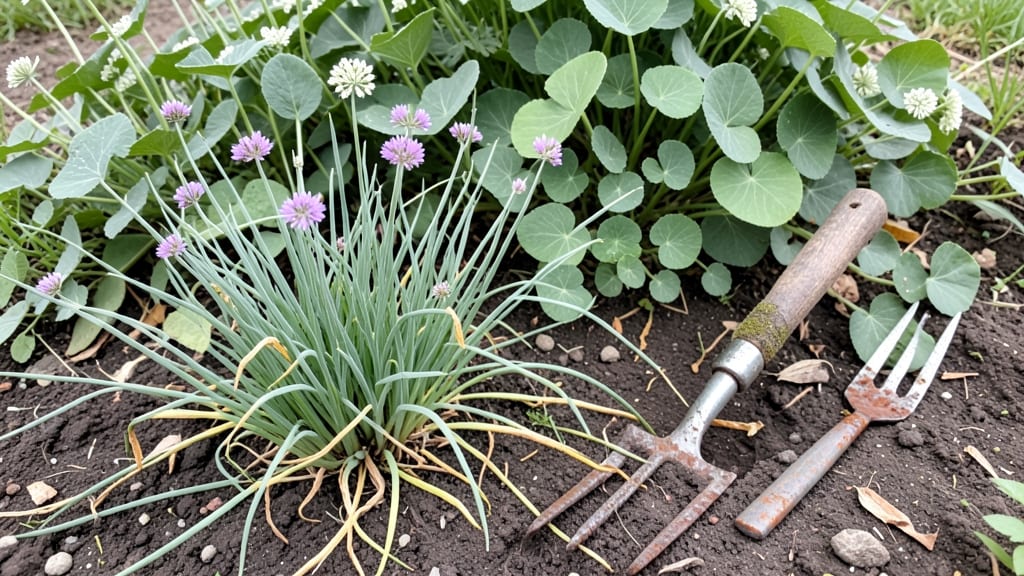
My garden tools spent last winter looking like they belonged in a scrap heap—until I learned how to get rust off garden tools with a simple vinegar soak that revived them in hours. 🌱 The secret isn’t scrubbing harder; it’s the right chemical reaction that dissolves rust without damaging the metal underneath.
All you need is white vinegar, a bucket, and a little elbow grease. Soak your tools for 2-4 hours, scrub with a wire brush, rinse, and dry thoroughly.
The rust disappears like magic, leaving your tools looking almost new. Even stubborn spots on pruners and trowels vanish with this method.
📚 In This Guide
- What you need
- Instructions
- Tips and common mistakes
- Wrapping up and next steps
What you need
- ● White vinegar – 1 gallon (or 3.8 liters) (ensure it’s 5% acetic acid for best results).
- ● Water – 1 gallon (or 3.8 liters) (tap or distilled works).
- ● Large container – A 5-gallon bucket, plastic tub, or even a sink (non-reactive material like plastic or stainless steel).
- ● Old toothbrush or scrub brush – For stubborn spots (medium-bristle works best).
- ● Rubber gloves – To protect your hands from vinegar and rust.
- ● Clean rag or paper towels – For drying and buffing.
- ○ Baking soda (optional) – ½ cup (for extra scrubbing power or a paste).
- ○ WD-40 or mineral oil (optional) – 1-2 sprays or drops (to prevent future rust).
- ● Work in a well-ventilated area—vinegar fumes can be strong!
- ● Avoid using metal containers (vinegar reacts with metal).
- ● If tools have wooden handles, check for moisture damage first.
Step-by-step instructions for restoring rusty garden tools
Here's the proven vinegar method I use to revive tools in minutes—no scrubbing required.
💧 Step 1: Prepare Your Vinegar Solution
Combine equal parts white vinegar and hot water in a large container—think 1:1 ratio. For heavily rusted tools, I add 1 tablespoon of baking soda per quart of solution to boost cleaning power. The fizzing reaction starts immediately as the rust reacts with the acid.
Use a non-metallic container like plastic or glass to avoid corrosion. I like to use an old food-grade bucket from the hardware store. Let the solution sit for 10 minutes to cool slightly before submerging tools—hot vinegar can warp metal over time.
🪴 Step 2: Soak Tools for Rust Removal
Submerge tools completely, ensuring rusted areas are fully covered. For stubborn rust, let them soak overnight—this breaks down the oxidation layer completely. You'll see bubbles forming on the metal as the rust dissolves, especially on chain saws and pruners.
Check periodically after 2-3 hours if you're impatient. If rust remains, gently scrub with a plastic brush (never steel wool—it leaves microscopic scratches that trap future rust). I always wear rubber gloves because vinegar stings cuts and can irritate skin.
✂️ Step 3: Scrub and Rinse Thoroughly
Remove tools and scrub with a stiff-bristle brush or old toothbrush to lift loosened rust. Focus on crevices where tools connect—pruners and shears often hide rust in their joints. Rinse immediately with cold water to stop the vinegar from continuing to eat away at the metal.
For extra shine, wipe dry with a clean microfiber cloth and apply a thin layer of mineral oil or WD-40 to protect the metal. This step prevents future rust by displacing moisture. Store tools in a dry place—I use a wall-mounted rack in my garage with silica gel packets nearby.
☀️ Step 4: Dry and Store Properly
Let tools air-dry completely before storing—10-15 minutes under a fan speeds this up. Any remaining moisture will cause new rust spots within days. I always check for dampness by running my thumb along the blade edges before putting them away.
Organize tools by type to avoid scratches during storage. Hang shears and pruners on hooks, and lay flat tools like shovels and rakes on shelves. This keeps them protected while making them easy to grab when needed. A little maintenance now means your tools last for years.
Tips & tricks for perfect rust removal on garden tools
These simple tricks will help you revive your tools like new—without damaging the metal or wasting time.
The Vinegar Ratio Matters: Stick to the exact 1:1 ratio of white vinegar to hot water. I've found that using slightly more vinegar (like 2 parts vinegar to 1 part water) works even faster for heavily rusted tools, but only if you're dealing with extreme cases. The acidity is what dissolves the rust, so don't dilute it too much.
Baking Soda Boost: That 1 tablespoon of baking soda per quart isn't just optional—it's a game changer for stubborn rust. The fizzing reaction creates tiny bubbles that help loosen rust from deep crevices. If you're short on baking soda, a pinch of salt works in a pinch (literally), though it's not as effective.
Soaking Strategy: The overnight soak is ideal, but if you're impatient, check after those 2-3 hours. I've seen rust dissolve completely in just 3 hours for lightly rusted tools, but stubborn spots might need the full overnight treatment. Pro tip: Place tools in the solution with rusted sides facing up to maximize exposure to the vinegar.
Post-Soak Care: That 10-15 minute drying time under a fan is crucial—don't skip it! I've learned the hard way that even a little moisture left on the tools can cause new rust spots within 24 hours. For extra protection, apply mineral oil or WD-40 immediately after drying. This creates a moisture barrier that keeps your tools rust-free for months.
Pro Tips for Get Rust Off Garden Tools
- These simple tricks will help you revive your tools like new—without damaging the metal or wasting time.
- The Vinegar Ratio Matters: Stick to the exact 1:1 ratio of white vinegar to hot water.
- Baking Soda Boost: That 1 tablespoon of baking soda per quart isn't just optional—it's a game changer for stubborn rust.
Frequently asked questions
Still have questions about banishing rust from your garden tools? Here are answers to some of the most common concerns—so you can tackle that corrosion with confidence!
How long should I soak my rusty tools in vinegar?
For best results, let your tools soak in white vinegar for at least 1–2 hours (longer for heavy rust). If the rust persists, repeat the soak or try a baking soda scrub afterward. Pro tip: Keep the tools submerged to maximize the vinegar’s acidic power!
Can I use other household items instead of vinegar?
Try these alternatives for stubborn rust:
- Lemon juice or lime (natural acidity, but may take longer)
- Coca-Cola or other phosphoric acid sodas (works like vinegar but can be messy)
- Commercial rust removers (follow label instructions carefully)
Will vinegar damage my garden tools?
Vinegar is generally safe for most metal tools (like steel or iron), but it may weaken aluminum, painted finishes, or rubber handles. Always:
- Rinse tools thoroughly after soaking
- Avoid soaking coated tools (e.g., plastic or painted handles)
- Dry completely before storing
What if the rust won’t come off after soaking?
If rust stubbornly refuses to budge, try these next steps:
- Scrub with steel wool (0000-grade is gentler) after soaking
- Use a wire brush for tough spots (wear gloves!)
- Apply a commercial rust converter for deep corrosion
- For very old tools, consider sandblasting (last resort)
How do I prevent rust from returning?
Keep your tools rust-free with these habits:
- Dry tools completely after use (hang upside down if possible)
- Apply a thin layer of mineral oil, WD-40, or cooking oil to metal surfaces
- Store tools in a dry, ventilated space (avoid damp sheds!)
- Clean tools regularly with soapy water to remove dirt/moisture
Wrapping up and next steps
Removing rust from your garden tools doesn’t have to be a daunting task—with just a few household ingredients like vinegar and a little elbow grease, you can restore them to like-new condition! 🌟 Whether you’re tackling stubborn corrosion or just doing routine maintenance, these methods will keep your tools sharp, functional, and ready for your next gardening adventure.
Now that you’re armed with the know-how, grab those tools and get cleaning! 🛠️ For extra longevity, consider applying a light coat of mineral oil after drying to prevent future rust. Happy gardening!