
Tools
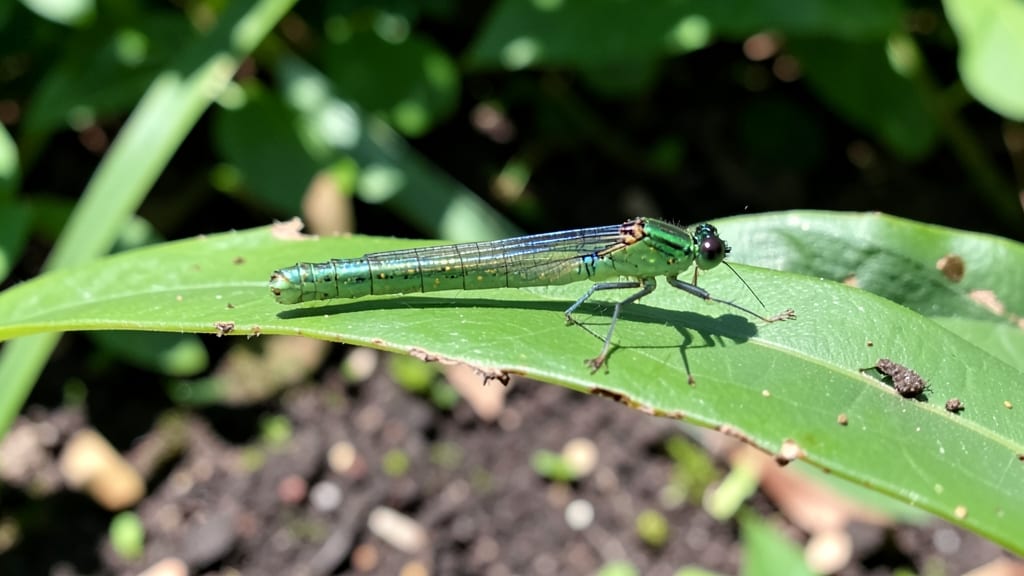
Identifying bugs in your garden—especially with helpful garden bugs images—helps you decide whether to protect your roses (like those pesky aphids) or just admire nature’s balance. 🌿 This guide shows you exactly what each common garden bug looks like, whether it’s munching your plants or keeping pests in check.
Japanese beetles) or protecting them (ladybugs, lacewings). No more guessing whether that tiny speck is friend or foe.
I’ve spent years watching these tiny creatures up close, and the differences are often subtle—like the tiny white eggs under leaves versus the striped larvae that chew them. A quick visual check tells you if you need to act or just admire the garden’s natural balance.
Most pests only need intervention when they’re in swarms, not when they’re solitary.
You’ll learn to recognize the good guys (like predatory wasps) from the bad (like cabbage worms) in seconds. Once you spot the damage patterns—skeletons of leaves, sticky residue, or chewed stems—you’ll know exactly what to do next.
No more wasted time on ineffective sprays or missed opportunities to encourage helpful bugs.
This isn’t just about identification—it’s about making smart decisions. A few bugs here and there? Let them be. An infestation? Now’s the time for targeted solutions. The key is acting before the problem spirals, and this guide gives you the visual clues you need to stay ahead.
What Lures Garden Pests
Garden pests aren’t just random visitors—they’re drawn to your yard for specific reasons tied to environment, food, and shelter. Understanding these triggers helps you take targeted action to reduce unwanted critters. Here’s why your garden becomes a buffet for bugs and how to address it.
Bugs like aphids, slugs, and even beetles are attracted to easy meals. Overripe fruit, fallen leaves, and rotting vegetables release sugars and organic compounds that signal "free food." These scents can carry for yards, luring pests from far away.
Why it happens:
- Sugar signals: Fermenting fruit emits ethanol and acetic acid, mimicking the scent of ripe fruit in nature—an irresistible cue for fruit flies, wasps, and beetles.
- Moisture magnet: Decaying matter holds water, creating the perfect humid microclimate for slugs, snails, and fungus gnats to thrive.
- Nutrient-rich decay: Decomposing plants release ammonia and other nitrogen compounds, attracting soil-dwelling pests like cutworms and wireworms.
Actionable fix: Remove fallen fruit, trim dead foliage, and compost properly (hot composting kills pest eggs). Mulch with straw instead of leaves to reduce slug hideouts.
Many garden pests need water to survive. Standing water isn’t just for mosquitoes—it also attracts fungus gnats, slugs, and even some beetles. Even "dry" pests like earwigs seek out damp soil to lay eggs.
Why it happens:
- Breeding grounds: Stagnant water becomes a nursery for mosquito larvae and fungus gnat pupae, which emerge as adults to feast on your plants.
- Moisture-loving species: Slugs and pill bugs require high humidity to prevent desiccation. A garden with poor drainage or overwatered beds becomes their paradise.
- Soil chemistry: Wet soil releases sulfur compounds, which some pests (like cabbage worms) detect as a sign of healthy, nutrient-rich growing conditions.
Actionable fix:
- Install rain barrels with tight lids or use mosquito dunks (Bti bacteria) in ponds.
- Improve drainage with gravel or raised beds, and water deeply but infrequently to dry soil faster.
- Add diatomaceous earth around plant bases to deter slugs without harming beneficial insects.
Thick, untrimmed plants create the perfect hiding spot for pests like spider mites, whiteflies, and thrips. Without airflow, plants sweat (transpire) more, leaving sticky honeydew—an all-you-can-eat buffet for ants and sooty mold.
Why it happens:
- Microclimate control: Dense foliage traps heat and humidity, creating ideal conditions for pests that thrive in warm, moist environments (e.g., aphids, mites).
- Honeydew production: Sap-sucking insects like aphids excrete honeydew, a sugary waste product that attracts ants, wasps, and even fungal growth.
- Predator avoidance: Busy gardens with poor visibility give pests like earwigs and cutworms cover to hunt at night while avoiding birds and spiders.
Actionable fix:
- Prune plants to improve airflow—aim for a 30% open canopy in shrubs and a 12-inch gap between rows of veggies.
- Use reflective mulch (like aluminum foil) to deter whiteflies and thrips.
- Introduce ladybugs or lacewings (natural predators) to control aphid populations before they explode.
While synthetic fertilizers boost growth, they can also disrupt the natural balance of your garden’s ecosystem. Over time, they leave residues that attract pests like vine weevils, which are drawn to nitrogen-rich soils.
Why it happens:
- Nitrogen overload: High-nitrogen fertilizers create soft, tender new growth that’s a magnet for chewing insects like cabbage loopers and flea beetles.
- Soil imbalance: Synthetic chemicals can kill beneficial microbes and fungi, reducing natural pest predators (e.g., nematodes, ground beetles).
- Pest-resistant breakdown: Some pests, like whiteflies, develop resistance to chemical sprays over time, making them bolder in treated gardens.
Actionable fix:
- Switch to organic compost or worm castings for slow-release nutrients without chemical buildup.
- Use neem oil or insecticidal soap as a preventative spray (they’re less harmful to beneficial insects).
- Plant companion plants like marigolds or basil to repel pests naturally.
Artificial lights and nighttime disturbances can turn your garden into a pest hotspot. Moths, beetles, and even some spiders are attracted to lights, while noisy areas (like lawnmowers) can scare away natural predators like birds and bats.
Why it happens:
- Light attraction: Bugs use light for navigation (a phenomenon called positive phototaxis). Moths, for example, spiral around porch lights because they mistake them for the moon.
- Predator displacement: Frequent noise (e.g., loud music, machinery) can drive away bats, which eat up to 1,000 mosquitoes per hour.
- Disrupted mating cycles: Some pests, like Japanese beetles, use light cues to find mates—overhead lighting can accelerate their population growth.
Actionable fix:
- Use yellow or red bug lights (less attractive to insects) or motion-activated lights on timers.
- Create a bat-friendly zone with a small pond and roosting spots (like a bat house).
- Avoid late-night gardening near lights—pests are more active after dark.
Practical ways to manage garden pests
Dealing with unwanted critters in your garden doesn’t have to be a battle—just a strategic cleanup! Whether you’re facing chewed leaves, tunneling grubs, or pesky aphids, these targeted solutions will help you reclaim your green space without harsh chemicals.
Below, we’ve mapped common garden pest problems to easy, effective fixes, plus prevention tips to keep your yard thriving long-term.
Cause: These bugs munch on leaves, stems, or roots, leaving behind ragged edges or hollowed-out plants. Fix:
- 🔥 Handpick & Dispose – Early morning is prime time! Shake plants over a bucket of soapy water to drown them.
- 🍳 Neem Oil Spray – Mix 1 tbsp neem oil + 1 tsp mild soap in 1 quart of water. Spray foliage (avoid flowering plants to protect pollinators).
- 👨🍳 DIY Collars – For grubs: Bury a cardboard collar around young plants to block beetles from laying eggs.
💡 Prevention Tip: Interplant with basil, marigolds, or nasturtiums—these repel chewing pests naturally!
Cause: Tiny but mighty, these pests drain plant sap, causing yellowing leaves, sticky residue ("honeydew"), or webbing. Fix:
- 🥘 Blast with Water – A strong stream from the hose dislodges clusters (do this in the morning for best results).
- 🔪 Introduce Beneficial Insects – Ladybugs and lacewings love eating aphids. Buy them online or attract them with dill or fennel.
- 🌡️ Insecticidal Soap – Spray directly on pests (test on a small leaf first). Reapply every 5–7 days.
✨ Pro Tip: Honeydew buildup? Wipe leaves with a damp cloth to prevent sooty mold—a fungal side effect of sticky residue.
Cause: Soft-bodied slugs and fungi thrive in damp, shaded areas, leaving slimy trails or powdery spots on plants. Fix:
- 🍎 Beer Traps – Bury a shallow dish filled with beer near plants. Slugs crawl in and drown (gross but effective!).
- 🔪 Copper Barriers – Place copper tape around garden beds—slugs get a mild electric shock and avoid crossing.
- 🌡️ Fungicide Spray – For powdery mildew: Mix 1 tsp baking soda + 1 quart water + a drop of soap. Spray undersides of leaves.
🎯 Prevention Tip: Mulch wisely! Use gravel or pine straw instead of thick organic mulch to deter slugs and reduce humidity.
Cause: Ants "farm" aphids for honeydew but also disturb soil and plant roots with their tunnels. Fix:
- 🔪 Bait Stations – Use borax or diatomaceous earth mixed with sugar water. Ants carry it back to the colony (safe for pets once dry).
- 🍳 Vinegar Spray – Mix 1 part vinegar to 1 part water, spray directly on trails (reapply after rain).
- 🌿 Disrupt Trails – Sprinkle cinnamon or chalk along entry points—ants avoid these textures.
💡 Prevention Tip: Keep plants healthy! Strong, vigorous plants resist aphids, reducing the ants’ food source.
⚠️ Warning: Avoid broad-spectrum pesticides like malathion—they harm bees and butterflies.
Instead: - ⏰ Time sprays for late afternoon when bees are less active. - 🌼 Choose pest-specific solutions (e.g., neem oil targets soft-bodied bugs but spares bees). - 🌿 Plant a "bug hotel" with lavender, sunflowers, or clover to support beneficial insects.
Final Reminder: Most garden pests are opportunists—they target stressed or overcrowded plants. Rotate crops, space plants properly, and monitor regularly to catch issues early. With these fixes, your garden will stay lush and pest-free! 🌱🚫🐛
Frequently asked questions
How can I tell if a garden bug is helpful or harmful just by looking?
Look for key features: helpful bugs like ladybugs and lacewings have delicate wings and eat pests, while harmful ones (like aphids or Japanese beetles) often cluster on leaves or chew plant tissue. Use our visual guide to compare body shapes—round vs. elongated—and wing patterns (striped vs. spotted). Most beneficial insects are small, fast-moving, and rarely leave visible damage.
Can I use these images to identify bugs in my area?
Yes! These images show common garden bugs found across North America, but regional variations exist. For precise ID, check your local extension office’s pest database or use apps like iNaturalist to compare with verified sightings. If you spot something unusual, include photos of damage patterns—this helps experts narrow it down faster.
What’s the best time of day to look for garden bugs?
Early morning (before 9 AM) is ideal—bugs are sluggish from cool temps, making them easier to spot. For nocturnal pests (like slugs or cutworms), check after sunset with a flashlight. Avoid midday heat, which causes many bugs to hide in soil or under leaves.
How do I know if a bug is causing real damage or just browsing?
Look for visible signs: chewed leaves, sticky honeydew (aphids), or wilting plants. A few small holes? Likely just browsing. Large clusters or skeletonized leaves? Act fast. Most pests only become problematic when they’re in swarms—single bugs are usually harmless and part of nature’s balance.
Where can I find high-quality images of garden bugs for my own reference?
Try these free resources: University extension websites (like University of Maine’s IPM guide), BugGuide.net, or USDA’s insect image library. For labeled diagrams, check gardening blogs or YouTube channels that specialize in pest ID—many include close-up shots with damage examples.