
Size
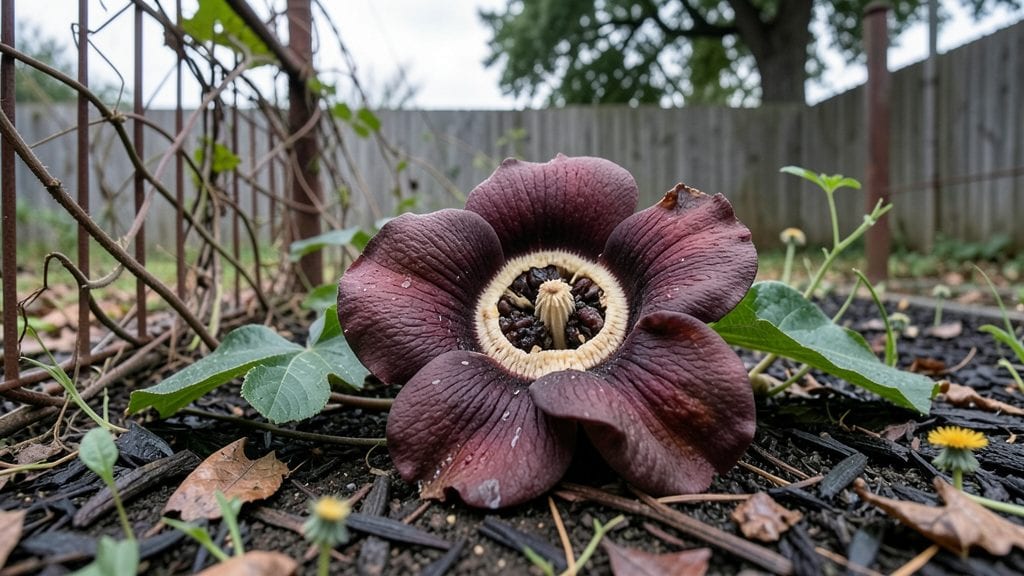
Growing a Rafflesia arnoldii at home is the ultimate gardening fantasy—until you realize this stinking corpse lily demands a jungle’s worth of patience and precision. 🌿 I’ve chased this rare bloom for years, and the truth?
Most gardeners should admire it in books, not try to grow it. But if you’re determined, here’s the brutal reality of what it takes.
The plant itself doesn’t even have leaves or roots—it’s a parasitic vine clinging to a host tree in Southeast Asia’s humid rainforests. You’d need a glass greenhouse with 80-90% humidity, 75-95°F temperatures year-round, and a host plant like Tetrastigma vine to support it.
Forget backyard gardening—this is a botanical garden-level project, not a weekend experiment.
Even then, success isn’t guaranteed. The first bloom might take 5-10 years, and when it finally appears, it’ll stink like rotting meat to attract flies. The ethical weight hits hard too—wild Rafflesia populations are endangered, and sourcing seeds legally is nearly impossible.
Still, if you’re chasing the rarest bloom on Earth, here’s how to attempt it.
Fair warning: This isn’t a plant for beginners. But if you’ve got the climate-controlled space, the time, and the stomach for the stench, the journey to that 3-foot-wide, blood-red bloom might just be worth it. Let’s break down what’s actually possible—and what’s pure myth.
📚 In This Guide
- What you need
- Instructions
- Tips and common mistakes
- Wrapping up and next steps
What you need
- ● Rafflesia seeds or rhizomes: Hard to find! Source from a reputable tropical plant supplier (e.g., Kew Gardens or specialty growers). 1-2 rhizomes (or 5-10 seeds) are ideal for beginners.
- ● Large, deep container: 10+ gallons (minimum 18" diameter) with drainage holes. Terracotta or fabric pots work best.
- ● Well-draining soil mix: 70% coconut coir + 20% perlite + 10% orchid bark. Avoid garden soil—it’s too dense!
- ● Humidity dome or plastic wrap: To maintain 80-90% humidity during germination.
- ● Misting bottle: For daily hydration (aim for consistent moisture, not soggy soil).
- ○ Heating mat (optional but helpful): 75-85°F range to mimic tropical forest floors.
- ● Grow lights or shaded outdoor spot: Indirect, bright light (60-70% shade cloth if outdoors). No direct sun!
- ● Patience (and a sense of adventure!): Rafflesia can take 3-5 years to bloom.
- ● Tropical climate or controlled environment: Rafflesia hates cold—never below 60°F!
- ● Space: Mature plants need 6+ feet of vertical support (they’re vines!).
- ● Host plant: Rafflesia parasitizes Tetrastigma vine (a type of grapevine). Plant 1-2 vines per container to support the Rafflesia.
- ● Legal check: Some Rafflesia species are protected. Verify local regulations before sourcing.
Step-by-Step guide to cultivating Rafflesia in a controlled environment
Rafflesia isn’t your average houseplant—it demands jungle-level conditions. Here’s how to coax this rare beauty into blooming.
🌿 Step 1: Create a Humid, Warm Rainforest Microclimate
Rafflesia thrives in 80-90% humidity and 75-85°F temperatures—think tropical greenhouse, not living room. I use a large glass terrarium (minimum 3 feet tall) with a built-in humidifier set to 85%. Place it in a spot with indirect, bright light—no harsh sun, which scorches delicate vines.
Line the base with 2 inches of sphagnum moss, then add a 4-inch layer of well-draining orchid mix (the one with bark chunks). Keep the moss damp but not soggy—it should feel like a wrung-out sponge. A small fogging system or daily misting keeps the air perpetually misty. Without this, the plant wilts faster than a cut flower.
🪴 Step 2: Establish the Host Vine Relationship
Rafflesia doesn’t grow alone—it parasitizes Tetrastigma or Cissus vines. Plant 4-6 Tetrastigma vine cuttings (rooted in water first) into your terrarium’s soil. Let them climb a 6-foot bamboo stake or driftwood prop. The Rafflesia’s thick, fleshy buds will form on these vines after 18-24 months of patience.
Feed the host vines monthly with diluted orchid fertilizer (half-strength). You’ll know the Rafflesia is establishing when you spot small, yellowish swellings along the vine—these are the flower buds. Prune any leggy Tetrastigma growth to redirect energy into those buds. Without a healthy host, the Rafflesia won’t bloom.
☀️ Step 3: Monitor Light and Airflow for Bud Development
Once buds appear, increase light to 12 hours daily—use a full-spectrum LED grow light on a timer. Position it 18 inches above the vines. Too little light = weak buds; too much = sunburn. Watch for pale green buds—this means the light is perfect. If they turn yellow or brown, move the light farther away.
Crack the terrarium’s lid daily for 10 minutes to allow gentle airflow. Rafflesia needs minimal circulation to prevent fungal rot, but stagnant air smothers buds. You’ll see the buds plump and turn reddish as they near maturity—this phase takes 3-6 months. Never let the moss dry out, even slightly.
⏰ Step 4: Trigger Blooming with Temperature Fluctuations
To coax a bloom, lower nighttime temps to 70°F for 2 weeks while keeping days at 82°F. Use a small greenhouse fan on low to create a breeze—this mimics tropical storm patterns. The buds will darken to deep maroon as they prepare to open. Avoid touching them; Rafflesia’s skin is extremely fragile and bruises easily.
When the bud’s center softens and emits a faint, foul odor (yes, it smells like rotting meat—this attracts pollinators in the wild), it’s ready. The bloom lasts 3-7 days, so photograph it immediately. After flowering, prune the spent bloom at the base to encourage next year’s buds. Without this step, the vine weakens and may not rebloom.
💧 Step 5: Maintain Post-Bloom Health for Future Cycles
After flowering, reduce fertilizer to quarter-strength and focus on host vine health. Trim any yellowed or diseased leaves on the Tetrastigma immediately—Rafflesia is prone to root rot if the host declines. Repot the entire setup every 2 years into fresh orchid mix to replenish nutrients.
Here’s the thing—Rafflesia blooms only once every 2-5 years in cultivation. Track your plant’s growth cycles in a journal: note bud formation dates, bloom size, and environmental conditions. Adjust humidity or light slightly each year to refine the process. Patience is key; some growers wait decades for their first bloom.
Tips & tricks for perfect Rafflesia cultivation
Rafflesia isn't just a plant—it's a delicate tropical symphony that requires precision. Here are the secrets that'll help you avoid common pitfalls and coax these rare blooms into life.
Humidity Precision: That 80-90% humidity range isn't just a suggestion—it's non-negotiable. I've seen terrariums with 85% humidity fail when the moss layer dries out just slightly. Use a digital hygrometer to monitor levels, and adjust your fogging system to maintain consistency. The key is keeping that 2-inch sphagnum moss layer consistently damp like a wrung-out sponge, not bone-dry or waterlogged.
Lighting Strategy: When you increase light to 12 hours daily in Step 3, position your full-spectrum LED grow light 18 inches above the vines and use a timer for consistency. Watch for those pale green buds—they're your perfect light indicator. If you notice yellowing or browning, immediately move the light farther away. Too much light creates stress that stunts bud development, while too little results in weak, underdeveloped flowers.
Temperature Fluctuation Technique: The 2-week temperature drop to 70°F nights while maintaining 82°F days in Step 4 is what triggers blooming. I recommend using a programmable thermostat to automate this cycle. Place your thermometer near the buds to ensure accurate readings. The subtle temperature shift mimics tropical storm patterns that naturally stimulate flowering in the wild.
Host Vine Management: Those 4-6 Tetrastigma vine cuttings you plant in Step 2 need careful attention. Prune leggy growth immediately to redirect energy into bud formation. I've found that maintaining a 6:1 ratio of vine leaves to Rafflesia buds helps prevent host vine depletion. When you see those small yellowish swellings appear after 18-24 months, you're on the right track—this is when the Rafflesia begins its parasitic relationship with the host.
Pro Tips for Get Rafflesia In Grow A Garden
- Rafflesia isn't just a plant—it's a delicate tropical symphony that requires precision.
- Humidity Precision: That 80-90% humidity range isn't just a suggestion—it's non-negotiable.
- Lighting Strategy: When you increase light to 12 hours daily in Step 3, position your full-spectrum LED grow light 18 inches above the vines and use a timer for consistency.
Frequently asked questions
about growing Rafflesia in your garden—because even tropical dreams need a little troubleshooting!Can Rafflesia grow in a regular home garden?
Unfortunately, no! Rafflesia arnoldii is a parasitic plant that thrives only in Southeast Asia’s rainforests, clinging to Tetrastigma vines. Attempting to grow it in a home garden is nearly impossible—its complex lifecycle and host dependency make it impractical. Instead, admire it in botanical gardens or documentaries!
How long does it take for Rafflesia to bloom?
Patience is key! In the wild, Rafflesia takes 3–5 years to produce its iconic flower after the host vine is infected. Even in controlled environments, blooming is unpredictable—often once every few years. If you’re dreaming of a quick bloom, consider easier tropical plants like orchids or pitcher plants first!
What’s the best climate to mimic for Rafflesia?
Rafflesia demands humidity (80–100%), temperatures between 70–90°F (21–32°C), and year-round warmth. A greenhouse with a Tetrastigma vine host and consistent moisture mimics its natural habitat. Without these conditions, the plant won’t survive—let alone bloom!
Are there easier alternatives to Rafflesia?
Try these stunning tropical blooms that are much easier to grow:
- Amorphophallus titanum ("Corpse Flower") – Smells like rot but blooms occasionally.
- Rafflesia’s cousin: Rafflesia keithii – Smaller but still dramatic (if you can find seeds!).
- Pitcher plants (Nepenthes) – Carnivorous and visually striking.
- Orchids (Paphiopedilum) – Elegant, low-maintenance, and rewarding.
Why isn’t my Tetrastigma vine producing Rafflesia?
Don’t panic! Rafflesia infection is rare and unpredictable. Even with a healthy vine, blooms depend on natural fungal spores in the wild. If you’re trying to "force" it, focus on keeping the vine thriving—prune regularly, ensure high humidity, and avoid overwatering. Patience (and luck) are your best tools!
Wrapping up and next steps
Growing a Rafflesia in your garden is no small feat—it’s a patience-testing, science-loving adventure that rewards you with one of nature’s most stunning (and smelly!) blooms. 🌺✨ By mimicking its native tropical habitat—think high humidity, shade, and a symbiotic relationship with its host vine—you’re well on your way to nurturing this rare beauty.
Remember, success hinges on consistency and observation, so don’t rush the process!
Ready to take the next step? Start by documenting your progress—track humidity levels, note vine growth, and celebrate small wins like new tendrils or bud formation.
And if you’re feeling ambitious, explore local botanical gardens or online forums to connect with fellow Rafflesia enthusiasts. Your garden (and future visitors) will thank you!