
Pests
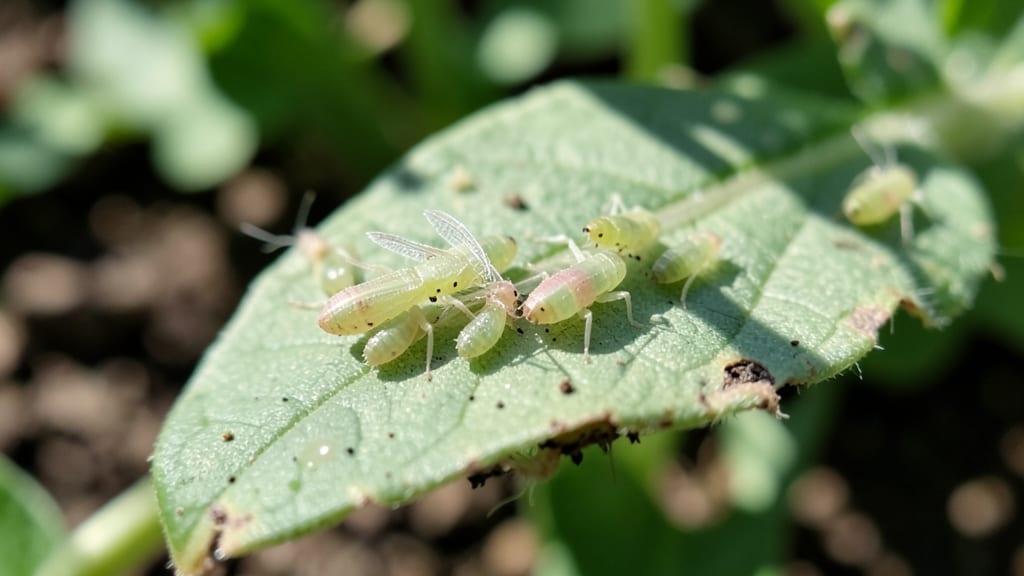
Controlling aphids in your garden starts with this neem oil spray—it works fast, stops new infestations, and won’t harm your plants if used right.
I’ve battled these tiny green invaders on roses, peppers, and basil, and this is the only remedy that clears them out within a single day without harsh chemicals. The key is timing: catch them early, and you’ll save your plants from sticky leaves and stunted growth.
Neem oil disrupts aphids’ life cycle by interfering with their feeding and reproduction. You only need 1 tablespoon of neem oil per quart of water, a drop of dish soap as an emulsifier, and a spray bottle.
Mix it up in the evening to avoid burning plants in the sun, and reapply every 3-5 days until the aphids vanish. It’s gentle enough for edible plants but tough enough to knock out even stubborn colonies.
What you’ll notice within 24 hours is aphids dropping off or crawling away—no more clusters of tiny pests sucking the life out of your flowers and veggies. The plants start looking healthier almost immediately, with new growth emerging within a week.
Plus, neem oil adds a bonus layer of protection against other soft-bodied insects like mites and whiteflies.
For long-term control, combine this spray with companion planting—marigolds and nasturtiums repel aphids naturally—and regular inspections to catch new infestations before they spread.
This method works for container gardens, raised beds, and in-ground plots, so no matter your setup, you’ll have a foolproof way to keep aphids at bay.
Root Causes Of Aphid Infestations
Aphids may seem like tiny, harmless pests, but their rapid multiplication and plant-sucking habits can turn your garden into a battleground. Understanding why they thrive is the first step to stopping them in their tracks.
These sap-sucking insects don’t just appear out of nowhere—they’re drawn by specific conditions in your garden. Let’s break down the science behind their behavior so you can target the real issues.
Aphids are like uninvited guests who flock to the most vulnerable hosts. When plants are stressed—whether from poor spacing, nutrient deficiencies, or disease—they release chemical signals called volatiles that aphids detect from miles away. These signals act like a dinner bell, luring them to feast on easily accessible sap.
🔬 Why it happens:
- Stress signals: Damaged or overcrowded plants emit higher levels of β-caryophyllene, a compound aphids find irresistible.
- Soft, tender growth: Young, succulent leaves (common in fast-growing plants like roses or basil) are aphid favorites because their thin cell walls make sap extraction easier.
- Nutrient imbalance: Plants low in nitrogen or phosphorus produce weaker cell walls, making them more appealing targets.
💡 Pro Tip: Prune plants regularly to improve airflow and reduce stress. Space them properly (follow seed packet guidelines) to minimize competition for resources.
Aphids are cold-blooded, meaning their activity levels skyrocket in warm, humid climates. They also prefer sheltered spots where predators (like ladybugs or lacewings) can’t reach them. If your garden is a cozy, shaded haven, you’ve essentially built an aphid resort.
🔬 Why it happens:
- Temperature sweet spot: Aphids thrive between 50–85°F (10–30°C). Above 90°F (32°C), they slow down, but below 50°F (10°C), they go dormant—though their eggs can survive winter.
- Humidity and moisture: High humidity slows down natural predators (like parasitic wasps) while keeping aphids hydrated and active.
- Sheltered microclimates: Dense foliage, under leaves, or near mulch creates protected zones where aphids cluster to avoid desiccation and predators.
🌡️ Pro Tip: Encourage airflow with strategic pruning and avoid overwatering. If your garden stays too damp, consider drip irrigation (which keeps leaves dry) or reflective mulch to deter pests.
Aphids don’t just damage plants—they create a sticky mess called honeydew, a sugary waste product that attracts even more problems. This sticky residue can:
- ✅ Feed sooty mold fungi (which blacken leaves and block sunlight).
- ✅ Attract ants (who "farm" aphids for honeydew).
- ✅ Weaken plants further by clogging pores and promoting disease.
🔬 Why it happens:
- Honeydew chemistry: Aphids excrete excess sugars from plant sap, creating a sticky trap that other pests can’t resist.
- Ant-aphid mutualism: Ants protect aphids from predators in exchange for honeydew, creating a vicious cycle where infestations spiral out of control.
- Fungal growth: Sooty mold spores thrive on honeydew, forming a black, crusty layer that suffocates plants.
🎯 Pro Tip: If you spot ants on your plants, treat them first—they’re often the reason aphid colonies persist. Use borax bait stations or diatomaceous earth to disrupt their "aphid farms."
Not all plants are equal in the aphid buffet. Some, like roses, beans, and brassicas (cabbage family), are aphid magnets due to their natural chemistry. Even beneficial plants (like dill or fennel) can attract aphids, which then spread to your prized vegetables.
🔬 Why it happens:
- Host plant preferences: Aphids specialize in specific plant families. For example, Myzus persicae (peach aphid) loves peppers, while Aphis gossypii (melon aphid) targets cucurbits.
- Volatile organic compounds (VOCs): Some plants emit aphid-attracting scents, like linalool in basil, which aphids use to locate food sources.
- New growth cues: Aphids are drawn to new shoots and flowers because these areas have the highest sap concentration.
💡 Pro Tip: Interplant with aphid-repelling herbs like mint, thyme, or marigolds. These disrupt aphid communication and mask the scent of their favorite hosts.
Now that you know why aphids invade, you can tackle the root causes—whether it’s plant stress, environmental factors, or pest partnerships. The next step? Turning the tide with targeted control methods.
Tactical Fixes for Aphid Overload
Now that you know why aphids are crashing your garden party, let’s roll up our sleeves and tackle them head-on! The good news? You don’t need a PhD in entomology to win this battle.
Whether your plants are covered in sticky honeydew or aphids are multiplying faster than weeds in a spring rain, these practical, step-by-step solutions will help you reclaim your garden—fast.
Before you blast aphids with everything in your arsenal, contain the chaos. Aphids spread like wildfire, so act swiftly: - Quarantine affected plants by moving them to a shaded, isolated area (like a garage or shed) if possible.
This stops the infestation from jumping to healthy plants. - Check stems, undersides of leaves, and new growth—aphids love hiding in cozy nooks.
Use a hand lens (or a magnifying glass) if you’re squinting like a detective. - Look for signs of secondary damage: Yellowing leaves, curled foliage, or sooty mold (a black fungal growth caused by aphid honeydew) mean the problem is worse than it seems.
> 💡 Pro Tip: If you spot aphids on one plant, inspect its neighbors. Aphids often hitchhike on ants, wind, or garden tools—so check nearby plants too!
Aphids are soft-bodied and hate getting wet. A strong stream of water is your first line of defense—especially for small infestations. - Grab a hose with a nozzle and spray infested areas for 10–15 seconds on each side of the leaves.
The force will knock them off. - Do this in the morning so plants have time to dry out (aphids rebound faster in damp conditions). - Repeat every 2–3 days until they’re gone.
For stubborn clusters, try soapy water (1 tsp mild dish soap per gallon of water) for extra stickiness.
> ⚠️ Warning: Avoid blasting flowers or delicate stems—you might damage them!
Instead of reaching for harsh chemicals, invite aphid’s worst enemies to your garden.
These predators are free, effective, and won’t harm your plants: | Predator | How to Attract Them | When to Expect Results | |---------------------|------------------------------------------------|---------------------------| | Ladybugs | Plant dill, fennel, or marigolds; avoid pesticides. | 1–2 weeks | | Lacewings | Leave some aphids as a "buffet"; plant cosmos or yarrow. | 3–5 days (larvae eat tons) | | Parasitic Wasps | Plant clover or alyssum; reduce broad-spectrum sprays. | 1–2 weeks | | Birds | Add a birdbath or bird feeder nearby. | Immediate (if birds are already visiting) |
> 🌡️ Hot Tip: If you’re in a hurry, buy ladybugs or lacewing larvae online and release them at dusk (they’re nocturnal and less stressed).
This is where neem oil—your secret weapon—comes into play. It’s a natural, organic pesticide that: ✅ Disrupts aphid feeding and reproduction (they stop eating within hours). ✅ Works systemically (absorbed by plants to protect new growth). ✅ Safe for most plants, pets, and beneficial insects (when used correctly).
📝 How to Make a Neem Oil Spray (DIY Recipe)
Ingredients:
- 1 tbsp cold-pressed neem oil
- 1 tsp mild liquid soap (helps it stick to leaves)
- 1 quart (32 oz) water
- 1 tsp honey or sugar (optional, to attract aphids to treated areas)
Instructions:
- Mix the soap and water in a spray bottle, then add the neem oil. Shake well (neem oil separates).
- Add honey (if using) to lure aphids to the sticky spray.
- Spray thoroughly on both sides of leaves, stems, and buds—especially where aphids hide.
- Reapply every 5–7 days or after rain (neem oil washes off).
> ✨ Bonus: For extra potency, add 1 tsp garlic or chili powder (aphids hate the smell).
⏰ Expected Results: You’ll see a noticeable reduction in 24 hours, with full control in 3–5 days if reapplied.
Now that your garden is aphid-free, keep it that way with these preventive measures:
🌱 Garden Hygiene
- Remove debris (old leaves, weeds) where aphids lay eggs.
- Prune regularly to improve airflow (aphids thrive in dense, humid spots).
- Rotate crops to disrupt aphid life cycles.
🌿 Plant Smart
- Avoid over-fertilizing with nitrogen (soft, tender plants attract aphids).
- Plant companion flowers like marigolds, nasturtiums, or garlic to repel aphids.
- Choose resistant varieties (e.g., aphid-resistant roses or pepper varieties like ‘Early Girl’).
🕵️♂️ Early Detection
- Inspect new plants before bringing them home (aphids often hide in leaf folds).
- Check for ants—they farm aphids for honeydew! Use diatomaceous earth or ant bait stations to keep them away.
| Task | When to Do It | Tools Needed |
|---|---|---|
| Water blast | Morning, every 2–3 days | Hose with nozzle |
| Neem oil spray | Dusk or early morning | Spray bottle, neem oil |
| Introduce predators | Spring & summer | Ladybugs, lacewings |
| Prune & clean up | Weekly | Pruners, gloves |
| Inspect new plants | Before planting | Magnifying glass |
Remember: Consistency is key! Aphids are persistent, but with daily checks and proactive care, you’ll keep them under control—without resorting to harsh chemicals. Your garden (and your sanity) will thank you! 🌿💚
Frequently asked questions
How do I tell if my plants have aphids?
Look for tiny green, black, or yellow insects clustered on new growth, leaf undersides, or flower buds. You’ll also spot sticky honeydew on leaves or a black sooty mold buildup. Check stems carefully—aphids hide in crevices to avoid predators.
Will neem oil harm beneficial insects like bees?
Neem oil is generally safe for bees when applied correctly. Spray in the evening when bees aren’t active, and avoid flowering plants during treatment. The oil disrupts aphids’ life cycles without killing pollinators outright.
Why do aphids keep coming back after I treat them?
New aphids often arrive via wind, ants, or hitchhiking on plants. Check for ant trails (they protect aphids for honeydew) and inspect nearby plants. Reapply neem oil every 5-7 days and use companion plants like marigolds to deter them.
Can I use dish soap alone to kill aphids?
Yes! Mix 1 tablespoon mild dish soap with 1 quart water and spray directly on aphids. The soap suffocates them. Reapply every 2-3 days, but avoid using this on edible plants right before harvest—rinse thoroughly first.
What’s the best time of day to treat aphids?
Early morning or late evening works best. Avoid midday heat, which can burn plants when combined with neem oil. Treat when aphids are most active (cool hours) but before dew dries—this helps the spray adhere better.