
Light Requirements
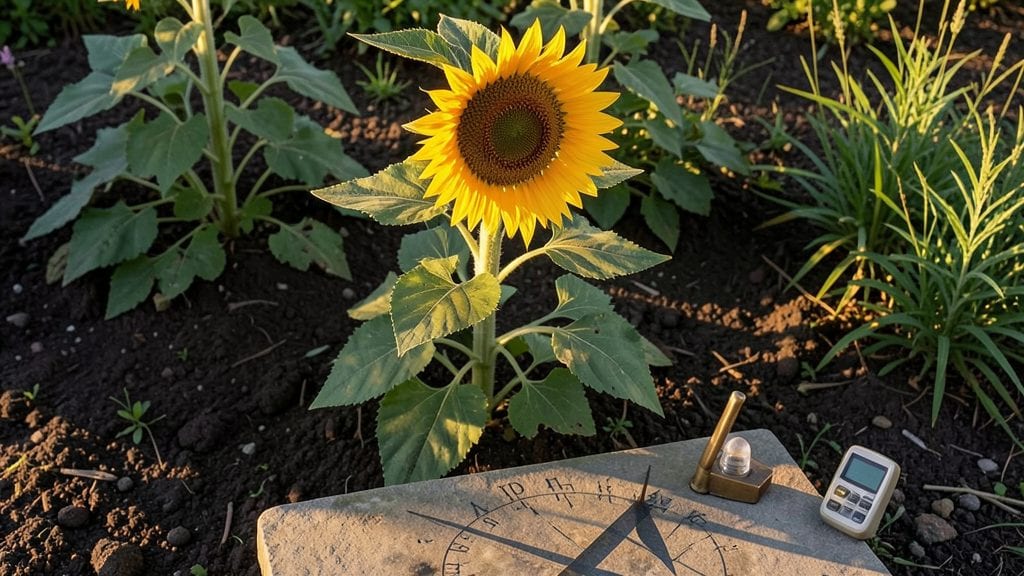
A garden needs 6 to 8 hours of sunlight daily to thrive, though some plants handle less while others crave more—getting it wrong can leave your 🌱 General Garden struggling even with perfect soil.
Struggling to keep your garden thriving? The secret might be simpler than you think—most plants fail not because of poor soil or pests, but because they’re getting the wrong amount of sunlight. Understanding your garden’s sunlight needs is the first step to a lush, productive space.
In Zone 6a, where spring planting kicks off in March, the sun’s arc shifts dramatically from month to month.
A spot that gets full sun in May might turn into partial shade by September, which is why knowing the exact hours your plants need—and how to adjust for seasonal changes—is a game-changer.
Below, I’ll break down the sunlight ranges for different plants, how to measure your garden’s light, and simple tricks to give your 🌱 General Garden the perfect glow—no guesswork required.


Sunlight requirements by plant type: full sun vs. partial shade vs. low light
If you’ve ever watched your tomatoes turn bitter or your hostas lose their vibrant color, you’re likely dealing with a sunlight mismatch. Most gardeners overlook this simple fact: 60-70% of plant health issues stem from incorrect light exposure.
Understanding the three sunlight zones—full sun, partial shade, and low light—will transform your garden from struggling to stunning.
Let’s break down what each zone means for your plants. Full sun typically refers to 6-8 hours of direct sunlight daily, while partial shade means 3-6 hours, and low light is anything under 3 hours.
Knowing these ranges helps you place the right plants in the right spots, ensuring they thrive instead of fight.
| Sunlight Zone | Hour Range | Ideal Plants | Avoid Plants |
|---|---|---|---|
| Full Sun | 6-8+ hours | Tomatoes, Lavender, Sunflowers, Peppers, Zinnias | Ferns, Calatheas, Impatiens |
| Partial Shade | 3-6 hours | Hostas, Astilbes, Begonias, Coleus, Hydrangeas | Cacti, Succulents, Rosemary |
| Low Light | Under 3 hours | Snake Plants, Pothos, Peace Lilies, Ferns, Cast Iron Plant | Citrus Trees, Basil, Marigolds |
For full sun lovers, think of your garden’s southern exposure as prime real estate. Plants like tomatoes and peppers demand this intensity to produce fruit, while lavender and rosemary thrive under these conditions.
Without enough light, they’ll stretch toward the sun, a condition called etiolation, leading to weak stems and poor yields.
In partial shade, your garden’s eastern or western edges or areas under dappled tree canopies become ideal spots. Here, hostas and hydrangeas flourish, their leaves staying lush and vibrant. Place these plants where they’ll get morning sun and afternoon shade—this balance prevents leaf scorch while keeping growth robust.
Low-light areas, often found in northern exposures or under dense foliage, are perfect for indoor plants like snake plants or pothos. These plants have evolved to survive with minimal light, making them ideal for shady corners or even office spaces.
However, avoid placing sun-loving succulents here—they’ll wilt or rot from too much moisture without adequate light.
One common mistake is assuming all shade is equal. Dappled shade (filtering sunlight through leaves) is gentler than dense shade (blocked by walls or buildings). For example, coleus thrives in dappled shade but may struggle in deep, dark corners.
Use a sunlight meter or observe your garden throughout the day to identify these nuances.
Seasonal changes also affect sunlight exposure. In summer, long days mean more intense light, while winter brings shorter, softer rays. Adjust your plant placements accordingly—move tender perennials to sunnier spots in winter or provide light shade cloth in summer to protect delicate foliage from scorching.
If your garden lacks natural sunlight, consider grow lights for indoor plants or reflective surfaces like white walls to bounce light around. Even a south-facing window can provide enough light for herbs like basil or leafy greens if positioned correctly.
The key is to match the plant’s needs to your garden’s conditions.
Start by auditing your garden’s sunlight. Spend a day noting which areas get direct sun, partial shade, or low light. Then, group plants accordingly—this simple step can double your garden’s success rate.
With the right placement, even challenging spots can become thriving havens for your favorite plants.
Remember, every plant has a sunlight sweet spot. By understanding these zones, you’re not just gardening—you’re creating an ecosystem where every plant can reach its full potential. 🌱☀️🌿
How to measure and adjust sunlight in your garden for maximum growth
Sunlight is the lifeblood of your garden, but not all plants need equal amounts. Too little sunlight leads to leggy, weak growth, while too much can scorch delicate foliage. The key is understanding how to measure your garden’s natural light and adjust it to match your plants’ needs.
Start by observing your space during different times of day—morning sun is gentler, while afternoon rays can be intense. I’ve learned the hard way that even a few hours of difference can mean the difference between a thriving tomato plant and a sad, wilted one!
Most gardeners rely on simple tools like sunlight calculators or even a DIY shade mapping technique. Place a white board or piece of paper in your garden at different spots and mark where shadows fall every hour.
This visual guide will reveal which areas get full sun, partial shade, or low light. For example, my north-facing bed only gets 3 hours of sunlight, while the south side bakes in 8+ hours.
Knowing this helps me place sun-loving peppers where they’ll thrive and shade-tolerant ferns where they won’t struggle.
- Full Sun: 6-8+ hours of direct sunlight daily. Ideal for tomatoes, peppers, lavender, and sunflowers. These plants need intense light to produce flowers, fruits, or robust growth.
- Partial Shade: 3-6 hours of sunlight, with dappled light or afternoon shade. Perfect for hostas, impatiens, and leafy greens like lettuce, which avoid scorching but still need some light.
- Low Light: Less than 3 hours of sunlight, often found under trees or in north-facing beds. Suitable for ferns, ivy, and shade-loving perennials like astilbe.
- Seasonal Adjustments: Summer sun is 20-30% stronger than spring/fall. What’s full sun in spring might become partial shade in summer due to longer daylight hours.
- Microclimates: Create them with reflective surfaces (like white mulch or light-colored walls) to redirect sunlight to shaded areas, or use trellises to elevate plants into better light.
Seasonal changes can drastically alter your garden’s sunlight exposure. In spring and fall, the sun arcs lower in the sky, casting longer shadows and reducing direct light. What feels like full sun in June might only qualify as partial shade in April.
I adjust my planting schedule accordingly—moving heat-sensitive basil to sunnier spots in summer and relocating delicate snapdragons to partial shade in peak heat. Even a 10-degree temperature shift can change how plants perceive light intensity, so flexibility is key!
If your garden lacks natural sunlight, don’t despair—there are clever ways to boost light exposure. Prune overhanging branches to let more light filter through, or install reflective surfaces like mirrors or white gravel to bounce sunlight into shaded corners.
I once turned a dim corner into a thriving herb garden by placing a south-facing window box just a few feet away, redirecting light with aluminum foil-lined boxes. For larger spaces, consider raised beds on wheels so you can rotate them to follow the sun’s path throughout the day.
Finally, monitor your plants’ reactions to sunlight. Yellowing leaves often signal too much sun, while stretched stems mean they’re reaching for more light. I keep a garden journal to track which plants thrive in which spots—this helps me fine-tune my layout year after year.
For instance, my roses now get exactly 6 hours of morning sun and afternoon shade, thanks to a strategic placement near a tall fence. Small adjustments make a big difference!
With the right tools and a little experimentation, you can turn even the trickiest garden into a sun-balanced paradise. Start small, observe closely, and don’t be afraid to rearrange—your plants will thank you with vibrant blooms, bountiful harvests, and lush foliage. Happy gardening! 🌱☀️