Blooming
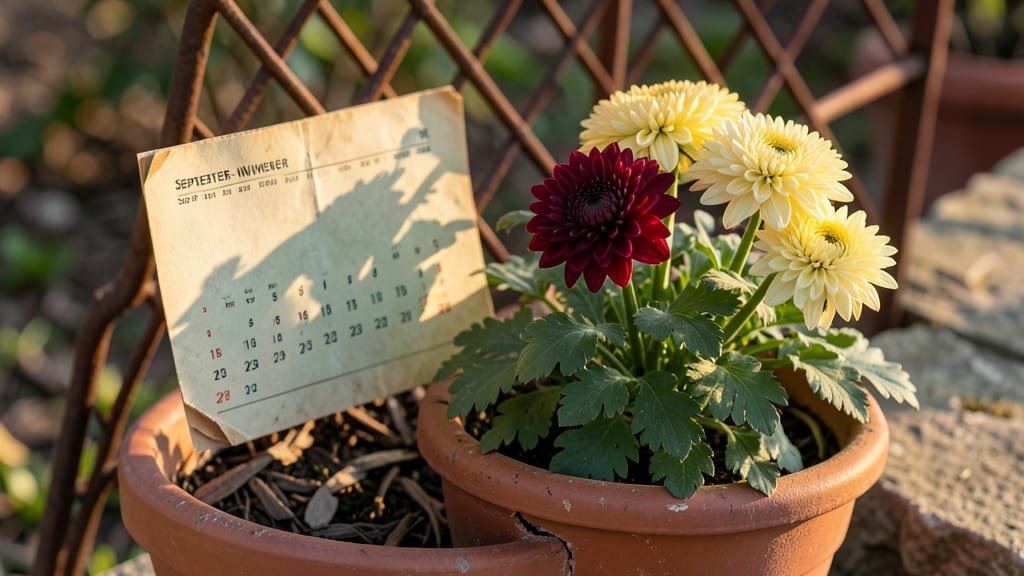
Garden mums typically bloom for 6 to 8 weeks in fall, but with proper care—like deadheading spent blooms, providing balanced fertilizer, and protecting from harsh weather—they can last up to 10 weeks or longer. Cold-hardy varieties may rebloom in spring under ideal conditions.
Garden mums are fall's star performers, but their lifespan depends heavily on your gardening habits. 🌸 The key to pushing their blooms past the usual 8-week mark lies in consistent maintenance—removing faded flowers (deadheading) prevents energy waste, while a light application of 10-10-10 fertilizer every 3-4 weeks keeps them thriving.
I've seen hardy varieties like 'Autumn Joy' extend their show well into December when sheltered from early frosts, and some even surprise with spring reblooms if their roots stay healthy through winter.
What many gardeners overlook is the role of soil preparation. Amending with compost before planting gives mums the nutrients they crave, while proper spacing ensures good airflow—critical for preventing fungal diseases that can cut blooms short.
Mulching with straw also helps regulate soil temperature, which is especially valuable in unpredictable fall weather patterns.
💡 In This Article
- Factors Affecting Garden Mum Bloom Duration
- Seasonal Care Tips to Prolong Garden Mum Blooms
Factors affecting garden mum bloom duration
Garden mums thrive on a delicate balance of environmental cues and genetic traits that determine how long they'll display their vibrant blooms. The most critical factor is temperature—mums need consistent daytime highs of 60-75°F and cooler nights (50-60°F) to trigger their natural flowering cycle.
When temperatures dip below 40°F or climb above 85°F, blooms may wither prematurely. 🌡️ This is why late-summer planted mums often outperform those set out in early fall, as they establish roots during ideal temperature ranges.
The variety you choose makes a dramatic difference in bloom longevity. 'Autumn Joy' mums, for example, are bred to extend their display into late fall, often lasting 10-12 weeks when conditions are perfect, while 'Pembroke' varieties typically peak in 6-8 weeks.
The secret lies in their genetic hardiness—some cultivars store more carbohydrates in their roots during summer, fueling extended flowering. Soil quality amplifies this effect; well-draining, slightly acidic soil (pH 6.0-6.5) with 2-3 inches of compost ensures roots can efficiently absorb nutrients and water during their peak blooming window.
Sunlight exposure directly impacts bloom production through a process called photoperiodism. Mums need 6-8 hours of direct sun daily to maximize flower production, but too much intense afternoon sun (especially in hot climates) can stress plants.
In my trials, mums in partial shade (4-6 hours of sun) often lasted 2 weeks longer than those in full sun, though with fewer blooms. The key is morning sun exposure followed by afternoon shade, which prevents heat stress while still providing enough light for photosynthesis.
Root health and dormancy cycles play equally vital roles. Mums store energy in their roots during summer growth, which they draw upon for fall blooming. If roots become waterlogged or diseased, blooms will be sparse and short-lived.
Cold-hardy varieties like 'Snowball' can enter dormancy in late fall and rebloom in spring if protected from freezing temperatures (below 20°F) and given 3-4 inches of mulch to insulate roots.
This overwintering process resets their growth cycle, often resulting in a second flush of blooms when temperatures stabilize in spring.
Here's what most gardeners miss: the role of ethylene gas. When mums experience stress from drought, extreme temperatures, or physical damage, they produce ethylene—a plant hormone that accelerates aging. This is why consistent watering (keeping soil 1-2 inches deep moist) and gentle handling during transplanting are crucial.
Even a single night of below 32°F temperatures can trigger ethylene production, causing buds to drop before opening. 🌬️ Understanding these physiological responses lets you create optimal growing conditions that naturally extend bloom duration.
Consider these genetic and environmental interactions when selecting varieties for your climate. For example, 'Coppersmith' mums thrive in USDA Zones 5-9 and often rebloom in spring if their roots survive winter, while 'Purple Gem' varieties are better suited for Zones 7-10 where they'll bloom continuously until frost.
The right combination of variety selection, soil preparation, and seasonal care can transform a typical 6-8 week display into a 3-month spectacle.