
Advice
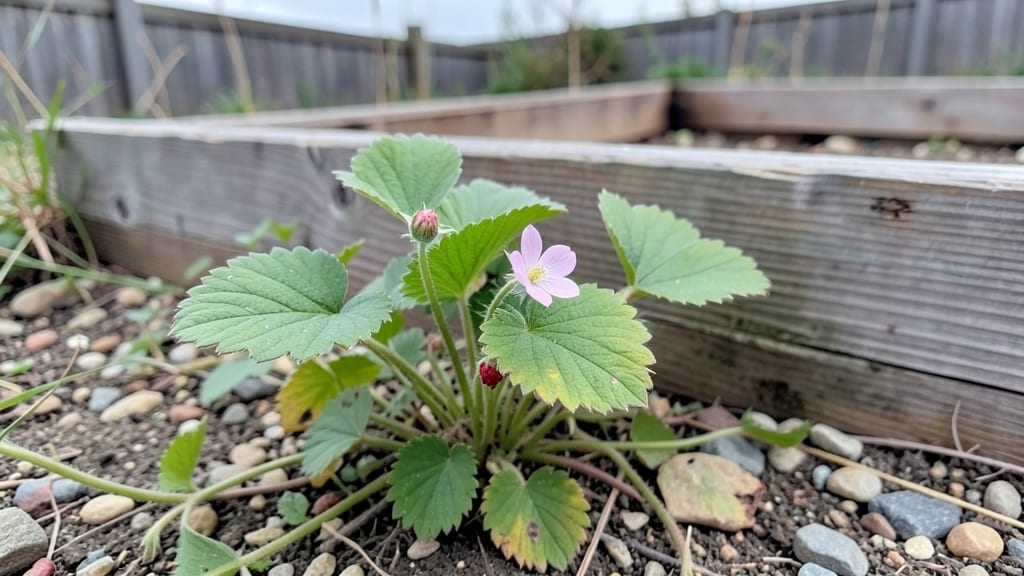
Gardening at high elevations means shorter seasons, cooler temps, and plants that refuse to cooperate—unless you adapt. I’ve learned the hard way that ignoring altitude is like planting in January: nothing grows like you expect.
The key lies in soil prep, plant choices, and watering tricks that work at 5,000 feet and beyond.
Start with soil that drains fast but holds moisture—think 50% compost, 30% native soil, and 20% perlite to prevent soggy roots. Choose cold-hardy varieties like potatoes, kale, and hardy peas, and plant 2-3 weeks later than your lowland neighbors.
Wind? Use windbreaks or mound soil around young plants to protect them.
Watering becomes an art: deep but infrequent—think 1-2 inches per week—because evaporation happens faster. Mulch heavily to lock in heat, and watch for frost pockets in valleys or low spots. With these tweaks, you’ll see lush growth where others see failure.
Microclimates matter—south-facing slopes warm faster, while north sides stay cooler. Adjust planting dates based on your last frost date (check local records) and protect tender plants with row covers if nights dip below 25°F. The payoff? A garden that thrives when others freeze.
📚 In This Guide
- What you need
- Instructions
- Tips and common mistakes
- Wrapping up and next steps
What you need
- ● High-quality soil: 10+ cubic yards of well-draining, organic-rich soil (amend with compost or peat moss to improve water retention).
- ● Mulch: 2–3 inches of straw, wood chips, or pine needles (helps retain moisture and regulate soil temp).
- ● Slow-release fertilizer: Balanced 10-10-10 or organic options like fish emulsion or compost tea (apply at planting + mid-season).
- ● Plant containers: If gardening in pots, use large, dark-colored containers (10+ gallons) with drainage holes (e.g., fabric grow bags or ceramic pots).
- ● Drip irrigation or soaker hoses: Low-flow systems to prevent water runoff (high elevations = faster evaporation!).
- ● Garden gloves: Heavy-duty, waterproof gloves (thin air + sharp tools = protection!).
- ● Pruners: Bypass pruners (sharp and clean cuts heal faster).
- ● Hand trowel: Stainless steel or aluminum (rust-resistant for alpine climates).
- ● Wheelbarrow: Lightweight, 2–3 cubic feet for hauling soil/amendments (hills make carrying heavy loads tough!).
- ● pH test kit: High elevations often have alkaline soil—adjust with sulfur or peat moss as needed.
- ● Cold frames or row covers: Frost blankets or plastic tunnels to extend the growing season (critical for short summers!).
- ● Shade cloth: 30–50% coverage to protect plants from intense UV rays (high elevations = more sunburn risk!).
- ● Windbreaks: Tall plants (e.g., corn, sunflowers) or burlap screens to shield gardens from drying winds.
- ● Thermometer/hygrometer: Monitor soil and air temps (aim for 50–85°F for most veggies).
- ● Automatic watering timer for drip systems (prevents over/under-watering).
- ● Soil moisture sensors (high elevations dry out fast—don’t guess!).
- ● Raised beds with insulated bottoms (warms soil faster in cool climates).
- ● Seedling heat mat (50–70°F) for starting cold-sensitive plants indoors.
- ● Compost bin with thermometer to track decomposition speed (cooler climates = slower breakdown).
Instructions for high-elevation gardening success
Here’s how to adapt your gardening approach for cooler climates and shorter growing seasons.
Extend the Growing Season Strategically
High elevations demand creative timing. Start seeds indoors 6-8 weeks before your last frost date—earlier than lower elevations—to compensate for the shorter outdoor season. Use black plastic mulch or row covers to warm soil and protect young plants from late frosts. I’ve found that transplanting after soil reaches 50°F ensures roots establish before cooler nights set in.
If your elevation exceeds 5,000 feet, consider a cold frame or low tunnel to extend harvests into fall. These structures trap heat during the day and insulate at night, buying you 2-4 extra weeks of growing time. Monitor soil temperatures with a soil thermometer—roots struggle below 45°F for most vegetables.
Select Cold-Hardy Varieties and Adjust Spacing
Not all plants thrive at altitude. Opt for short-season varieties labeled for your hardiness zone, like ‘Early Girl’ tomatoes or ‘Green Mountain’ peas, which mature in 50-60 days. Avoid heat-loving crops like sweet corn or okra unless you’re below 4,000 feet. I’ve had the best luck with leafy greens, root vegetables, and brassicas, which tolerate cooler temps.
Space plants 10-15% farther apart than recommended—cooler air holds less moisture, slowing growth. For example, if seed packets suggest 12 inches between tomato plants, stretch that to 14 inches. This prevents crowding, which worsens in high humidity or after rain. Mulch heavily with straw or wood chips to insulate roots and retain moisture.
Optimize Watering for Thin Mountain Air
High elevations mean lower humidity and faster evaporation. Water deeply every 2-3 days in dry spells, focusing on soil moisture at 2-3 inches deep. A drip irrigation system or soaker hose delivers water directly to roots, reducing waste from wind or runoff. I test moisture by sticking my finger into the soil—if it feels dry past 1 inch, it’s time to water.
Avoid overhead watering after dark to prevent fungal diseases like powdery mildew, which thrives in cooler, damp conditions. If you must water in the evening, use a rain gauge to measure ½ inch per week—most high-elevation gardens need 20-30% more water than sea-level counterparts. Early morning is ideal for minimizing evaporation.
Protect Plants from Harsh Conditions
Wind and intense sunlight at altitude can scorch tender foliage. Install windbreaks made of bamboo fencing or shrubs on the north and west sides of garden beds. For delicate crops like lettuce or spinach, use shade cloth (30-50%) during peak afternoon sun to prevent bolting. I’ve seen seedlings crisp in just 2 hours of unshielded exposure above 6,000 feet.
Monitor for hail and late frosts by covering plants with frost blankets when temperatures dip below 28°F. Even hardy crops like kale or cabbage can suffer damage if left exposed. A thermometer placed at plant height helps predict frost risk—if it drops to 32°F, act fast. For container gardens, move pots to a sheltered spot or indoors overnight.
Fertilize for Nutrient Uptake in Cool Soils
Cooler soils slow microbial activity, reducing nutrient availability. Use a slow-release fertilizer like 10-10-10 at planting, followed by a side-dressing of compost mid-season. I’ve found that fish emulsion or seaweed extract boosts root growth in high-altitude gardens, where nutrients leach faster due to frequent rain. Avoid high-nitrogen fertilizers late in the season—they encourage tender growth vulnerable to frost.
Test soil pH annually—high elevations often have acidic or alkaline soils that lock out nutrients. Aim for 6.0-7.0 by amending with lime (to raise pH) or sulfur (to lower it). Organic matter like composted manure or leaf mold improves soil structure, helping roots access moisture and nutrients more efficiently. Reapply 2-3 inches of compost every spring to maintain fertility.
Tips & tricks for high-elevation gardening success
Mastering high-elevation gardening isn't about luck—it's about understanding how altitude alters every gardening variable. These battle-tested strategies will help you overcome the unique challenges of thin air and cooler temperatures.
Soil Temperature is Everything: The 50°F soil temperature threshold mentioned in Step 1 isn't just a suggestion—it's a biological necessity. Roots below 45°F struggle to absorb water and nutrients efficiently, which is why I always verify soil temps with a thermometer before transplanting. For cold-sensitive crops like tomatoes, wait until morning soil temps consistently reach 55°F to ensure root establishment. Pro tip: Place your thermometer at the depth where most roots will grow (typically 2-3 inches down) rather than just skimming the surface.
Windbreaks Work Double Duty: While Step 4 emphasizes windbreaks for protection, their benefits extend beyond just shielding plants. Strategic placement on the north and west sides creates microclimates that can raise soil temperatures by 5-10°F during the day. I've seen windbreaks made from evergreen shrubs actually extend the growing season by 10-14 days in exposed areas. For maximum effectiveness, position them to block prevailing winds while allowing sunlight to reach plants. The ideal height should be at least twice the height of your tallest plants.
Watering Precision Matters More at Altitude: The 2-3 day watering interval in Step 3 can vary dramatically based on elevation. At 5,000 feet, I've found that most gardens actually need water every 2 days, while above 7,000 feet, daily watering may be necessary during dry spells. The key is checking soil moisture at 2-3 inches deep—this is where plant roots actively seek water. A simple moisture meter costs less than $20 and eliminates the guesswork. Remember that high-elevation soils often have poor water retention, so mulching with 3-4 inches of straw or wood chips can reduce evaporation by up to 40%.
Frost Protection Beyond Blankets: While frost blankets are essential when temps drop below 28°F, there are additional tactics worth implementing. I've had success using "frost cloth" (a lighter, more breathable alternative) for crops that need to harden off gradually. For container gardens, consider using "frost-proof" pots with built-in insulation—these can protect roots from freezing even when air temps drop to 20°F. Another clever trick is to place containers on bricks or cinder blocks rather than directly on soil, which can radiate cold back up to the plants overnight.
Pro Tips for High Elevation Gardening
- Mastering high-elevation gardening isn't about luck—it's about understanding how altitude alters every gardening variable.
- Soil Temperature is Everything: The 50°F soil temperature threshold mentioned in Step 1 isn't just a suggestion—it's a biological necessity.
- Windbreaks Work Double Duty: While Step 4 emphasizes windbreaks for protection, their benefits extend beyond just shielding plants.
Frequently asked questions
Got questions about high-elevation gardening?
You’re not alone—altitude brings unique challenges! Here are answers to the most common queries to help you grow a thriving garden at higher elevations.
What plants thrive best in high-elevation gardens?
Opt for hardy, cold-tolerant varieties like potatoes, barley, and alpine flowers (e.g., penstemon or columbine). Leafy greens (spinach, kale) and root vegetables (carrots, beets) also perform well. Avoid heat-loving crops like tomatoes or peppers unless you extend the season with row covers.
How does altitude affect planting and harvesting times?
Cooler temps delay growth, so start seeds indoors 4–6 weeks earlier than lowland guides suggest. Use frost-free date calculators adjusted for your elevation (e.g., 1,000 ft = ~5°F cooler). Harvest times may stretch—monitor plant maturity closely!
Do I need to adjust watering in high-elevation gardens?
Yes! Soil drains faster and evaporates quicker at altitude. Water deeply 2–3 times per week (vs. daily) and mulch heavily to retain moisture. Drip irrigation or soaker hoses work best to prevent runoff.
Can I grow vegetables in high elevations without a greenhouse?
Use cold frames, row covers, or black plastic mulch to warm soil and extend seasons. Choose fast-maturing varieties (e.g., bush beans, radishes) and plant in south-facing, sheltered spots for extra warmth.
Why are my high-altitude plants struggling? Troubleshooting tips.
Yellow leaves? Likely nutrient deficiency (try iron or magnesium). Stunted growth? Could be cold soil—add compost or use heat mats. Bolting flowers? Plant heat-tolerant varieties or use shade cloth. Always check soil pH (aim for 6.0–7.0)!
Wrapping up and next steps
High-elevation gardening may seem challenging, but with the right altitude-smart techniques, you can grow a thriving garden that defies the odds! 🌱 From selecting hardy plants to mastering soil prep and watering strategies, every step is a chance to connect with nature—even at 5,000 feet or higher.
Remember, patience and adaptability are your greatest tools.
Ready to turn your high-altitude space into a lush oasis? Start small—pick one plant or section to experiment with this season. Track your progress, learn from each harvest, and soon, you’ll be reaping the rewards of your high-flying green thumb! 🚀